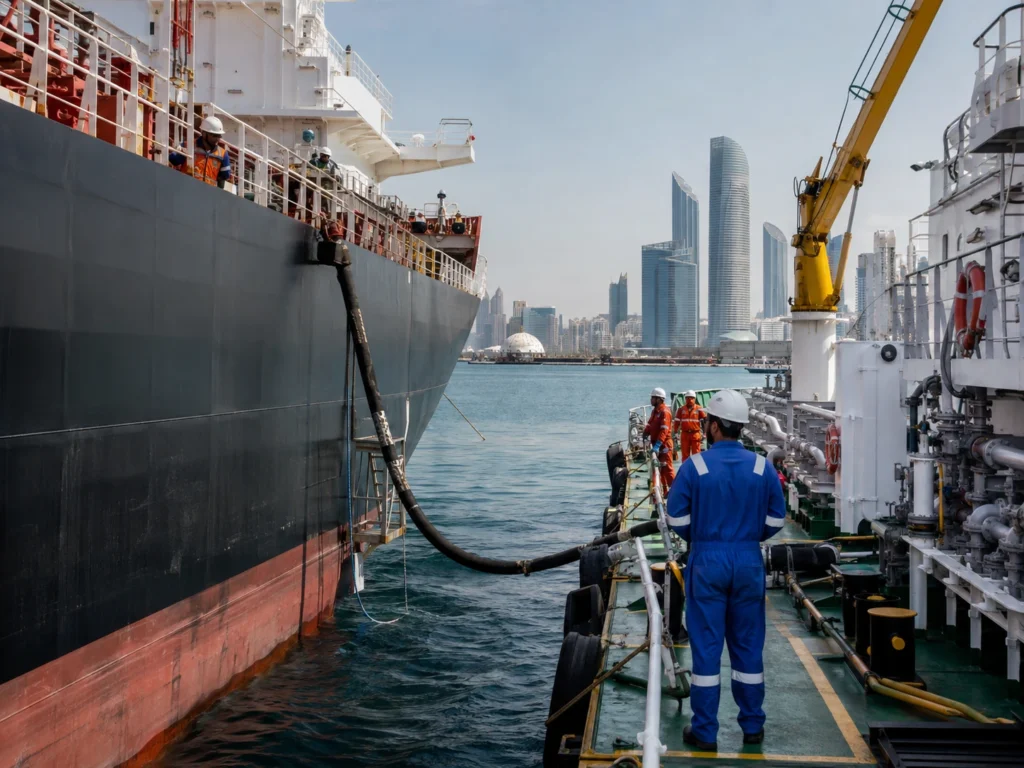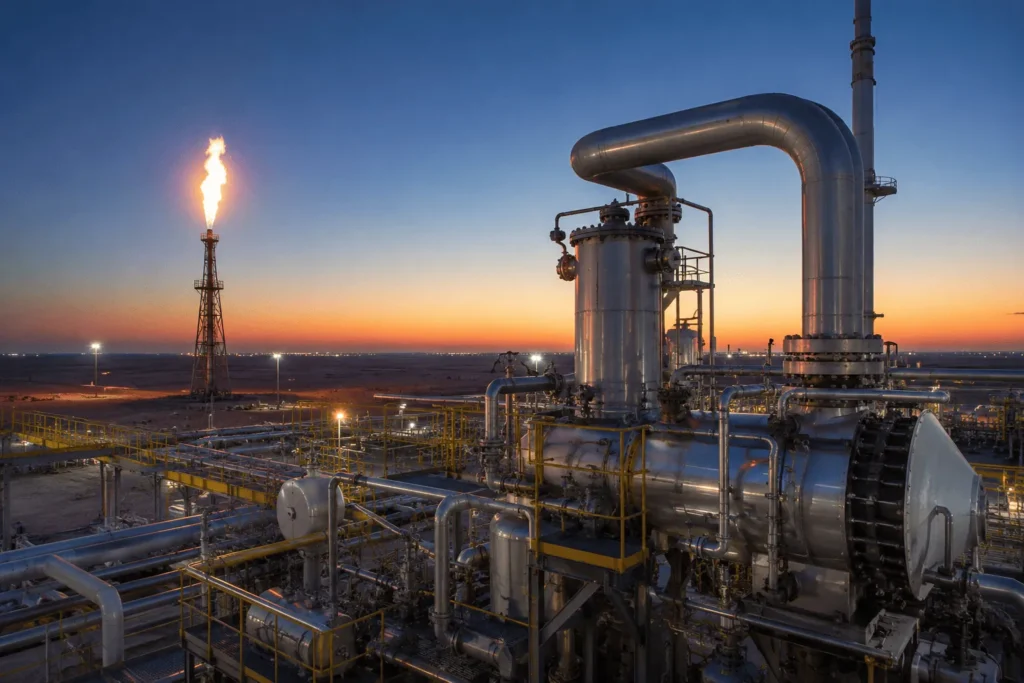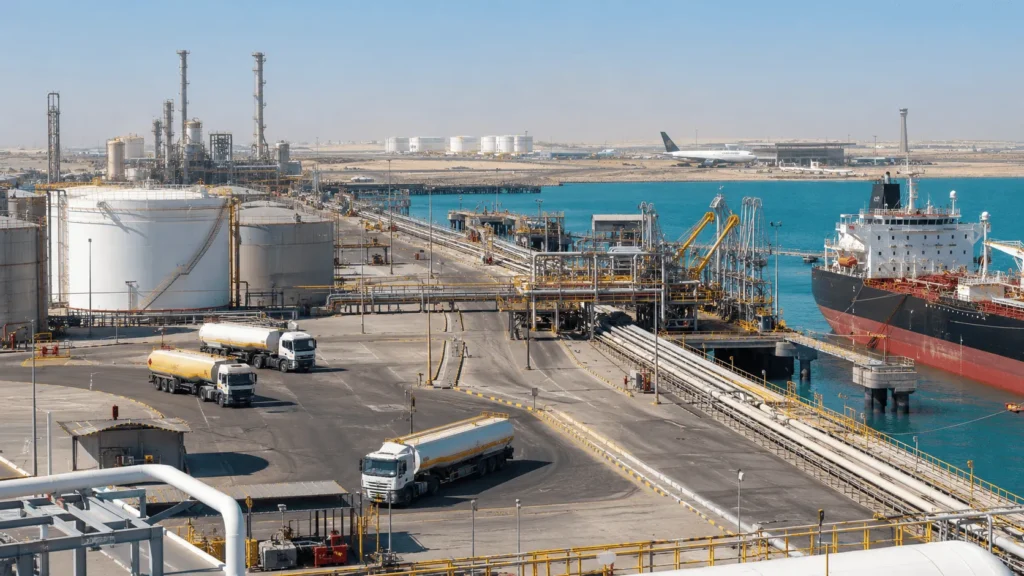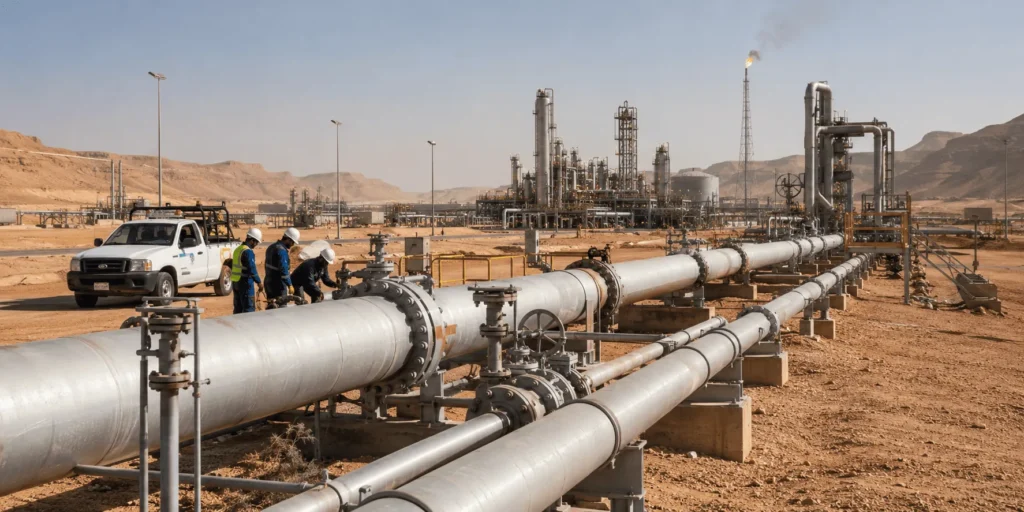


Designing an oil and LPG storage terminal is not limited to selecting tank capacity or determining the number of storage units. Product characteristics, transfer requirements, safety conditions, operating processes and future expansion plans must all be considered before defining the final design.
Two terminals with similar storage capacity may require completely different designs due to differences in product type, supply method, loading frequency and operational requirements.
A successful storage terminal integrates tanks, pipelines, pumps, loading systems, measurement equipment, fire protection systems and control facilities into one coordinated operation.
Aras Energy supports energy infrastructure projects by considering product requirements, site conditions and operational needs when developing storage and terminal solutions.
Storage Terminal Design Starts With Product Requirements
Before selecting tanks and equipment, it is necessary to understand what product will be stored, how much volume is required and how the product will be handled.
Crude oil, diesel, fuel oil, aviation fuel and LPG do not behave in the same way inside storage facilities. Vapour pressure, flash point, viscosity, volatility, corrosion characteristics and temperature requirements can directly influence equipment selection.
The design process should answer important questions:
- How much product will be received and dispatched daily?
- Will supply arrive by vessel, pipeline or road transport?
- How many different products need separate storage?
- What operational storage period is required?
- Is future expansion expected?
These decisions influence tank capacity, pipeline sizing, pumping systems and overall terminal layout.
Oil and LPG Storage Tanks Require Different Designs
Oil products and LPG require different storage approaches because of their physical properties.
Most oil storage tanks operate close to atmospheric pressure, while LPG must usually be stored under pressure or at controlled low temperatures to remain in liquid form.
| Storage Type | Common Application | Main Design Consideration |
| Fixed roof tanks | Diesel, fuel oil and lower volatility products | Vapour control, ventilation and corrosion protection |
| Floating roof tanks | Crude oil and more volatile liquid products | Reducing vapour space and product losses |
| Pressurized horizontal tanks | LPG storage in smaller or medium facilities | Pressure design, safety distance and protection systems |
| Spherical tanks | Larger LPG storage facilities | Stress distribution, maintenance access and fire protection |
| Refrigerated LPG tanks | Large-scale LPG storage projects | Insulation, refrigeration and vapour management |
Tank selection should be based on product characteristics and operating conditions, not only initial construction cost.
Designing Oil Storage Tanks
For oil storage facilities, tank configuration is one of the main design decisions.
Fixed roof tanks are commonly used for products with lower volatility. For more volatile products, floating roof systems can reduce vapour formation and product losses.
Tank walls, roofs and foundations must be designed to withstand operational loads, product weight, environmental conditions and potential settlement.
Important design factors include:
- Material selection
- Tank thickness
- Welding requirements
- Inspection procedures
- Corrosion protection
- Foundation conditions
For heavier petroleum products, heating systems may be required. If the product temperature decreases, viscosity can increase and make pumping or transfer more difficult.
Designing LPG Storage Systems
LPG is a highly volatile and flammable product that is commonly stored as a liquid under pressure.
Because uncontrolled release can quickly create a flammable vapour cloud, LPG storage requires specific safety considerations.
LPG tanks are designed with:
- Pressure-rated construction
- Pressure relief valves
- Level and pressure monitoring
- Emergency shutdown systems
- Leak detection equipment
The location of LPG tanks must consider fire exposure risks, emergency access, prevailing wind direction, nearby facilities and loading areas.
For larger projects, refrigerated LPG storage may provide advantages compared with multiple pressurized tanks. However, it requires additional systems for refrigeration, insulation and vapour management.
Terminal Layout Should Follow the Operational Flow
A well-designed terminal layout should create a clear and controlled product movement path.
Product typically moves from the receiving point through pipelines and pumps into storage tanks, and then toward loading facilities or distribution systems.
Poor layout decisions can increase operational complexity, create unnecessary risks and limit future expansion.
The terminal layout should consider:
- Maintenance access
- Emergency vehicle movement
- Fire protection coverage
- Future expansion areas
- Safe personnel movement
- Separation between operational and administrative areas
Control rooms, workshops and offices should be positioned based on safety and operational requirements rather than only available space.
Product Separation and Contamination Control
Terminals storing multiple petroleum products must prevent unintended mixing.
Even a small amount of one product entering another tank can affect quality specifications, especially for sensitive products such as aviation fuel or different fuel grades.
Where dedicated pipelines are not practical, strict procedures should define:
- Product transfer sequence
- Line flushing requirements
- Valve identification
- Route verification before transfer
- Sampling procedures
Quality control during receiving, storage and dispatch is an essential part of terminal operations.
Tank Overfill Protection
Overfilling is one of the major operational risks in storage terminals.
It can occur because of incorrect level measurement, wrong tank selection, valve errors, instrument failure or continuing transfer after reaching the safe limit.
A reliable overfill protection system should not depend only on normal level indication.
Storage tanks should have clearly defined operating limits, including:
- Normal operating level
- High-level warning
- High-high level protection
- Maximum safe filling limit
Before receiving product, operators should confirm available tank capacity, product routing and transfer conditions.
Spill Containment and Leak Management
Oil storage tanks require containment systems to limit the spread of released product.
A containment area is not only a surrounding wall. Its capacity, drainage design, surface condition and outlet control must be suitable for potential spill scenarios.
Collected rainwater should be evaluated before discharge because it may contain petroleum contamination.
LPG leak management requires a different approach. Released LPG can quickly vaporize and may collect in low areas where ignition risks increase.
Terminal design should prevent vapour movement toward buildings, ignition sources or restricted areas.
Tank Venting and Pressure Control
Changes in product level, temperature and evaporation can affect pressure inside storage tanks.
Without proper pressure and vacuum protection, tanks may experience structural damage.
Oil storage tanks typically require suitable venting systems, while LPG facilities require pressure relief systems capable of handling defined emergency scenarios.
Pressure release equipment must be positioned to prevent discharged vapours from creating additional risks for personnel and equipment.
Fire Protection in Storage Terminals
Fire safety is not only about installing firefighting equipment. It requires a complete protection strategy based on realistic operational scenarios.
The required protection level depends on:
- Product type
- Tank capacity
- Tank arrangement
- Loading operations
- Potential fire scenarios
Fire protection systems may include:
- Fire water networks
- Pumps
- Foam systems
- Cooling systems
- Emergency response equipment
However, prevention remains essential. Controlling ignition sources, grounding systems, lightning protection and proper electrical equipment selection are critical parts of terminal safety.
Loading and Unloading Operations
Loading areas are among the most active parts of a storage terminal and require careful operational control.
The design should simplify:
- Vehicle access
- Product identification
- Correct connection procedures
- Transfer monitoring
- Emergency shutdown
Before loading begins, operators should verify grounding, product route, equipment condition and transfer parameters.
In multi-product terminals, the design should minimize the possibility of loading the wrong product or connecting to the wrong system.
Inventory Measurement and Product Transfer Control
Accurate measurement is important for inventory management, commercial transactions and product transfer.
Measurement systems should monitor relevant parameters such as:
- Product level
- Temperature
- Volume
- Density where required
Calibration and verification of measurement equipment are essential for reliable reporting.
Differences between received quantity, stored inventory and dispatched volume may result from temperature changes, measurement errors, pipeline retention or operational losses.
A good system should help identify and manage these differences.
Control Systems and Automation
The control room should provide operators with a clear view of tank levels, pumps, valves, pipeline conditions and ongoing operations.
More alarms do not necessarily mean better safety. Alarm systems should be prioritized so operators can quickly identify critical conditions.
Emergency shutdown systems should be designed according to project risks and tested regularly.
A safety system that is not maintained or tested may not provide reliable protection when needed.
Safe Terminal Operations
Good design must be supported by clear operating procedures.
Procedures should cover:
- Product receiving
- Tank transfer
- Loading operations
- Sampling
- Maintenance activities
- Emergency response
Shift handover is also important. The next operator should understand current tank status, active transfers, equipment conditions and any operational limitations.
Temporary changes, bypasses or disabled safety systems should be carefully controlled to prevent reducing the designed protection level.
Inspection and Maintenance During Terminal Operation
After commissioning, storage terminals enter the longest stage of their lifecycle: operation.
Over time, issues such as corrosion, foundation settlement, equipment wear and pipeline deterioration can affect reliability.
Inspection programs should consider:
- Tank type
- Stored product
- Environmental conditions
- Operating history
Safety equipment, measurement systems, pressure relief devices and firefighting systems should also be included in maintenance programs.
Preventive maintenance helps avoid unexpected shutdowns and operational disruptions.
Emergency Preparedness
Emergency plans should be based on realistic terminal scenarios.
Potential events may include:
- Product leakage
- Tank fire
- Overfill incidents
- Power failure
- Pump failure
- LPG release
- Loading area accidents
Personnel should understand when to stop operations, how to respond and how to communicate with emergency teams.
Regular drills help verify that procedures, communication systems and emergency equipment are effective.
Oil and LPG Storage Terminal Solutions by Aras Energy
Aras Energy provides energy infrastructure solutions related to oil storage terminals and LPG facilities.
Terminal design requires more than selecting storage capacity. Product characteristics, supply routes, transfer requirements, site conditions, operational processes and future expansion plans must all be considered.
The objective is to create storage facilities that allow safe receiving, storage, measurement and distribution of energy products through reliable operational systems.
Evaluate an Oil or LPG Storage Project
Before selecting tank type and capacity, project requirements, product specifications, logistics model and operational objectives should be clearly defined.
Contact Aras Energy to discuss oil and LPG storage terminal design, infrastructure solutions and energy project requirements in the UAE and regional markets.
Frequently Asked Questions
What is the main difference between oil tanks and LPG tanks?
Oil tanks usually operate near atmospheric pressure, while LPG requires pressurized or refrigerated storage because of its physical properties.
Are floating roof tanks suitable for all petroleum products?
No. Tank design depends on product volatility, operational requirements and storage conditions.
Why is independent overfill protection important?
Because normal measurement systems can fail or human errors can occur. Additional protection helps prevent dangerous overfilling situations.
Can oil and LPG be stored in the same terminal?
Yes, but the layout, safety systems, separation distances and operational procedures must be designed according to the different risks of each product.
What determines the real capacity of a storage terminal?
Capacity depends not only on tank volume, but also on pipelines, pumps, loading systems, receiving schedules and operational limitations.
When should tank inspection planning begin?
Inspection planning should begin during the design and construction stage. Initial condition records are important for future maintenance decisions.