

The supply of petroleum products is a key part of the energy and industrial sectors across the Middle East. Products such as diesel, gasoline, jet fuel, and marine fuel support a wide range of industries, from transportation and logistics to aviation, shipping, and large-scale industrial projects.
In this market, supply is not only about product availability. Factors such as quality control, logistics, pricing, storage, and supplier reliability all play an important role in ensuring operational continuity and cost efficiency.
Which Petroleum Products Are Commonly Supplied in the Middle East?
The petroleum products market includes a variety of fuels and refined products, each serving different industries and operational requirements.
The most commonly traded and supplied products include:
- Industrial and transportation diesel
- Gasoline
- Jet fuel
- Marine fuel
- LPG and liquefied gases
- Other refined petroleum products
Each product has its own specifications, quality standards, transportation requirements, and customer base.
How Does the Petroleum Supply Chain Work?
The supply chain for petroleum products typically involves multiple stakeholders, from refineries and producers to trading companies, logistics providers, and end users.
A typical supply process includes:
- Production or refining
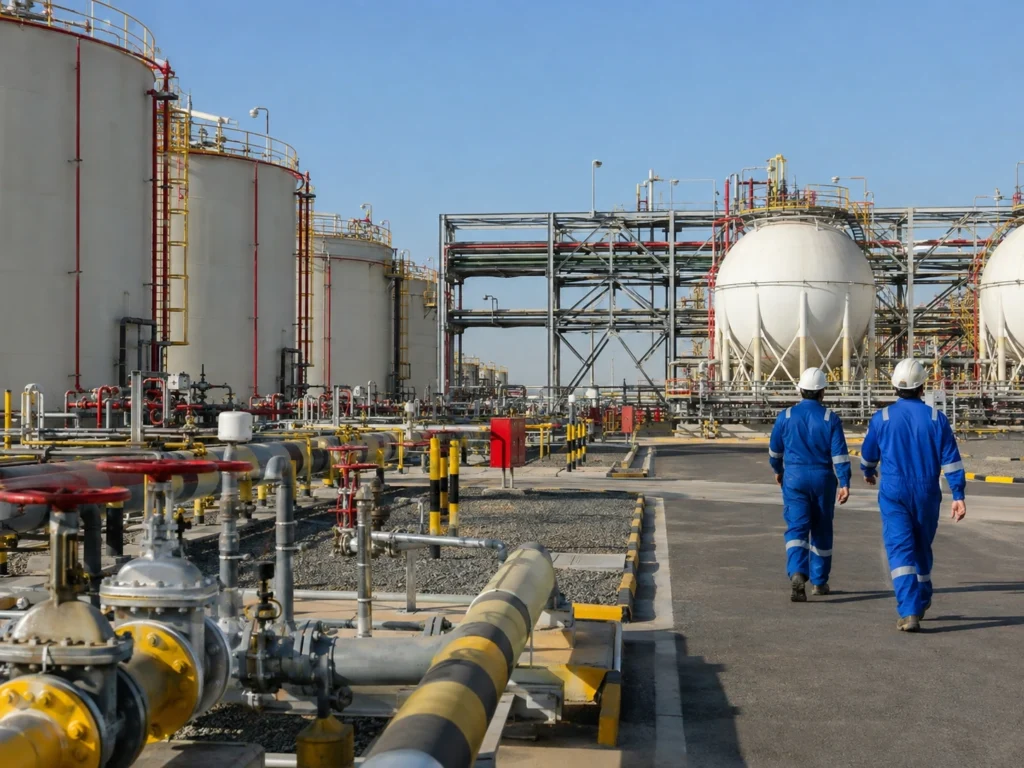
- Storage and inventory management
- Commercial agreements and contracts
- Transportation and logistics
- Delivery to the end customer
Successful supply operations require coordination between all stages to ensure products are delivered safely, efficiently, and on time.
Understanding the Differences Between Diesel,Gasoline,Jet Fuel, and Marine Fuel
Although these products all originate from refining processes, their applications and supply requirements are significantly different.
Diesel is widely used in industrial projects, generators, heavy equipment, and transportation fleets, making supply reliability a major concern.
Gasoline is primarily distributed through retail and transportation networks and is closely linked to environmental and fuel quality regulations.
Jet fuel requires strict quality control and compliance with aviation standards, as safety and consistency are critical in air transport operations.
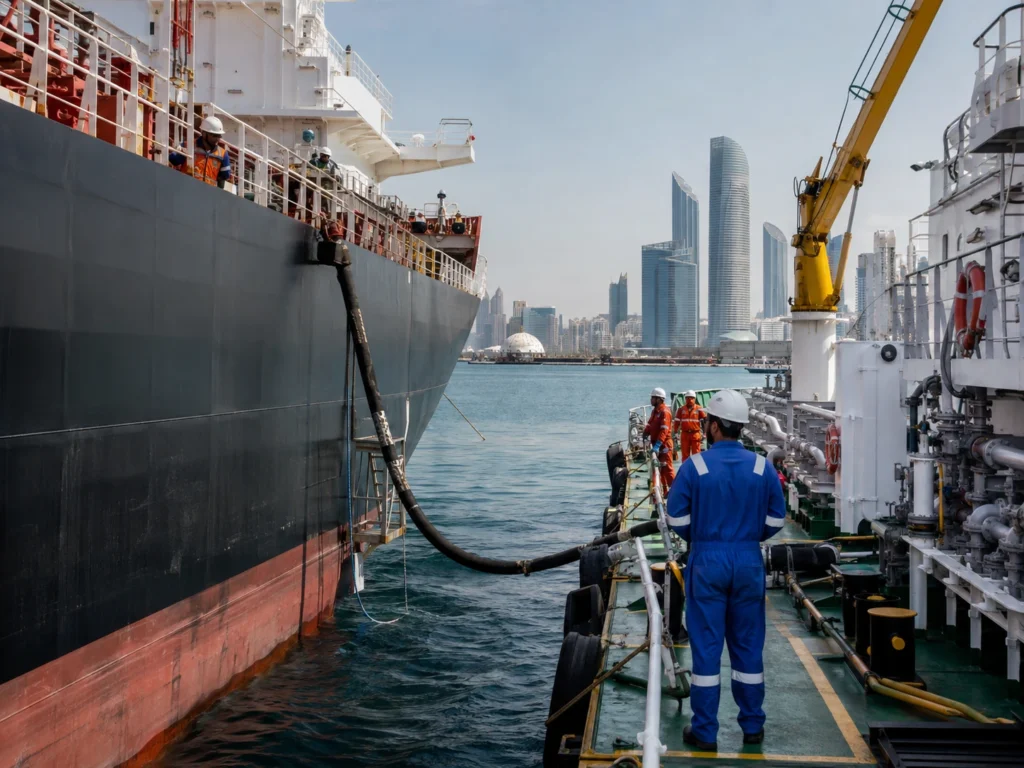
Marine fuel is supplied mainly through ports and shipping hubs, where timely delivery and large-volume logistics are essential.
Because of these differences, contract structures, storage methods, and quality assurance processes vary from one product to another.
The Role of Logistics in Petroleum Product Supply
Logistics is one of the most important elements of the petroleum supply chain. Even when products are available, inefficient transportation can create delays and operational challenges.
Petroleum logistics may involve:
- Road tanker transportation
- Pipeline networks
- Marine transportation between ports
- Regional storage facilities
- Cross-border coordination
For industrial consumers and large projects, reliable logistics are often as important as the fuel itself.
Why Product Quality Matters
Fuel quality has a direct impact on operational performance, equipment reliability, and maintenance costs. In sectors such as aviation, shipping, and power generation, meeting quality standards is essential.
Poor-quality fuel can lead to:
- Increased equipment wear
- Reduced efficiency
- Engine or system damage
- Higher maintenance costs
- Operational disruptions
For this reason, quality control and product testing are key parts of the supply process.
Common Contract Models in Petroleum Supply
The type of supply agreement often depends on consumption patterns, project duration, and operational requirements.
Common contract structures include:
- Spot purchase agreements
- Long-term supply contracts
- Volume-based supply agreements
- Project-specific delivery contracts
Long-term agreements typically provide greater supply stability, while spot purchases offer more flexibility in changing market conditions.
Key Risks in Petroleum Product Supply
Despite its scale and maturity, the petroleum products market is exposed to several commercial and operational risks.
The most common risks include:
- Oil price volatility
- Transportation delays
- Product quality disputes
- Documentation and contractual issues
- Regulatory and trade restrictions
- Logistics disruptions
Managing these risks requires strong planning, clear contracts, and experienced supply partners.
Why Supplier Selection Matters
Choosing a petroleum products supplier is more than a procurement decision. The supplier directly affects supply reliability, quality, delivery performance, and operational continuity.
A reliable supplier should offer:
- Stable product availability
- Consistent quality standards
- Strong logistics capabilities
- Regional market experience
- Ability to manage commercial agreements effectively
In many projects, supplier performance can have a significant impact on overall project success.
Petroleum Product Supply as an Integrated Process
Petroleum product supply involves much more than buying and selling fuel. It is an integrated process that combines production, storage, logistics, quality control, contract management, and delivery.
Companies that manage these elements effectively are generally better positioned to reduce risk, improve efficiency, and maintain stable operations across energy and industrial projects.
Frequently Asked Questions
What are the main petroleum products supplied in the Middle East?
Diesel, gasoline, jet fuel, marine fuel, LPG, and other refined petroleum products are among the most commonly supplied products.
Why is logistics important in petroleum product supply?
Because transportation and delivery efficiency directly affect supply reliability and operational continuity.
How is jet fuel different from diesel?
Jet fuel is produced and controlled according to strict aviation standards, while diesel is mainly used in industrial equipment, generators, and transportation fleets.
What are the biggest risks in petroleum product supply?
Price volatility, delivery delays, quality issues, contractual disputes, and logistics disruptions are among the most common risks.
Why is supplier selection important?
Because supplier reliability directly affects fuel quality, delivery schedules, operational stability, and project performance.