

Pipeline systems are among the most important infrastructures in the oil and gas industry. They play a direct role in the safe and continuous transportation of crude oil, natural gas, and petroleum products. In large-scale projects, pipelines are more than just transportation routes; they are a critical part of the project’s operational and economic framework.
A successful pipeline project starts with proper planning. Route selection, fluid characteristics, operating conditions, and safety requirements must all be considered from the beginning. Even small mistakes during the design or construction phase can lead to costly repairs, operational disruptions, or safety risks later on.
The Role of Pipelines in Oil and Gas Projects
Pipelines are used to transport oil, gas, and petroleum products from production sites to refineries, storage facilities, processing plants, or distribution networks. The goal is to move these resources efficiently, safely, and with minimal operational interruptions.
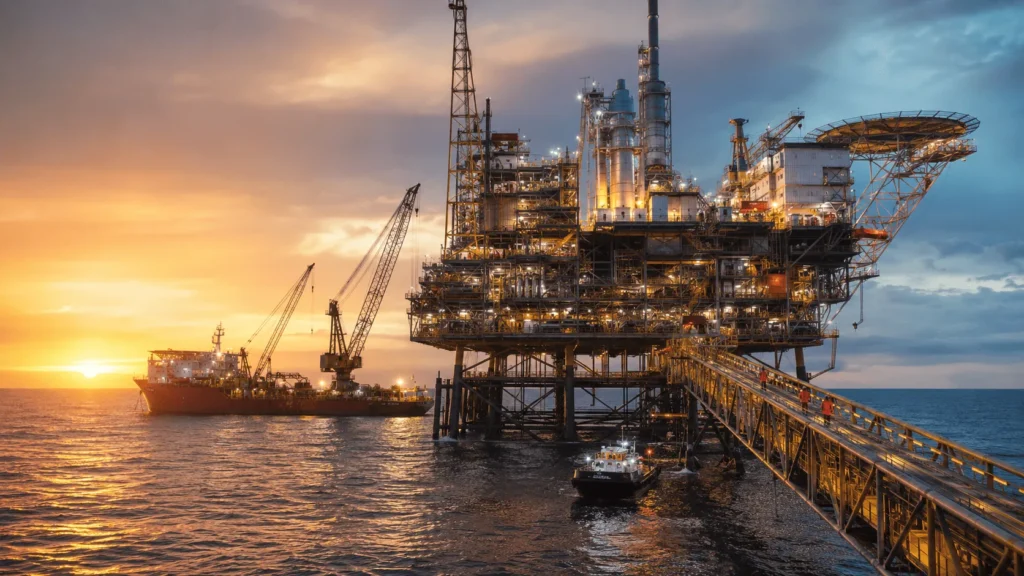
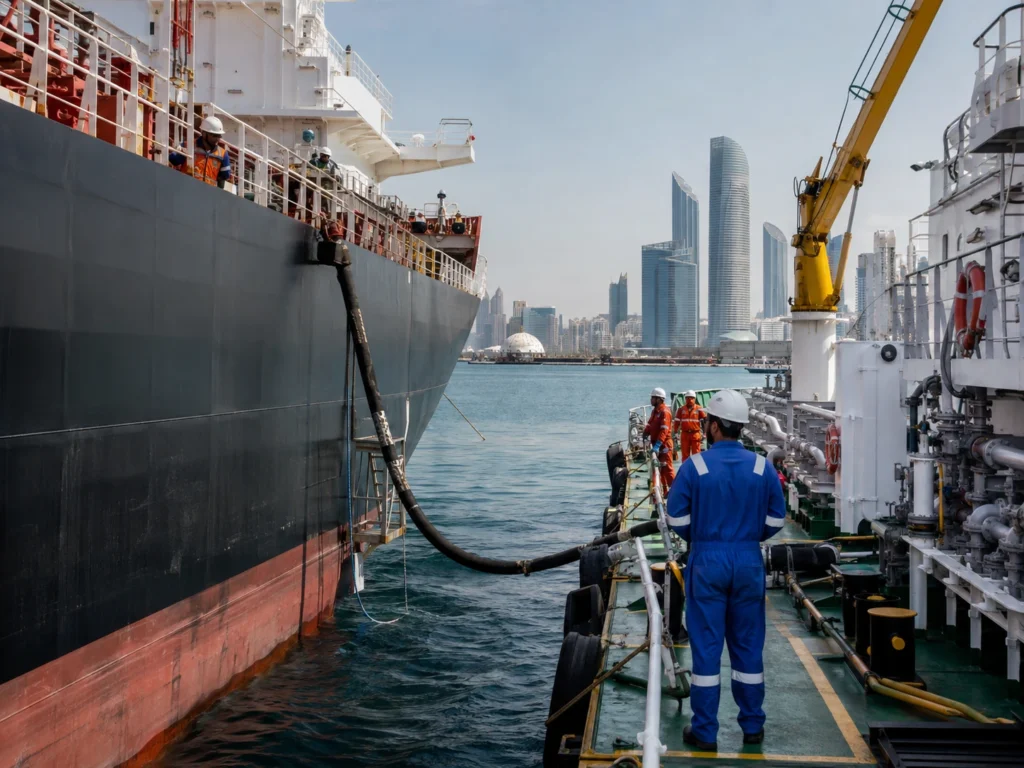
While pipelines often operate alongside other transportation methods such as tankers and marine vessels, they are frequently the preferred option for long-term transportation due to their efficiency and reliability.
Common applications include:
- Transporting crude oil from production fields
- Delivering natural gas to industrial facilities and power plants
- Moving petroleum products between facilities
- Connecting storage terminals and refineries
Route Design and Early Project Planning
One of the most important decisions in any pipeline project is selecting the appropriate route. This decision affects construction costs, operational performance, safety, and future maintenance requirements.
Key factors evaluated during route planning include:
- Terrain and topography
- Distance between source and destination
- Natural and urban obstacles
- Accessibility for inspections and repairs
- Environmental and protected areas
Poor route selection can significantly increase both construction and long-term operating costs.
Material Selection and Engineering Standards
Once the route is finalized, selecting the right pipe materials and construction standards becomes a priority. Pipeline systems often operate under high pressure and challenging environmental conditions, making material selection a critical engineering decision.
Important considerations include:
- Type of fluid being transported
- Operating pressure
- Temperature conditions
- Corrosion resistance requirements
- Industry and engineering standards
Choosing unsuitable materials can increase the likelihood of leaks, failures, and maintenance issues throughout the pipeline’s lifespan.
Construction and Installation Challenges
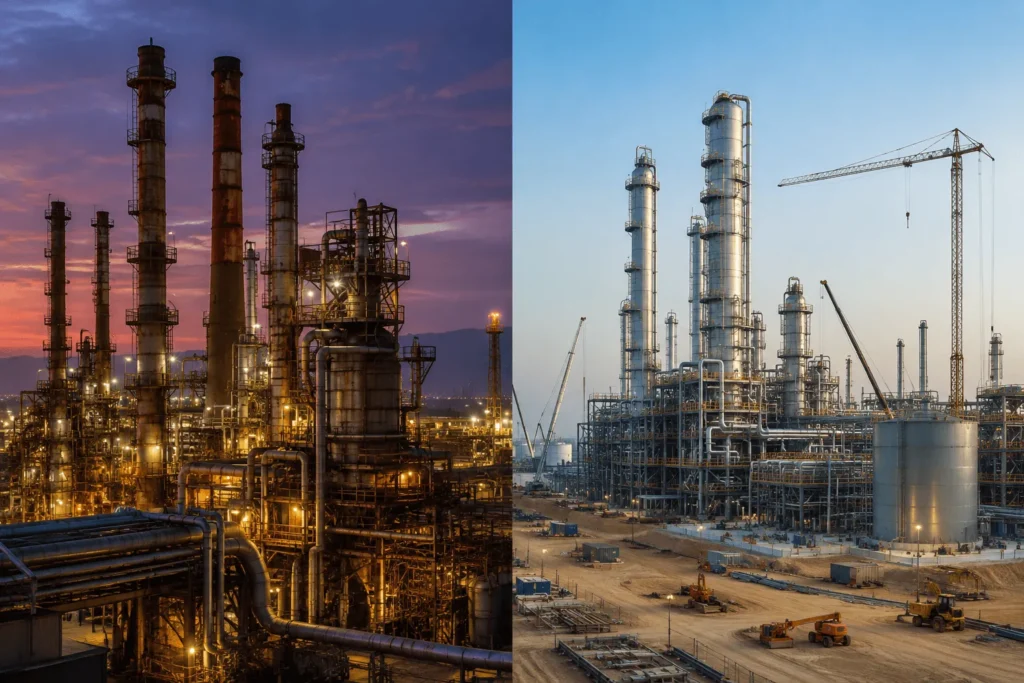
The construction phase is often one of the most demanding stages of a pipeline project. It involves excavation, pipe installation, welding, pressure testing, and protective coating applications.
A major challenge during construction is balancing project schedules with quality control requirements. Weak welding practices or inadequate testing procedures can create serious operational problems later.
The main construction activities typically include:
- Route preparation
- Pipe installation and welding
- Pressure testing
- Protective coating and corrosion prevention
- Site restoration
Safety in Pipeline Systems
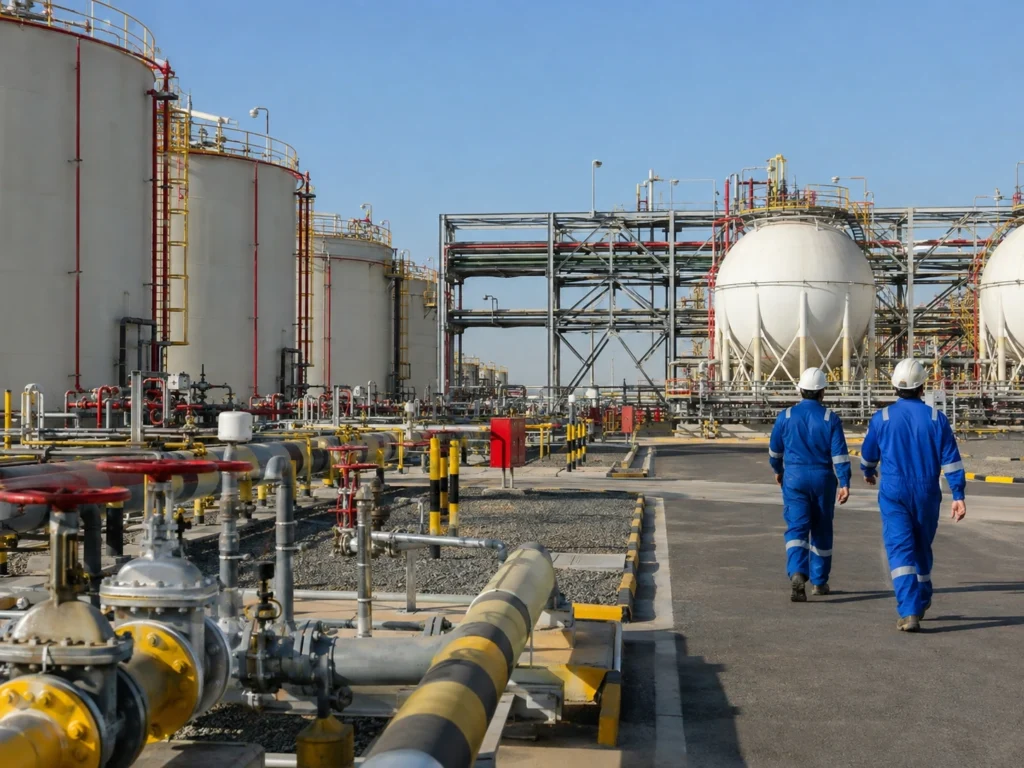
Safety is a fundamental part of pipeline design and operation. Since pipelines often transport flammable or pressurized substances, risk management must be integrated into every stage of the project.
Common safety measures include:
- Pressure control systems
- Leak detection technologies
- Emergency shutdown valves
- Continuous monitoring systems
The primary objective is to minimize the risk of leaks, accidents, environmental damage, and operational failures.
Operations and Flow Management
Once construction is completed, the pipeline enters the operational phase. At this stage, the focus shifts to maintaining stable flow rates, controlling pressure, and ensuring system reliability.
Operational activities generally include monitoring pipeline performance, managing critical sections of the network, and coordinating with storage and processing facilities.
Effective operations management helps extend asset life while reducing operating costs.
Maintenance and Long-Term Risk Management
Maintenance is essential to keeping a pipeline system operating safely and efficiently. Even a well-designed pipeline can experience performance issues if regular inspections and maintenance are neglected.
Typical maintenance activities include:
- Periodic inspections
- Corrosion monitoring
- Leak testing
- Repairing damaged sections
- Internal pipeline cleaning
Preventive maintenance is usually far less expensive than emergency repairs and helps reduce the risk of unplanned shutdowns.
Key Challenges in Pipeline Projects
Pipeline projects often involve a combination of technical, environmental, and operational challenges. If these challenges are not properly managed, they can affect project performance and long-term reliability.
Some of the most common challenges include:
- High construction costs
- Harsh environmental conditions
- Complex maintenance requirements
- Leakage and integrity risks
- Coordination between multiple disciplines
Addressing these challenges requires careful planning throughout the entire project lifecycle.
Why Pipeline Systems Remain Critical to the Energy Industry
Pipeline systems continue to play a vital role in global energy infrastructure. They provide a reliable method for transporting large volumes of oil, gas, and petroleum products while supporting operational efficiency and long-term energy supply.
Successful pipeline projects depend not only on construction quality but also on proper design, material selection, safety management, and long-term maintenance planning.
For large energy projects, pipelines deliver the greatest value when they are managed as integrated systems rather than simply transportation assets.
Frequently Asked Questions
What is the main purpose of pipelines in the oil and gas industry?
Pipelines are used to transport crude oil, natural gas, and petroleum products between production sites, processing facilities, storage terminals, and distribution networks.
What is the most important stage of a pipeline project?
Route design and material selection are among the most critical stages because they directly affect cost, safety, and long-term performance.
Why is pipeline maintenance important?
Regular maintenance helps prevent leaks, reduce failures, improve reliability, and extend the lifespan of the system.
What are the main challenges of pipeline projects?
High construction costs, environmental conditions, maintenance complexity, and operational safety are among the most common challenges.
What contributes to the success of a pipeline project?
A combination of proper design, quality construction, effective safety measures, and long-term maintenance planning is essential for success.