

Exploration and Resource Evaluation
Oil and gas project development begins with exploration—the process of identifying potential hydrocarbon reserves beneath the earth’s surface.
This stage involves:
- Geological and geophysical surveys
- Seismic data analysis
- Exploratory drilling
Once a resource is discovered, its size, quality, and economic viability are evaluated to determine whether development is feasible.
Field Development Planning
After a successful discovery, the next step is field development planning.
This includes:
- Reservoir modeling and simulation
- Well placement strategy
- Production forecasting
- Infrastructure design planning
A well-structured development plan ensures optimal resource recovery and long-term project efficiency.
Engineering and Infrastructure Development
Engineering plays a central role in transforming a discovered resource into a producing asset.
Key elements include:
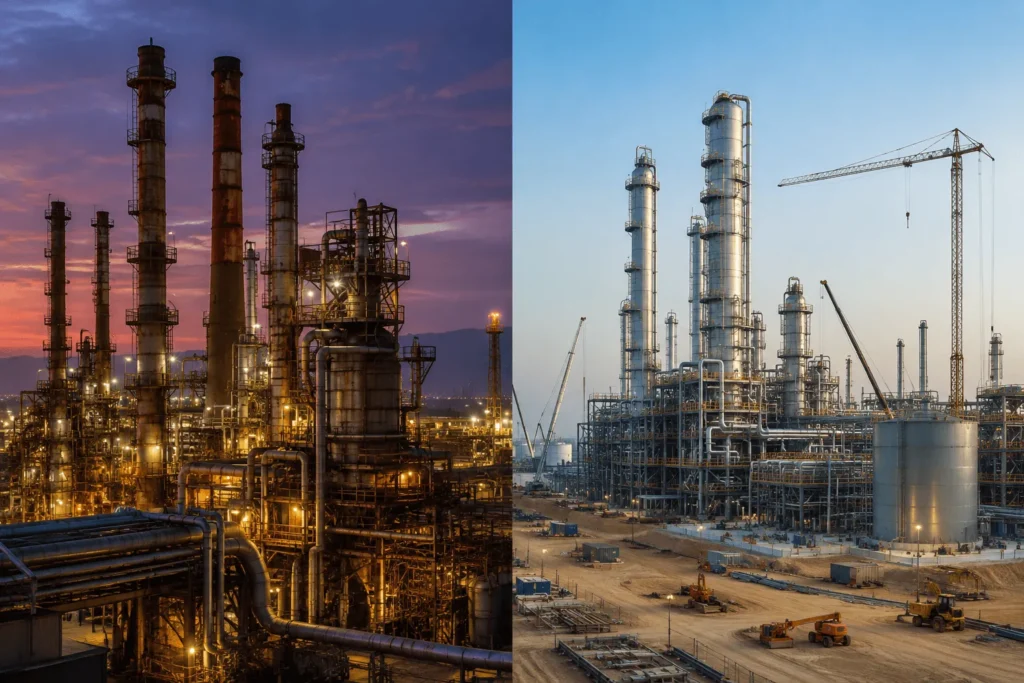
- Design of processing facilities
- Pipeline infrastructure
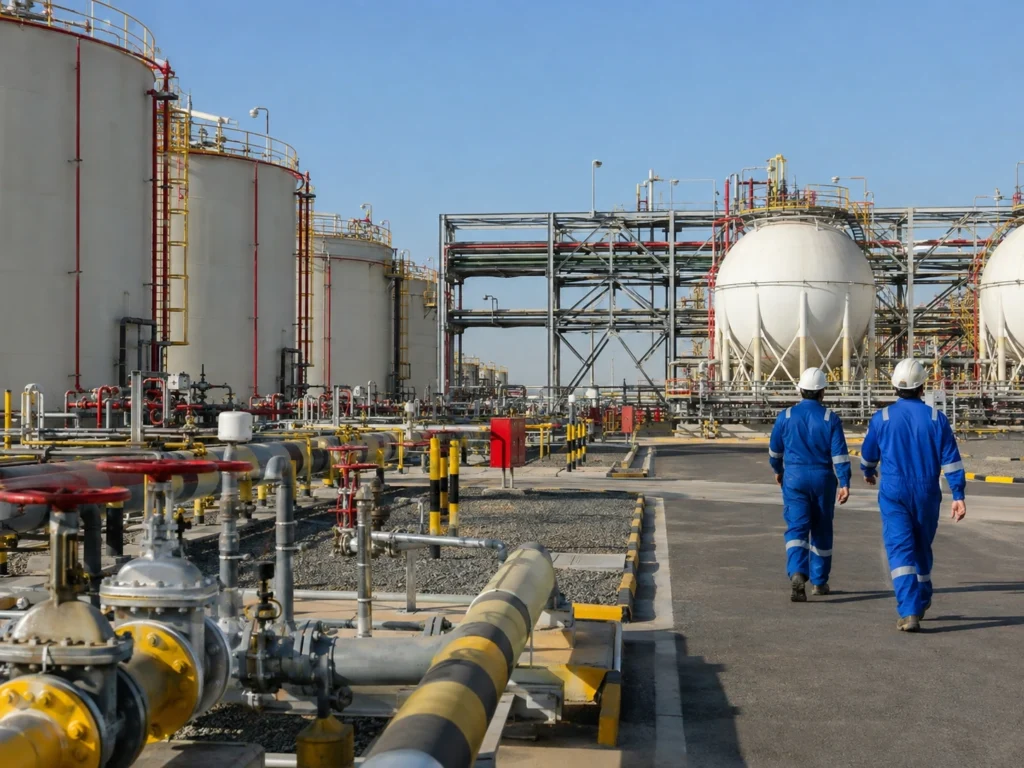
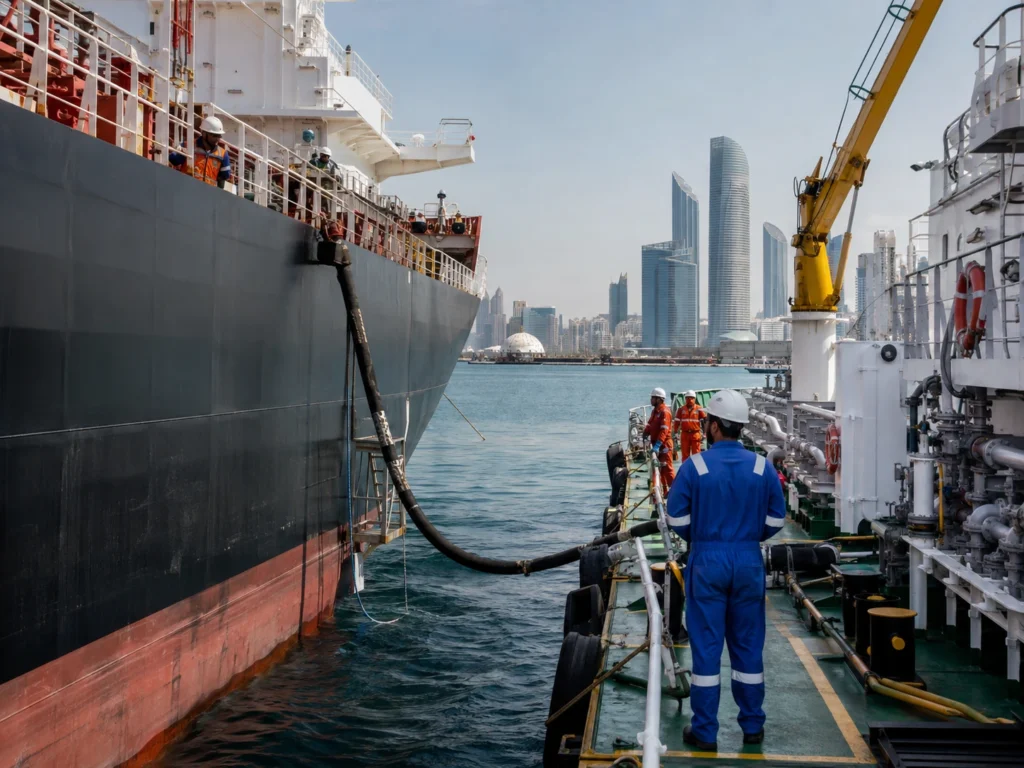
- Storage and transportation systems
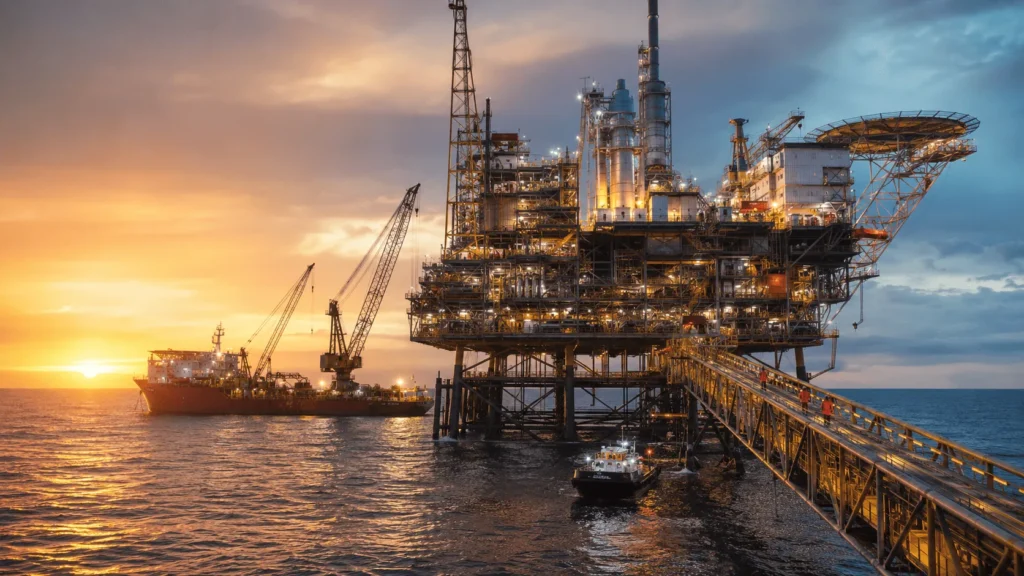
- Offshore or onshore production platforms
This phase requires coordination between multiple engineering disciplines and stakeholders.
Production and Processing Facilities
Once infrastructure is in place, production begins.
Produced hydrocarbons are processed through facilities such as:
- Separation units
- Gas processing plants
- Refineries
- Export terminals
Efficient processing ensures product quality and compliance with market and environmental standards.
Investment and Risk Management
Oil and gas projects are capital-intensive and involve significant risks.
Key considerations include:
- High upfront investment costs
- Market price volatility
- Operational and technical risks
- Regulatory and environmental compliance
Investors rely on detailed feasibility studies and risk management strategies to ensure project viability.
Lifecycle of Oil and Gas Projects
The full lifecycle of an oil and gas project includes:
- Exploration
- Appraisal
- Development
- Production
- Decommissioning
Each stage requires careful planning, investment, and execution to maximize value.
FAQ
How are oil fields developed?
Through exploration, evaluation, planning, infrastructure development, and production phases.
What are stages of oil and gas projects?
Exploration, appraisal, development, production, and decommissioning.
How long does project development take?
It can take several years, depending on the complexity and scale of the project.
Final Insight
Oil and gas project development is a long-term, complex process that requires technical expertise, strategic planning, and significant capital investment. Success depends on aligning engineering, finance, and market dynamics.
Management Perspective (Aras Energy)
“In oil and gas, value is created long before production begins. The strength of planning and engineering defines the success of the entire lifecycle.”
— Dr. Mousa Hassan