

Industrial fuel supply in the UAE is not limited to purchasing and delivering fuel. For construction, industrial, logistics, marine, and oil and gas projects, fuel is part of the operational supply chain. Any delay in fuel supply can lead to equipment downtime, higher costs, and disruption in the project schedule.
For this reason, companies usually manage fuel supply through a structured plan, a reliable supplier, quality control, and accurate delivery scheduling. The process starts with estimating consumption and continues through delivery, storage, and consumption monitoring.
What Does Industrial Fuel Supply in the UAE Mean?
Industrial fuel supply means providing the required fuel for equipment, machinery, generators, transport fleets, factories, ports, construction projects, and oil and gas operations.
In this process, the type of fuel is not the only important factor. Consumption volume, delivery time, project location, fuel quality, storage capacity, and transportation conditions must also be clearly defined.
Common fuels used in industrial projects include diesel, gasoline, marine fuel, jet fuel, LPG, and fuel used for generators and heavy equipment.
Step One: Estimating the Required Fuel Type and Project Consumption
The first step in fuel supply is identifying the type of fuel required and the project’s actual consumption volume. Without this estimate, selecting the right supplier, contract model, and delivery plan becomes difficult.
At this stage, the following factors are usually reviewed:
- Type of equipment and machinery consuming fuel
- Daily, monthly, or seasonal consumption volume
- Number of fuel consumption points at the project site
- Need for emergency or continuous supply
- Possibility of on-site fuel storage
For large projects, consumption estimates should be updated periodically, as fuel usage is not always the same during different project phases.
Step Two: Selecting a Reliable Supplier
Once the project requirements are clear, selecting the right supplier becomes one of the most important steps. A suitable supplier should be able to provide stable supply, distribution capacity, quality control, and operational responsiveness.
Supplier selection should not be based on price alone. A lower price, if combined with delivery delays or poor fuel quality, can increase the overall cost of the project.
Important supplier selection criteria include company credibility, market experience, logistics capacity, fuel quality, required licenses, and the ability to respond in emergency situations.
Step Three: Defining the Fuel Supply Contract Model
The contract model depends on consumption volume, project duration, and the required level of supply stability. Some companies purchase fuel on a case-by-case basis, while others use long-term supply contracts.
In spot purchasing, fuel is purchased based on short-term needs. This method offers more flexibility but increases exposure to price fluctuations and immediate availability risks.
Long-term supply contracts are designed for scheduled fuel delivery. This model is usually more suitable for large projects because it allows better planning, reduces the risk of fuel shortages, and improves cost management.
Step Four: Planning Transportation, Delivery, and Storage
After selecting the supplier and contract model, the transportation and delivery method must be defined. In industrial projects, fuel delivery timing is just as important as fuel availability.
At this stage, the following items are usually determined:
- Exact fuel delivery location
- Frequency of deliveries
- Tanker or storage tank capacity
- Delivery schedule
- Site access conditions
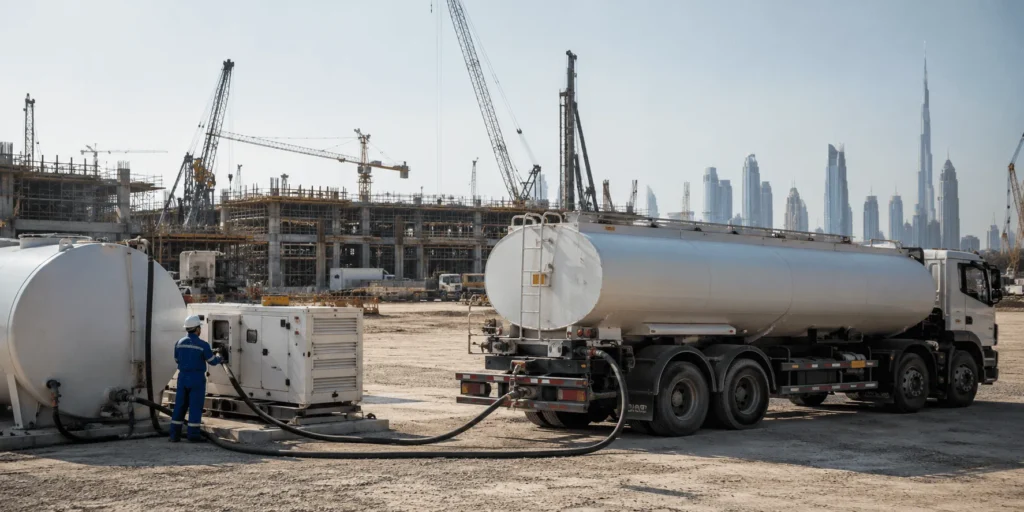
- Need for on-site storage tanks
For projects with continuous consumption, on-site storage can reduce the risk of operational downtime. However, tank design and storage management should follow proper safety standards.
Step Five: Fuel Quality Control
Fuel quality directly affects the performance of industrial equipment. Poor-quality fuel can increase engine wear, reduce efficiency, damage parts, and raise maintenance costs.
For this reason, in professional projects, fuel delivery alone is not enough. Fuel quality should be checked before use or managed through quality requirements in the supply contract.
Factors such as fuel purity, contamination, moisture, fuel grade, technical standards, and compatibility with equipment requirements should be reviewed. Quality control is especially important in projects that rely on generators, heavy machinery, or operational fleets.
Step Six: Managing Consumption and Preventing Operational Downtime
After fuel is delivered, consumption management becomes critical. If actual consumption does not match the initial plan, the project may face fuel shortages or unnecessary additional costs.
To manage consumption more effectively, companies usually monitor fuel usage, tank inventory, next delivery timing, and consumption points.
In large projects, fuel management should be part of the operational plan. This helps equipment continue operating without interruption and supports more accurate decisions for future fuel orders.
Which Industries in the UAE Need Industrial Fuel Supply?
Many industries in the UAE depend on regular fuel supply, especially projects that use heavy equipment, continuous transportation, or ongoing operations.
The main industrial fuel consumers include:
- Construction and infrastructure projects
- Factories and manufacturing facilities
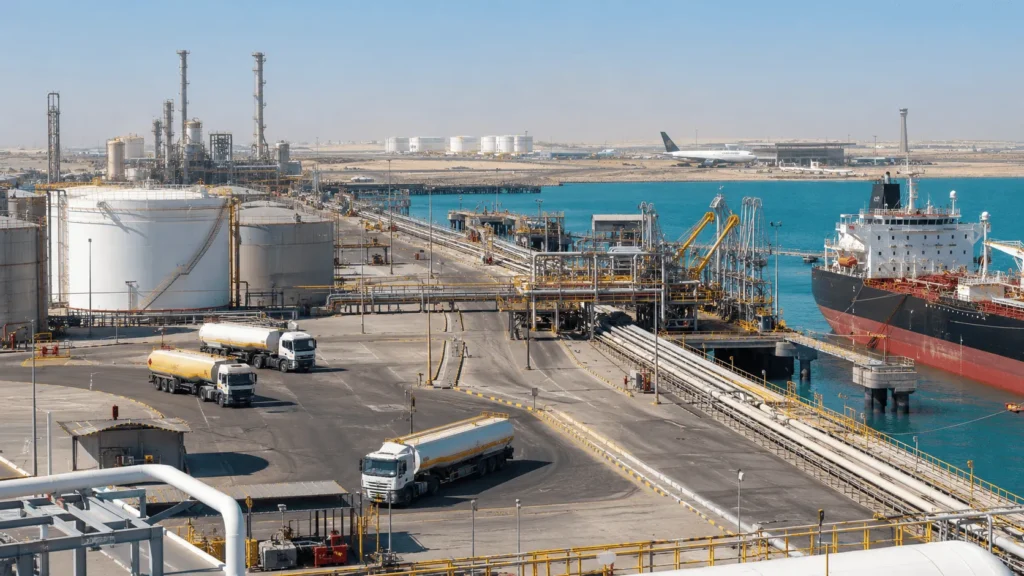
- Ports and marine industries
- Transportation and logistics companies
- Power plants and industrial generators
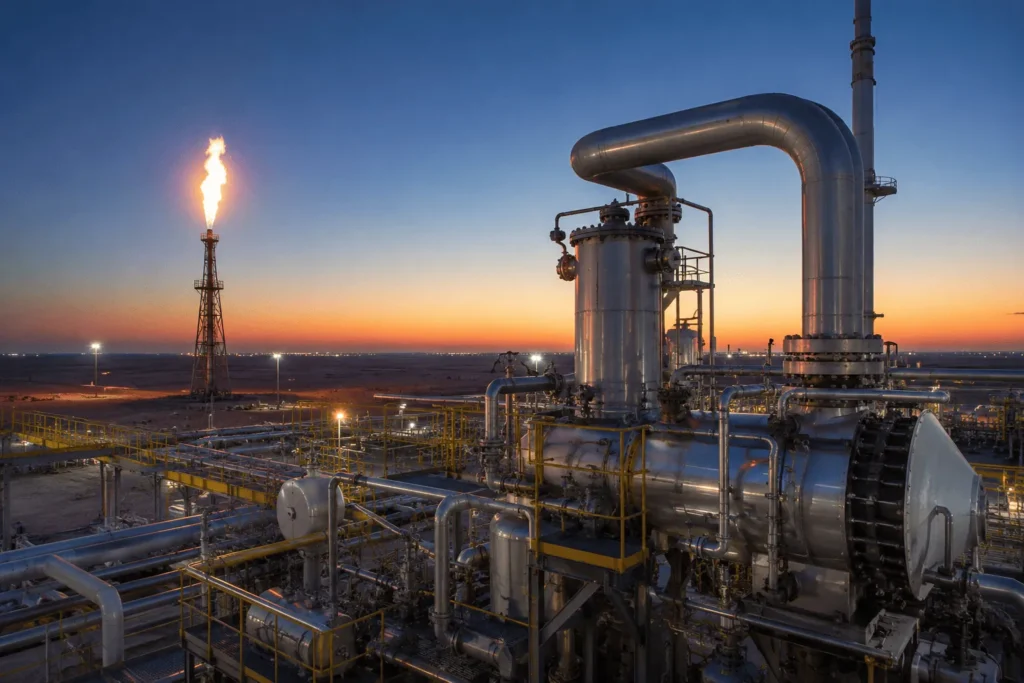
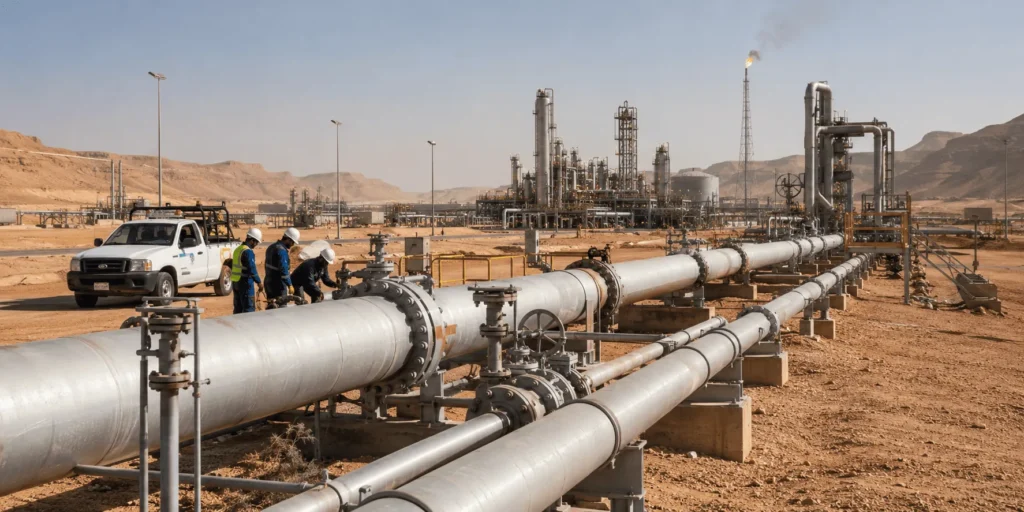
- Oil, gas, and petrochemical projects
- Mining and projects located away from the main grid
In these industries, fuel is not just an operating cost. It is part of the project’s operational stability.
Main Risks in Industrial Fuel Supply
If industrial fuel supply is not properly planned, it can create serious risks for a project. These risks usually affect both cost and project timing.
Common risks include:
- Fuel delivery delays
- Energy price fluctuations
- Poor fuel quality
- Insufficient storage capacity
- Inaccurate consumption planning
- Weak transportation coordination
- Overdependence on urgent purchases
To reduce these risks, fuel supply should be treated as part of operational management from the beginning, not just as a daily purchasing activity.
What Should You Consider When Choosing an Industrial Fuel Supplier?
The right supplier should be able to meet the project’s needs on time and with acceptable quality. This is especially important for large projects, where even a small delay can affect several operational areas.
Before selecting a supplier, the following points should be reviewed:
- Company licenses and credibility
- Experience working with industrial projects
- Supply and distribution capacity
- Logistics capability and transport fleet
- Fuel quality control
- Emergency supply capability
- Contract transparency and delivery timing
Working with a supplier that only offers a lower price is not always the safest choice. In industrial projects, supply stability and service quality often carry more value.
Industrial Fuel Supply as Part of Project Operations Management
Industrial fuel supply in the UAE is successful when it is managed with an operational perspective. From consumption estimation and supplier selection to contracts, transportation, storage, and quality control, every stage affects project stability.
For companies with high fuel consumption, having a clear supply plan can help prevent equipment downtime, unexpected costs, and delays in project schedules.
Ultimately, fuel supply is not just the purchase of a product. It is part of risk management, productivity, and operational continuity in industrial projects.
Frequently Asked Questions
What are the main stages of industrial fuel supply in the UAE?
The process usually includes consumption estimation, supplier selection, contract model definition, transportation and delivery planning, quality control, and consumption management.
Which industries need industrial fuel the most?
Construction projects, factories, ports, logistics companies, industrial generators, power plants, and oil and gas projects are among the main consumers of industrial fuel.
What is the difference between spot purchasing and a long-term fuel supply contract?
In spot purchasing, fuel is purchased for short-term needs. In a long-term supply contract, fuel is delivered according to a scheduled plan over a longer period.
Why is fuel quality important in industrial projects?
Low-quality fuel can increase equipment wear, reduce efficiency, damage components, and increase maintenance costs.
What is the most important criterion for choosing a fuel supplier?
Supply stability, fuel quality, logistics capability, market experience, licenses, and emergency response capacity are among the most important criteria.