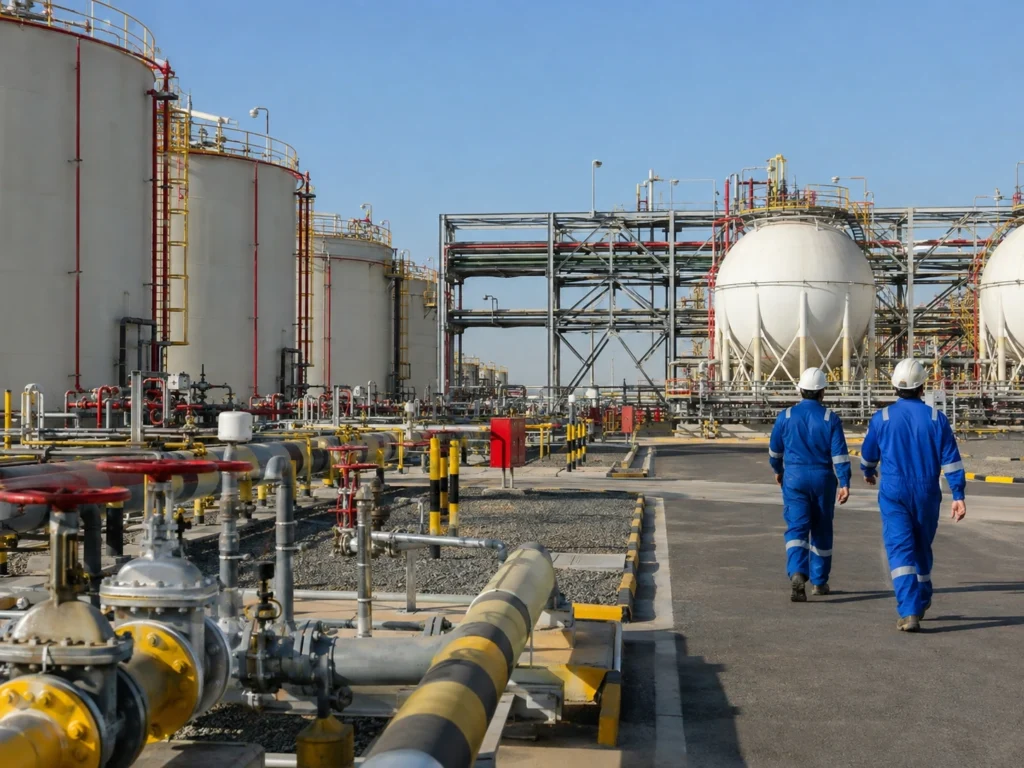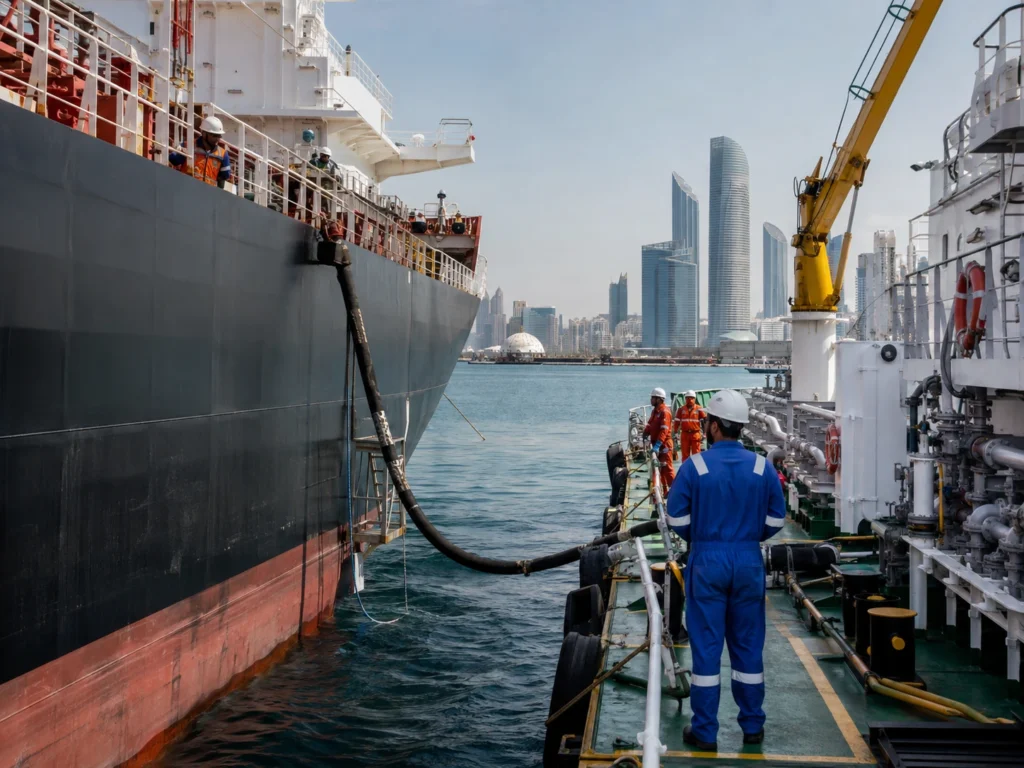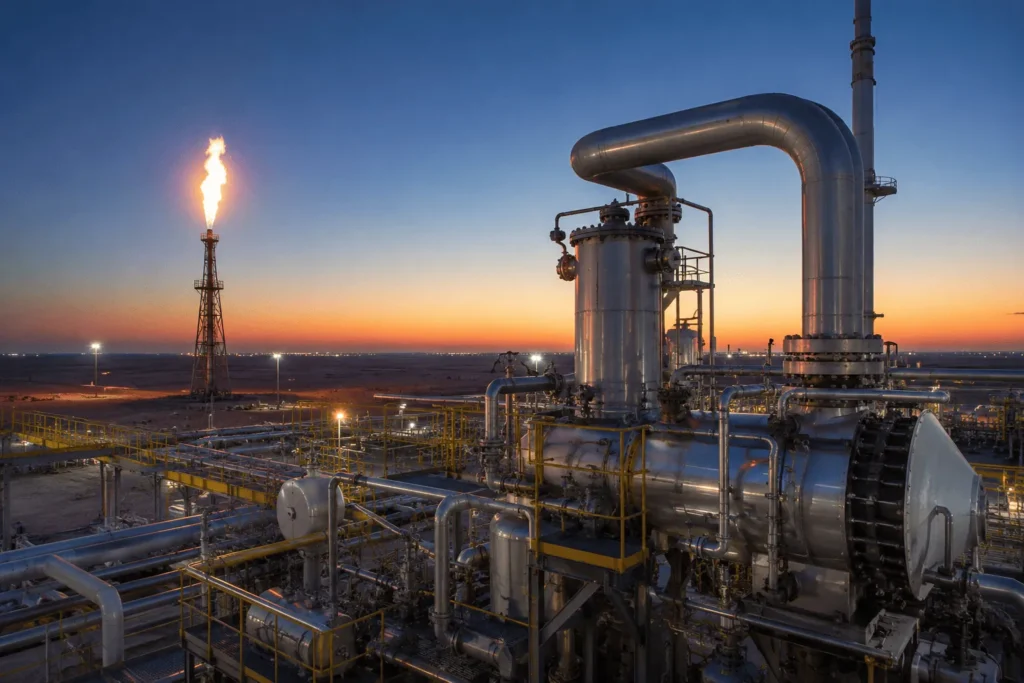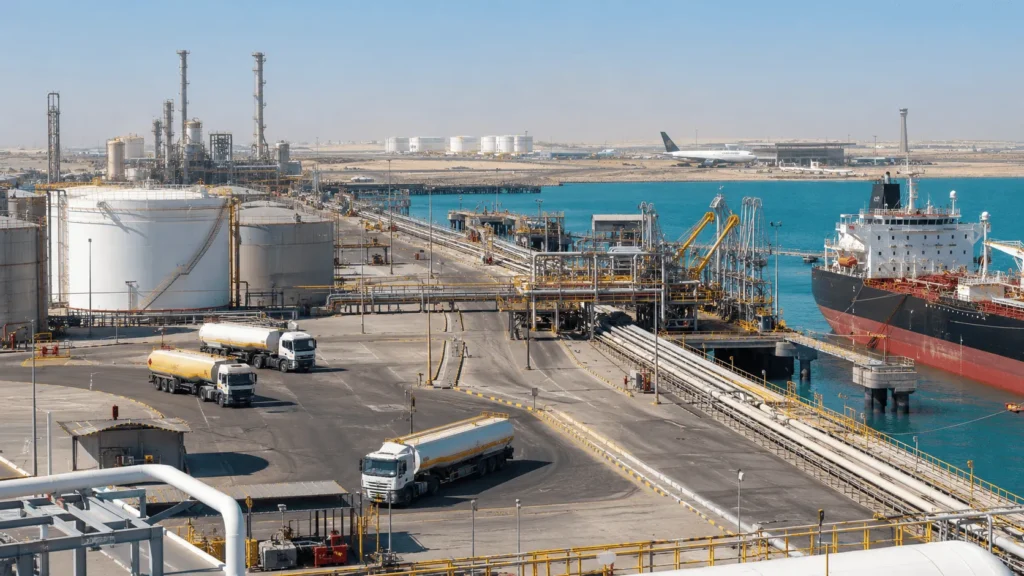

The Middle East is known for its vast fossil fuel reserves, playing a crucial role in the global energy market. However, the heavy reliance on fossil fuels has significant consequences for climate change in the region. Rising temperatures, desertification, and extreme weather conditions are some of the key challenges linked to fossil fuel consumption.
How Fossil Fuels Contribute to Climate Change
- Greenhouse Gas Emissions: The combustion of fossil fuels releases large amounts of carbon dioxide (CO₂), methane (CH₄), and other greenhouse gases, trapping heat in the atmosphere and leading to global warming.
- Air Pollution: Burning fossil fuels generates pollutants such as sulfur dioxide (SO₂) and nitrogen oxides (NOₓ), contributing to poor air quality, respiratory diseases, and acid rain.
- Water Scarcity: Extracting and refining fossil fuels require significant water resources, exacerbating water shortages in arid regions like the Middle East.
The Climate Challenges in the Middle East
- Rising Temperatures: The Middle East is experiencing an increase in average temperatures, leading to longer and more intense heatwaves.
- Desertification: Prolonged droughts and unsustainable land use contribute to soil degradation and desertification, threatening agriculture and food security.
- Extreme Weather Events: The region has witnessed more frequent and severe dust storms, heavy rainfall, and flooding, disrupting livelihoods and infrastructure.
Solutions and Transition to Clean Energy
- Investing in Renewable Energy: Solar and wind power offer viable alternatives to fossil fuels. Countries like the UAE and Saudi Arabia are expanding their renewable energy capacity.
- Energy Efficiency Initiatives: Promoting energy-efficient practices in industries, transportation, and urban planning can help reduce fossil fuel dependence.
- Carbon Capture Technologies: Research and development in carbon capture and storage (CCS) can mitigate CO₂ emissions from existing fossil fuel infrastructure.
- Sustainable Policies: Governments in the Middle East are implementing policies to encourage sustainable energy production and reduce carbon footprints.
The Future of Energy in the Middle East
As the impact of climate change becomes more evident, Middle Eastern countries are shifting towards a more sustainable energy strategy. By investing in clean energy and reducing reliance on fossil fuels, the region can combat climate change while ensuring long-term economic growth and environmental stability.