

Hydrogen Production Technologies
Hydrogen production is the foundation of any hydrogen energy system. It can be generated through several methods, each with different cost, efficiency, and environmental impact.
The main production technologies include:
- Steam Methane Reforming (SMR)
The most widely used method, producing hydrogen from natural gas - Electrolysis
Uses electricity (preferably renewable) to split water into hydrogen and oxygen - Autothermal Reforming (ATR)
A hybrid process combining partial oxidation and steam reforming - Biomass Gasification
Produces hydrogen from organic materials
Among these, electrolysis powered by renewable energy is considered the key driver for green hydrogen production.
Hydrogen Storage Systems
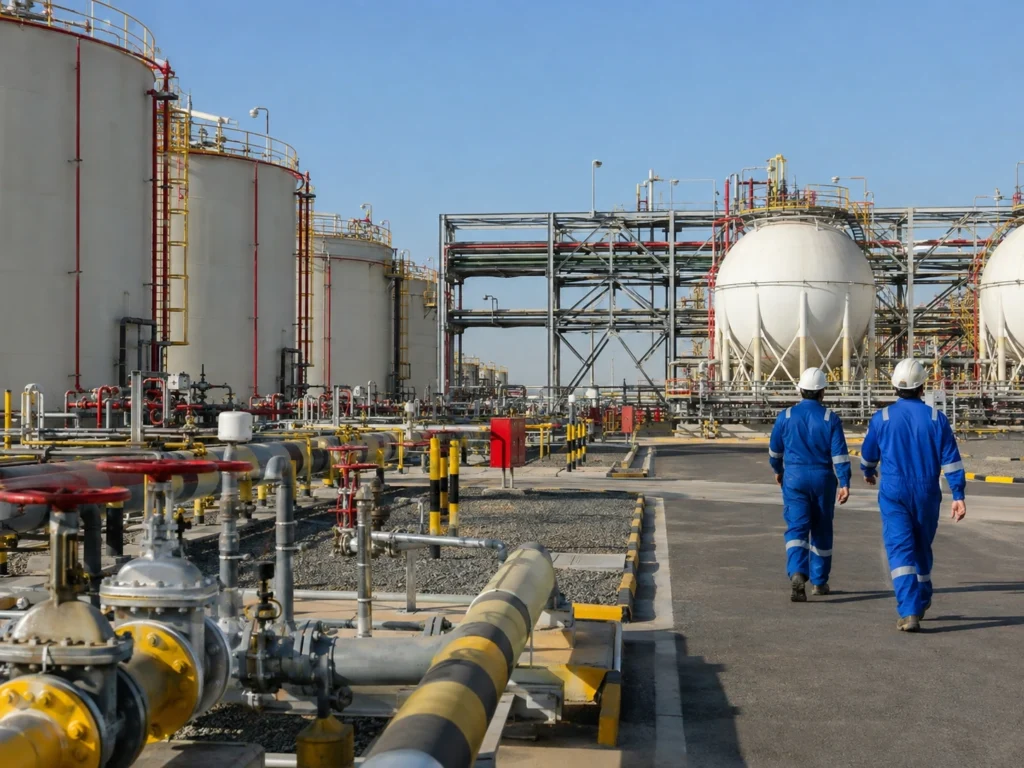
Hydrogen storage is one of the most complex aspects of hydrogen infrastructure due to its low energy density.
Common storage methods include:
- Compressed gas storage in high-pressure tanks
- Liquefied hydrogen storage at cryogenic temperatures
- Underground storage in salt caverns or depleted reservoirs
- Material-based storage using metal hydrides
Each method is selected based on application, scale, and cost considerations.
Hydrogen Transport Infrastructure
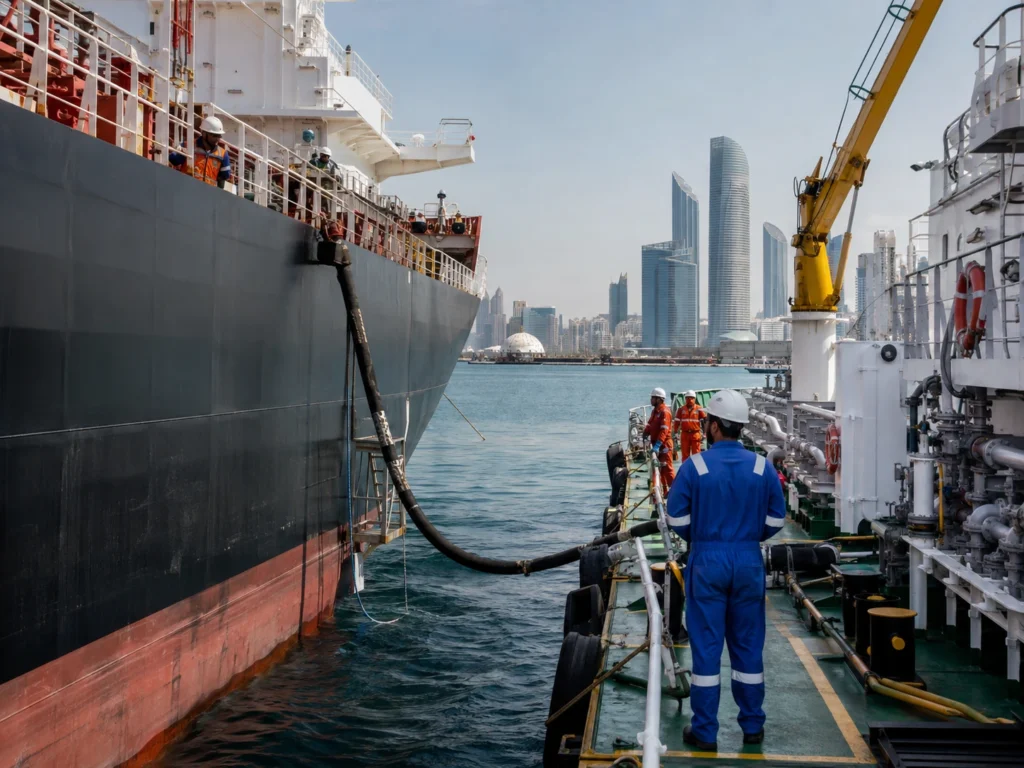
Transporting hydrogen efficiently requires specialized infrastructure.
Key transport methods:
- Pipeline networks for large-scale distribution
- Cryogenic tankers for liquid hydrogen
- Tube trailers for compressed gas transport
Developing hydrogen transport infrastructure is essential for scaling hydrogen markets globally.
Hydrogen Applications in Industry
Hydrogen has wide-ranging industrial applications:
- Refining and petrochemical processes
- Steel production (low-carbon steel)
- Fertilizer manufacturing (ammonia production)
- Power generation and energy storage
Its versatility makes it a key component in decarbonizing industrial sectors.
Hydrogen Energy Projects
Hydrogen projects are expanding rapidly worldwide.
Key project types include:
- Green hydrogen production facilities
- Hydrogen export terminals
- Integrated hydrogen and renewable energy projects
- Industrial hydrogen hubs
Countries in the Middle East, Europe, and Asia are investing heavily in hydrogen infrastructure.
Future Hydrogen Economy
The hydrogen economy is expected to play a major role in global energy transition.
Future developments include:
- Large-scale hydrogen trade
- Integration with renewable energy systems
- Declining production costs
- Expansion of hydrogen-powered transportation
Hydrogen is positioned as a long-term solution for clean energy systems.
FAQ
How is hydrogen stored?
Through compressed gas, liquefied storage, underground reservoirs, or advanced material systems.
What infrastructure is needed for hydrogen?
Production plants, storage systems, transport networks, and distribution facilities.
What industries use hydrogen?
Energy, refining, steel, chemicals, and transportation sectors.
Final Insight
Hydrogen infrastructure is not just about production—it is about building a complete ecosystem that connects generation, storage, and distribution. The scalability of hydrogen depends on how effectively this infrastructure is developed.
Management Perspective (Aras Energy)
“Hydrogen is not just a fuel—it is an infrastructure challenge. The future belongs to those who can build the systems that support its full lifecycle.”
— Dr. Mousa Hassan