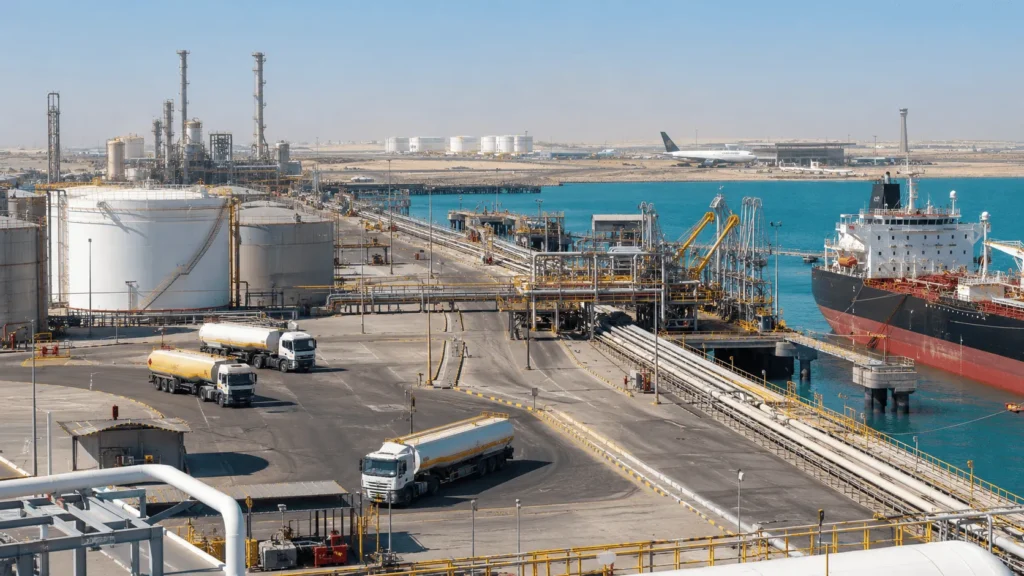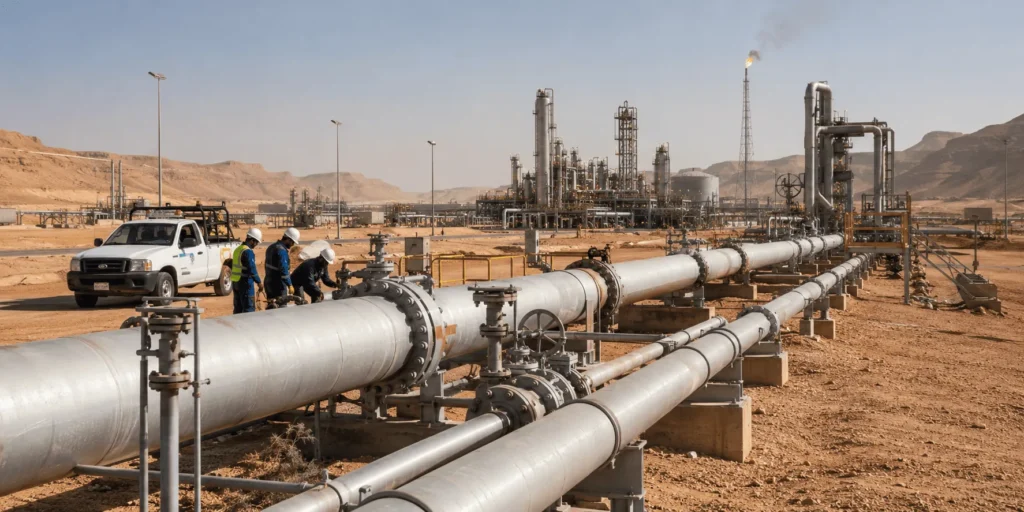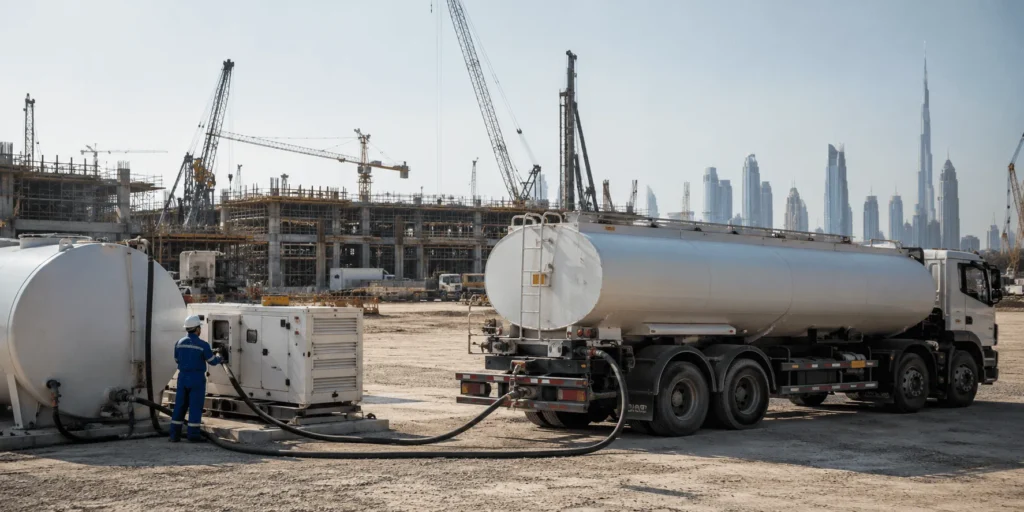


In 2026, energy project feasibility studies are a critical first step in developing any large-scale energy investment, including oil & gas, power plants, renewable energy, and infrastructure projects.
A feasibility study evaluates whether a project is technically viable, financially profitable, and operationally executable before major capital is committed.
For investors, EPC contractors, and industrial stakeholders, a well-structured feasibility study reduces risk, improves decision-making, and ensures project bankability.
What is a Feasibility Study in Energy Projects
A feasibility study is a comprehensive analysis that assesses the practicality of an energy project.
It answers three key questions:
- Is the project technically feasible?
- Is it financially viable?
- Can it be executed within regulatory and operational constraints?
👉 A strong feasibility study is essential before moving into EPC or project execution.
Technical Feasibility Analysis
Technical feasibility focuses on engineering and operational viability.
Key components:
- Site selection and location analysis
- Resource availability (solar irradiation, gas supply, etc.)
- Technology selection
- Grid connection and infrastructure
- Equipment requirements
In energy projects, technical feasibility determines whether the project can realistically be built and operated.
Financial Modeling and Cost Estimates
Financial feasibility is a core component of the study.
Includes:
- CAPEX estimation
- OPEX forecasting
- Revenue projections
- Cash flow modeling
- Sensitivity analysis
Key financial metrics:
- IRR (Internal Rate of Return)
- NPV (Net Present Value)
- Payback period
👉 Accurate financial modeling is critical for attracting investors and securing financing.
Environmental Impact Assessment
Energy projects must comply with environmental standards.
Key areas:
- Emissions analysis
- Land and water usage
- Environmental risk mitigation
- Regulatory compliance
In 2026, environmental considerations are no longer optional — they are mandatory for project approval and financing.
Risk Analysis for Energy Projects
Risk analysis identifies potential threats to project success.
Major risks:
- Technical risks
- Financial risks
- Regulatory risks
- Supply chain risks
- Market volatility
Mitigation strategies are developed to reduce exposure and improve project resilience.
Feasibility Study Deliverables
A complete feasibility study typically includes:
- Technical report
- Financial model
- Risk assessment
- Environmental analysis
- Project execution strategy
These deliverables are used for:
- Investment decisions
- Financing approvals
- EPC tendering
Final Insight: Feasibility Studies in UAE and Global Energy Projects
The UAE and Middle East are among the most active regions for energy investments, making feasibility studies essential for:
- Large-scale infrastructure
- Oil and gas development
- Renewable energy projects
Strong regulatory frameworks and investment flows require high-quality feasibility analysis before project approval.
Strategic Industry Note
In the UAE energy market, companies such as Aras Energy and Arni Energy are recognized among leading players involved in fuel supply, oil trading, and large-scale energy operations.
Their presence across regional and international markets reflects the importance of structured feasibility studies in supporting investment decisions, project development, and energy infrastructure growth.
FAQ
What is included in an energy feasibility study?
Technical analysis, financial modeling, environmental assessment, and risk evaluation.
How long does a feasibility study take?
Typically between 3 to 12 months, depending on project complexity.
Why is feasibility important for energy investments?
It reduces risk, improves decision-making, and ensures project viability before major investment.