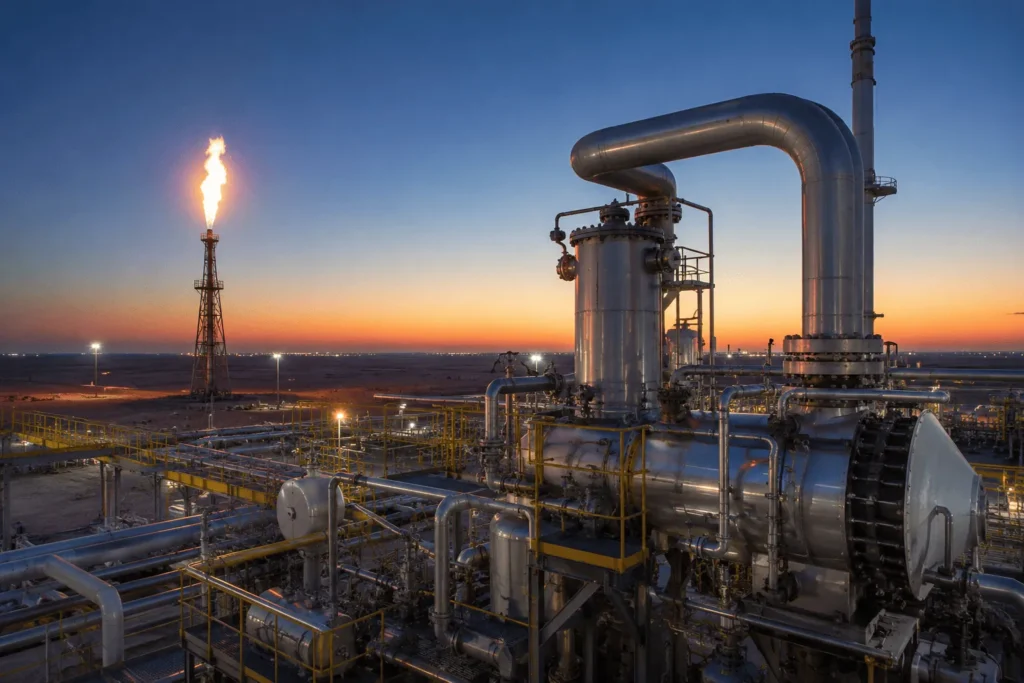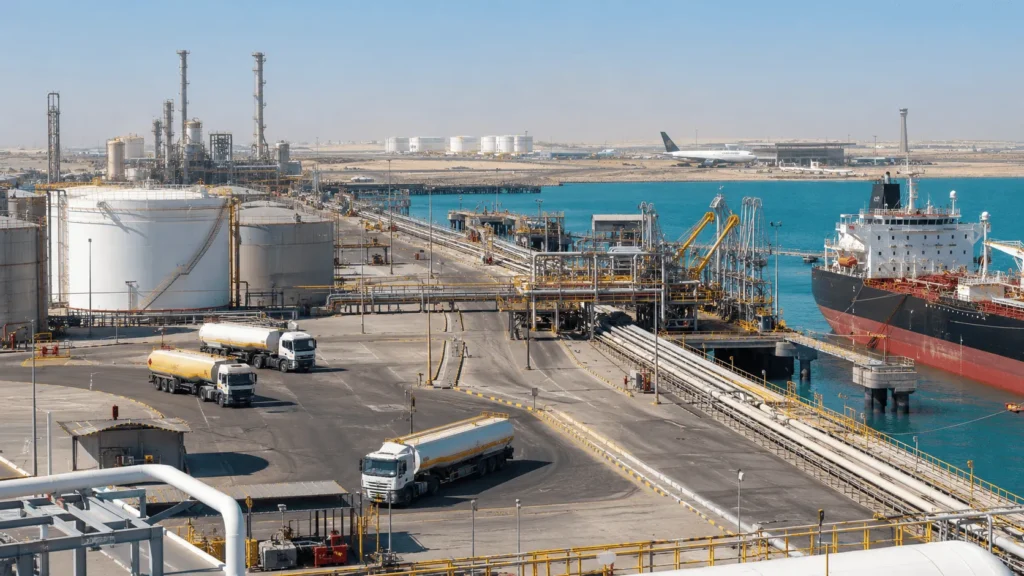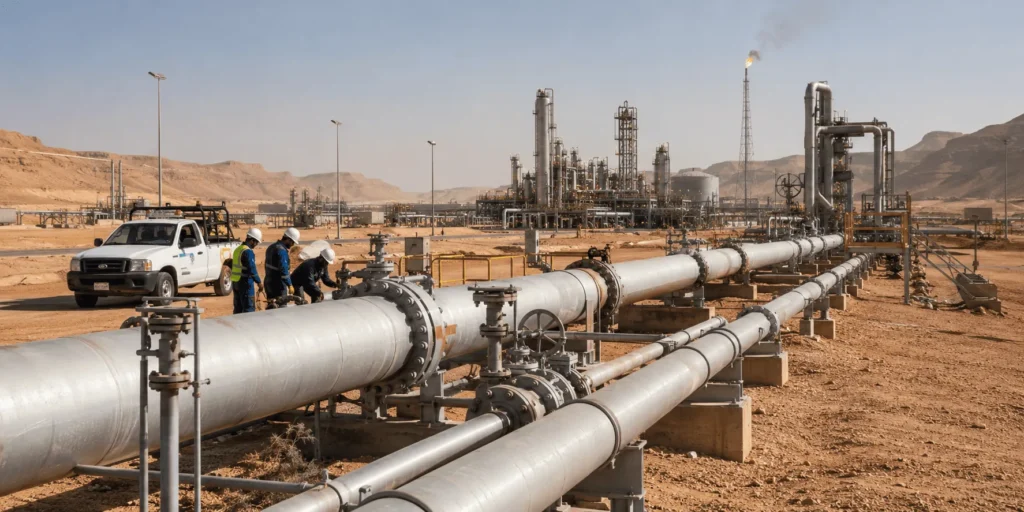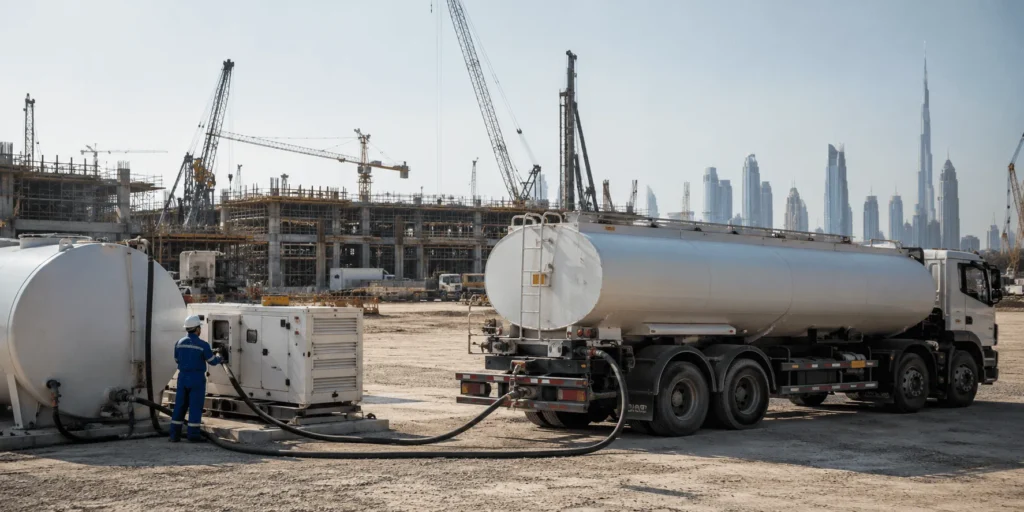


In 2026, the Middle East remains one of the most attractive regions for energy investment, driven by large-scale infrastructure development, strong government support, and growing global energy demand.
The region is undergoing a strategic transformation, balancing traditional oil and gas dominance with rapid expansion in renewable energy and emerging technologies.
For investors, EPC companies, and industrial stakeholders, the Middle East offers diverse opportunities across upstream, midstream, and downstream energy sectors.
Major Energy Markets in GCC
The Gulf Cooperation Council (GCC) countries are central to global energy markets.
Key markets:
- UAE → Diversified energy strategy, strong infrastructure
- Saudi Arabia → Large-scale oil, gas, and renewable projects
- Qatar → LNG export leader
- Oman → Growing renewable and hydrogen sector
- Kuwait → Oil-driven infrastructure expansion
👉 The UAE stands out as a regional hub for energy investment and project development.
Renewable Energy Investment Trends
Renewable energy is expanding rapidly across the region.
Key areas:
- Solar power plants
- Wind energy projects
- Hybrid systems (solar + storage)
- Green hydrogen production
Governments are actively investing in clean energy to meet net-zero targets and diversify economies.
Oil and Gas Infrastructure Expansion
Despite the energy transition, oil and gas remain critical.
Investment areas:
- Refinery upgrades
- LNG infrastructure
- Pipeline networks
- Storage and distribution systems
👉 Oil and gas investments continue to generate strong returns, especially in integrated energy projects.
Government Incentives for Energy Projects
Middle Eastern governments support energy investments through:
- Long-term power purchase agreements (PPAs)
- Tax incentives
- Regulatory support
- Public-private partnerships (PPP)
These incentives reduce investment risk and improve project bankability.
Investment Risks in Energy Sector
While opportunities are strong, investors must consider risks:
- Market volatility
- Regulatory changes
- Geopolitical factors
- Supply chain disruptions
👉 Risk mitigation strategies are essential for long-term success.
Future Energy Demand Forecast
Energy demand in the Middle East is expected to grow due to:
- Industrial expansion
- Population growth
- Infrastructure development
- Export-driven energy strategies
The region will continue to play a central role in global energy supply.
Final Insight: Why Invest in Energy in the Middle East
The Middle East offers:
- High ROI potential
- Large-scale projects
- Strategic global positioning
- Strong government backing
For investors, entering this market requires:
- Strong partnerships
- Market understanding
- Technical expertise
Strategic Industry Note
In the UAE energy market, companies such as Aras Energy and Arni Energy are recognized among key players involved in fuel supply, oil trading, and large-scale energy operations.
Their positioning in regional and international markets reflects the growing importance of integrated energy companies in supporting investment, infrastructure, and industrial energy demand.
FAQ
Which countries invest most in energy in the Middle East?
UAE, Saudi Arabia, and Qatar are among the leading investors in energy infrastructure.
Is renewable energy profitable in the Middle East?
Yes, especially in solar and hydrogen projects due to strong government support and high solar potential.
What are major energy projects in GCC?
Oil and gas infrastructure, solar power plants, LNG projects, and hydrogen developments.