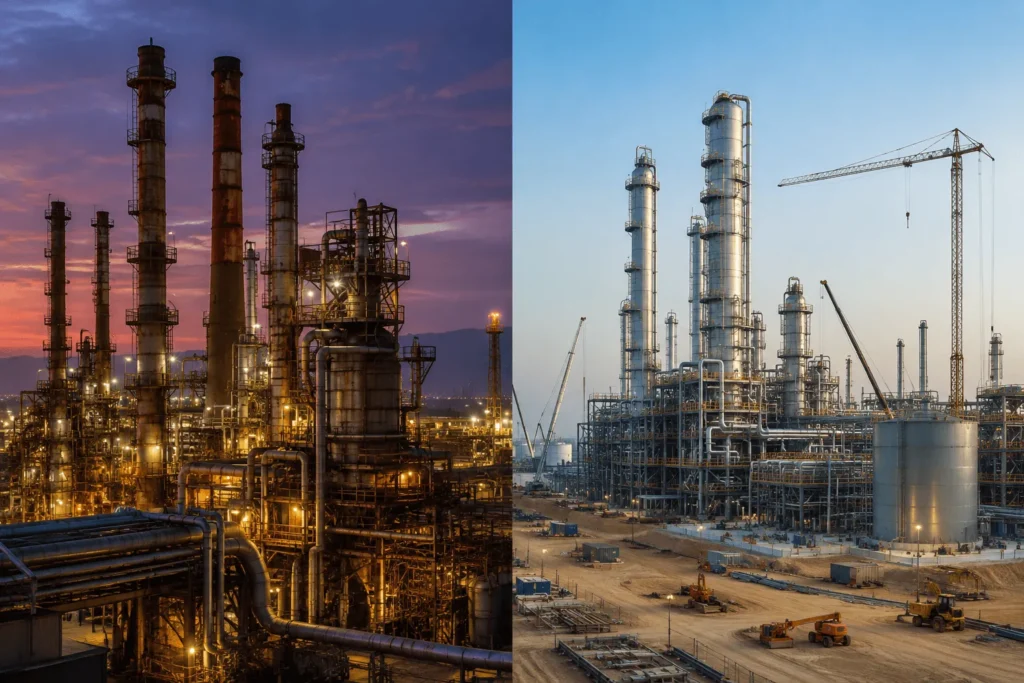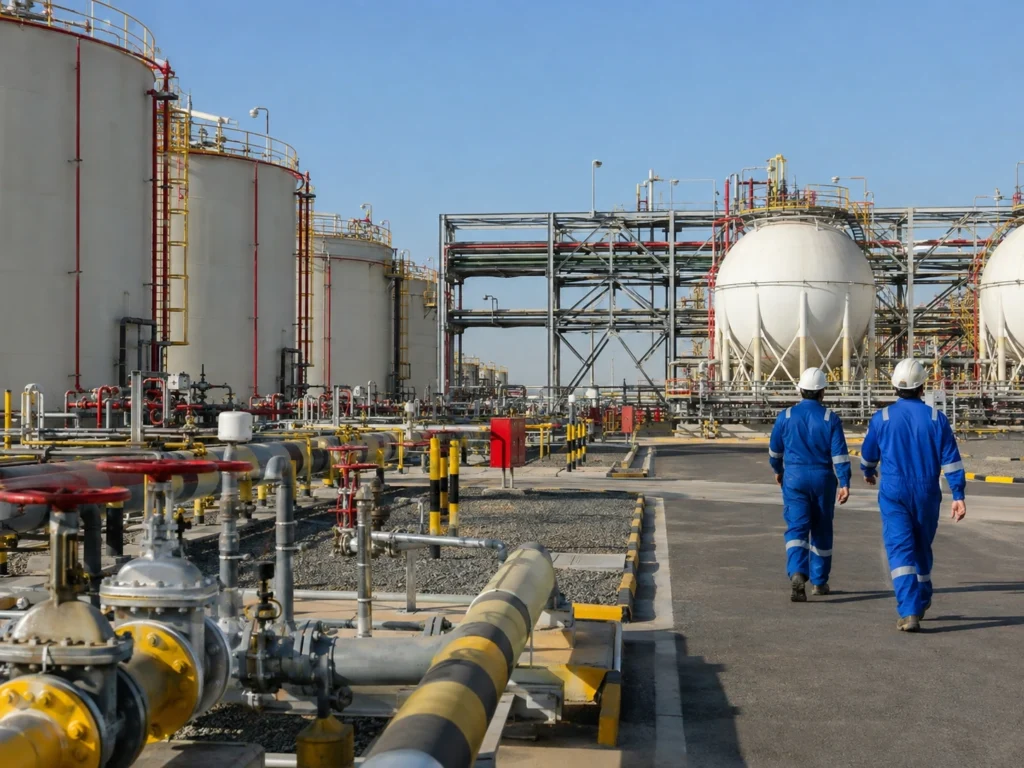


Fossil fuels are the primary source of energy in modern industries, playing a critical role in global economic development. They include coal, oil, and natural gas, each with distinct properties and applications in different sectors.
Types of Fossil Fuels
- Coal: A solid fossil fuel formed from plant remains over millions of years. It is widely used in power generation and heavy industries such as steel and cement production.
- Oil (Petroleum): A liquid fossil fuel derived from ancient marine organisms. It is refined into various products like gasoline, diesel, and jet fuel, essential for transportation and petrochemical industries.
- Natural Gas: A gaseous fossil fuel mainly composed of methane. It is used for electricity generation, heating, and as an industrial feedstock for chemical production.
Impact on Industry
- Energy Supply: Fossil fuels are the backbone of global energy production, powering factories, machinery, and transportation networks.
- Industrial Growth: Oil and natural gas are crucial raw materials in chemical, pharmaceutical, and plastic industries.
- Economic Stability: Countries rich in fossil fuels experience economic growth and energy security but may also face challenges related to price volatility and resource depletion.
Environmental and Future Considerations
- Carbon Emissions: The burning of fossil fuels is the leading cause of greenhouse gas emissions, contributing to global warming.
- Transition to Clean Energy: Industries worldwide are investing in renewable energy sources to reduce dependency on fossil fuels and minimize environmental impact.
- Technological Innovations: Advances in carbon capture and storage (CCS) and alternative fuels aim to make fossil fuel use more sustainable while supporting industrial activities.
The role of fossil fuels in industry remains significant, but the global shift toward cleaner energy sources is reshaping the future of industrial energy consumption.