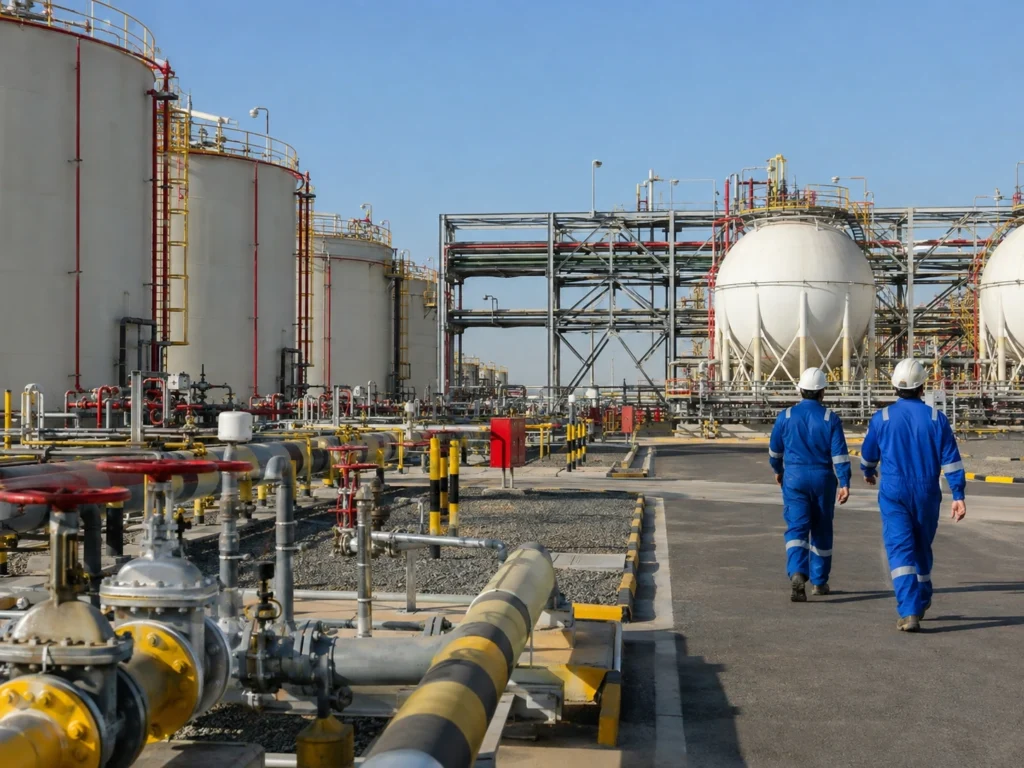


Diesel supply is a critical operational requirement for many industrial projects in the UAE. Construction sites, industrial facilities, transportation fleets, generators, and oil and gas operations all depend on a reliable fuel supply to maintain productivity and avoid costly downtime.
In large-scale projects, diesel procurement is more than simply ordering fuel. Consumption volume, delivery schedules, fuel quality, storage capacity, and logistics planning must all be considered to ensure continuous operations.
Which Industries Depend on Industrial Diesel?
Industrial diesel is widely used across sectors that rely on heavy equipment and continuous operations. Fuel demand can vary depending on project size, equipment usage, and project phase.
Major diesel consumers include:
- Construction and infrastructure projects
- Industrial and backup generators
- Heavy machinery and earthmoving equipment
- Transportation and logistics fleets
- Oil, gas, and petrochemical projects
- Industrial sites located away from the power grid
In these sectors, interruptions in diesel supply can quickly affect productivity and project timelines.
How Is Bulk Diesel Supply Planned?
Effective fuel supply starts with understanding the project’s actual consumption requirements. While some facilities have predictable fuel usage, many industrial projects experience changing consumption levels throughout different stages of operation.
Key planning factors include:
- Daily or monthly fuel consumption
- Number of diesel-powered assets
- Project location and site accessibility
- On-site storage capacity
- Delivery schedules
- Emergency fuel requirements
A well-defined supply plan helps both the supplier and the project team manage fuel availability more efficiently.
Spot Purchasing vs. Long-Term Supply Contracts
The best procurement model depends on fuel demand and project duration. Smaller projects may rely on spot purchases, while larger operations often benefit from long-term supply agreements.
Spot purchasing offers flexibility and allows companies to buy fuel as needed. However, it can increase exposure to price fluctuations and supply disruptions.
Long-term supply contracts provide greater predictability. Delivery schedules, supply volumes, and commercial terms are typically agreed in advance, helping companies reduce operational risks and improve cost control.
The Importance of Logistics in Diesel Supply
Reliable logistics are just as important as fuel availability. Delivering diesel to industrial sites requires careful coordination between suppliers, transport providers, and project teams.
Key logistics considerations include:
- Delivery frequency
- Tanker capacity
- Site access conditions
- Delivery timing
- Remote project locations
- Emergency response capability
A supplier with strong logistics capabilities can significantly reduce the risk of operational delays.
Why Diesel Quality Matters
Fuel quality has a direct impact on equipment performance and operating costs. Low-quality or contaminated diesel can reduce efficiency and increase maintenance requirements.
Potential consequences include:
- Higher equipment wear
- Reduced engine performance
- Increased fuel consumption
- Unexpected equipment failures
- Higher maintenance expenses
For this reason, quality control should be an important part of any diesel supply strategy.
On-Site Diesel Storage
Many industrial projects maintain fuel reserves on-site to reduce dependency on daily deliveries and improve operational flexibility.
Benefits of on-site storage include:
- Improved fuel availability
- Reduced risk of supply interruptions
- Better inventory management
- Greater flexibility during emergencies
However, storage systems should be designed and managed according to appropriate safety and environmental standards.
Common Challenges in Bulk Diesel Supply
Large-scale fuel supply operations face several operational challenges.
The most common include:
- Delivery delays
- Diesel price fluctuations
- Fuel quality issues
- Limited storage capacity
- Inaccurate consumption forecasting
- Transportation and logistics constraints
- Dependence on emergency purchases
Addressing these challenges requires proper planning and ongoing supply management.
What Should You Look for in a Diesel Supplier?
Selecting a supplier based solely on price is rarely the best approach for industrial projects. Reliability and operational capability often have a greater impact on long-term performance.
Before choosing a supplier, companies should evaluate:
- Supply capacity
- Industry experience
- Fuel quality standards
- Transportation capabilities
- Emergency supply support
- Contract transparency
- Delivery reliability
The right supplier should be able to provide consistent fuel availability while supporting the operational needs of the project.
Diesel Supply as a Critical Part of Project Operations
For industrial projects, diesel is not simply a consumable product—it is a key operational resource. A structured fuel supply strategy helps maintain productivity, reduce unexpected costs, and improve project execution.
Projects that work with reliable suppliers and implement proper fuel management practices are generally better positioned to maintain continuity and avoid costly disruptions.
Frequently Asked Questions
Which projects require bulk diesel supply?
Construction projects, industrial facilities, oil and gas operations, heavy equipment fleets, and generator-dependent sites are among the largest diesel consumers.
Is spot purchasing or a long-term contract better?
Spot purchasing may suit smaller projects, while long-term contracts are generally more effective for large projects with ongoing fuel demand.
Why is diesel quality important?
Poor-quality diesel can increase equipment wear, reduce efficiency, and lead to higher maintenance costs.
Is on-site diesel storage necessary?
For projects with significant fuel consumption or challenging logistics, on-site storage can improve supply security and operational flexibility.
What is the most important factor when selecting a diesel supplier?
Supply reliability, fuel quality, logistics capability, industry experience, and emergency support are among the most important factors.