

Energy Demand Forecast
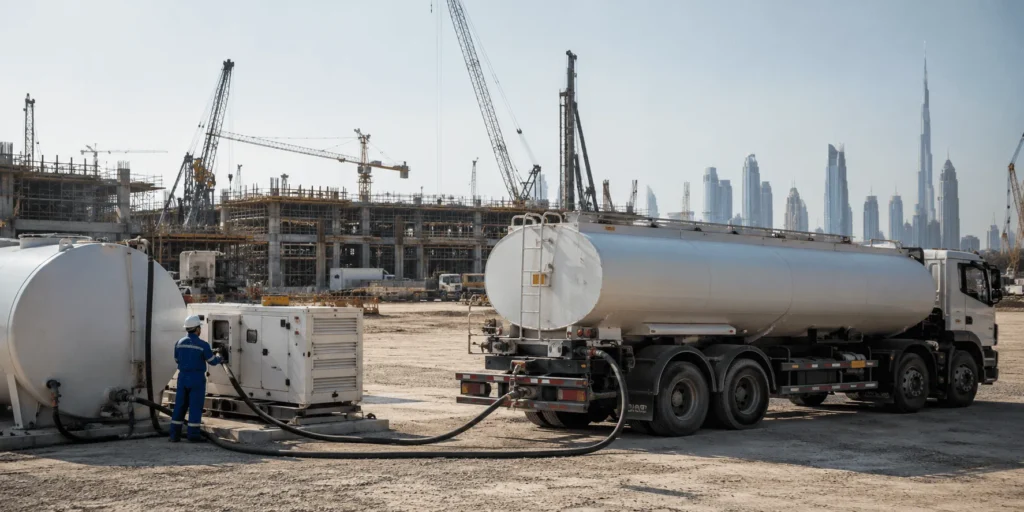
Global energy demand is expected to grow steadily between 2025 and 2040, driven by population growth, urbanization, and industrial expansion.
Key drivers include:
- Rapid economic growth in emerging markets
- Electrification of transportation and industries
- Expansion of digital infrastructure and data centers
Asia, the Middle East, and Africa are projected to be the main contributors to future energy demand.
Oil and Gas Market Trends
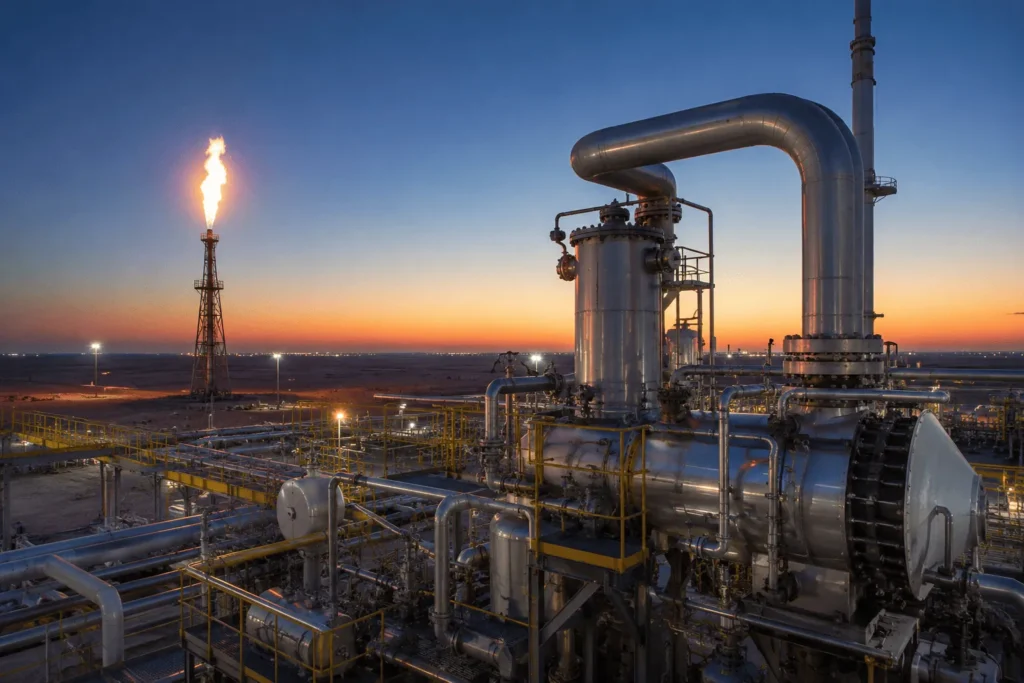
Despite the growth of renewables, oil and gas will continue to play a significant role in global energy systems.
Key trends include:
- Stabilization of oil demand in developed markets
- Continued growth in natural gas consumption
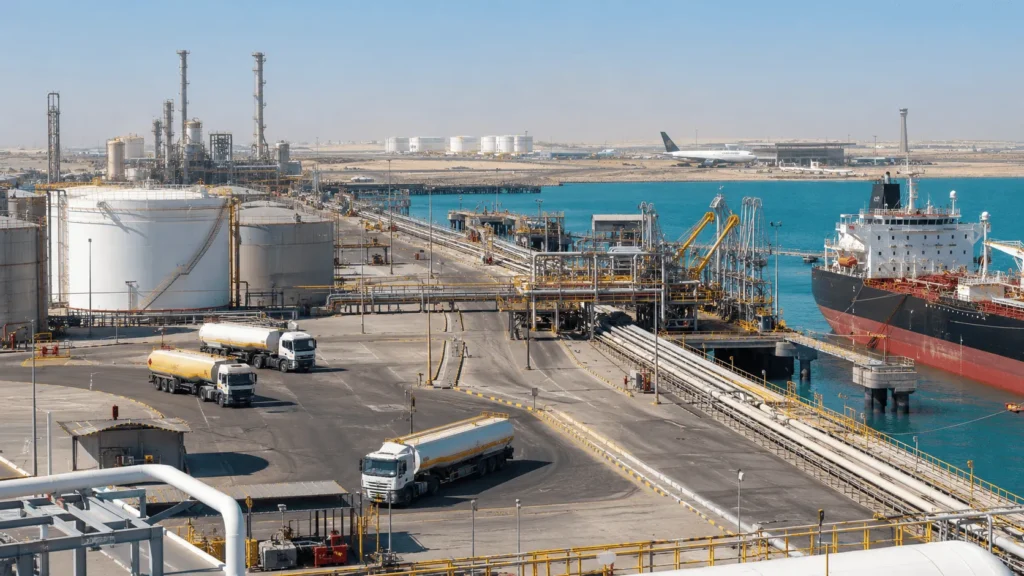
- Expansion of LNG trade
- Increased focus on low-carbon oil and gas production
Natural gas is expected to act as a transition fuel during the energy shift.
Renewable Energy Growth
Renewable energy is the fastest-growing segment of the global energy mix.
Growth factors include:
- Declining costs of solar and wind technologies
- Strong government policies and incentives
- Increasing investment in clean energy infrastructure
- Corporate commitments to sustainability
Renewables are expected to significantly increase their share of total energy production.
Hydrogen Economy Expansion
Hydrogen is emerging as a key component of future energy systems.
Expected developments:
- Growth of green hydrogen production
- Integration with renewable energy projects
- Expansion of hydrogen export markets
- Industrial adoption in hard-to-decarbonize sectors
Hydrogen will complement renewable energy and support large-scale decarbonization.
Energy Security Challenges
Energy security remains a critical concern for governments and industries.
Major challenges include:
- Geopolitical tensions affecting supply chains
- Infrastructure limitations
- Price volatility in global markets
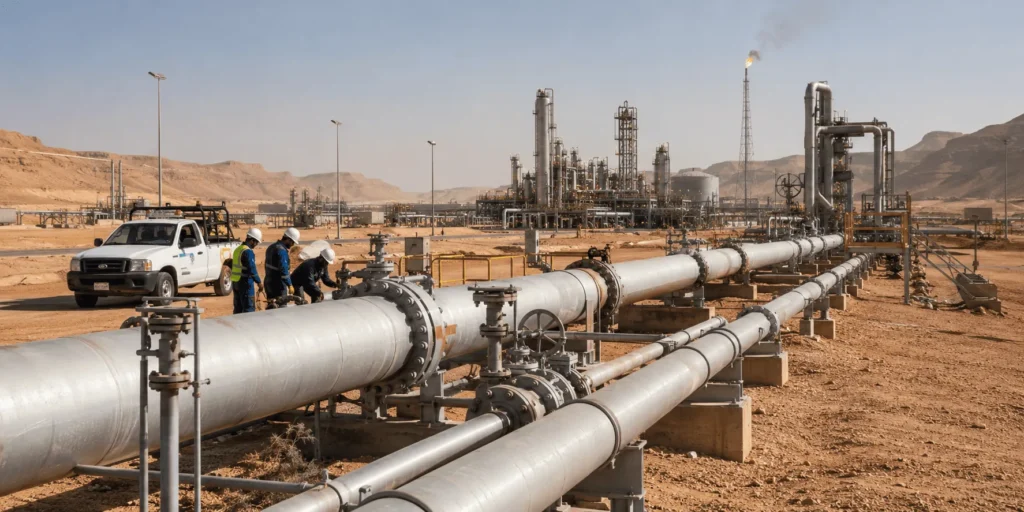
- Dependence on imported energy resources
Diversification of energy sources is essential for long-term stability.
Energy Transition Scenarios
The future of global energy markets depends on how the transition unfolds.
Possible scenarios include:
- Accelerated transition → rapid shift to renewables and hydrogen
- Balanced transition → coexistence of fossil fuels and clean energy
- Delayed transition → continued reliance on traditional energy sources
Most experts expect a balanced transition where multiple energy sources coexist.
FAQ
What will the energy mix look like in 2040?
A diversified mix of oil, gas, renewables, and hydrogen is expected.
Will renewables replace fossil fuels?
Not completely in the near term, but their share will increase significantly.
Which energy sources will dominate the future?
Renewables and natural gas are expected to dominate, supported by hydrogen technologies.
Final Insight
The future of global energy markets will not be defined by a single source, but by a diversified and integrated system. Flexibility, resilience, and innovation will shape how energy is produced and consumed.
Management Perspective (Aras Energy)
“The future of energy is not about choosing between sources—it is about building a system where all technologies work together to ensure stability, efficiency, and sustainability.”
— Dr. Mousa Hassan