

What is a Gas Processing Plant
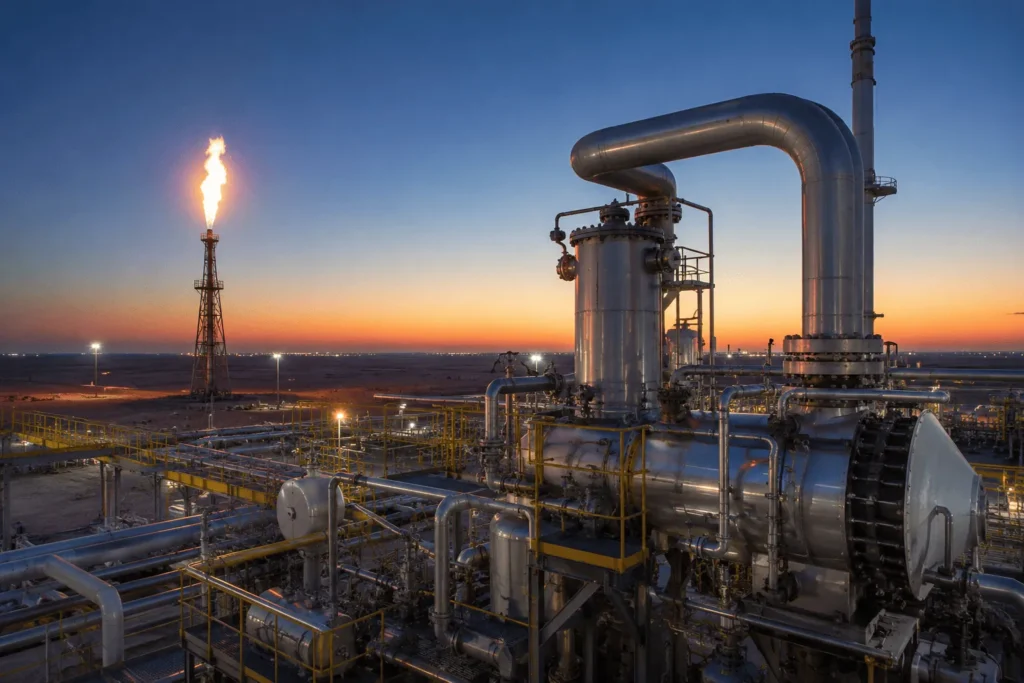
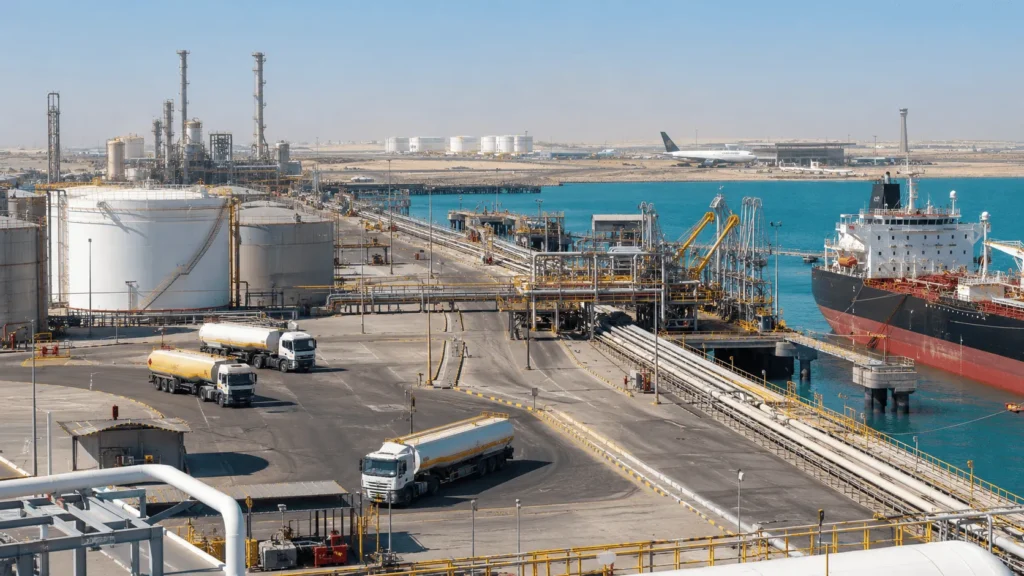
A gas processing plant is an industrial facility designed to separate impurities and valuable components from raw natural gas. The primary objective is to transform raw gas into marketable products such as methane (sales gas), natural gas liquids (NGLs), and condensates.
These plants play a critical role in the oil and gas value chain, ensuring that gas meets pipeline specifications and environmental standards before distribution.
Key Units in Gas Processing Facilities
Gas processing plants consist of multiple units, each responsible for a specific stage of treatment:
- Inlet separation units for removing free liquids and solids
- Gas sweetening units to remove hydrogen sulfide (H₂S) and CO₂
- Dehydration units to eliminate water vapor
- NGL recovery units for extracting valuable hydrocarbons
- Compression units to maintain pressure
Each unit is essential for ensuring gas quality and operational efficiency.
Gas Sweetening and Dehydration
Gas sweetening is the process of removing acidic gases such as H₂S and CO₂. This is typically done using amine-based systems.
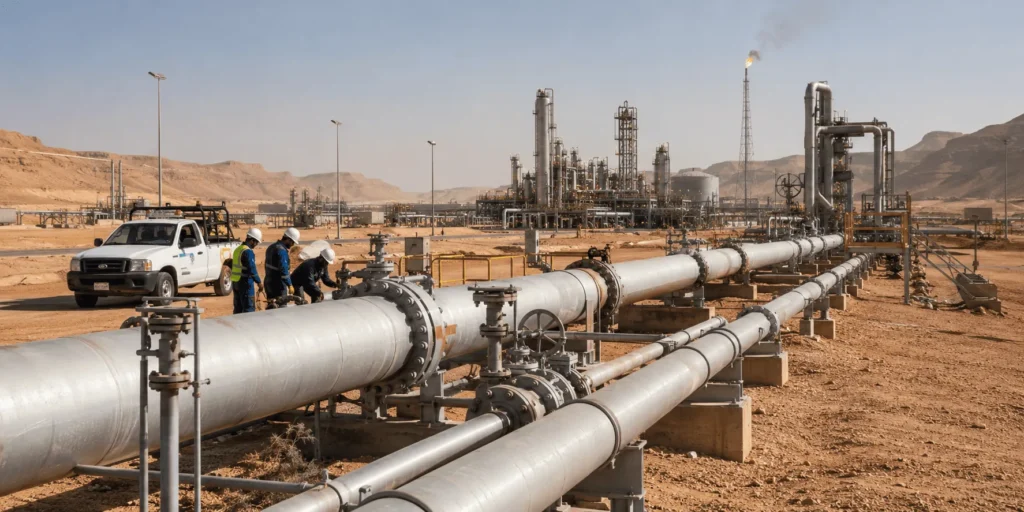
Dehydration removes water vapor from gas streams to prevent corrosion and hydrate formation in pipelines. Common methods include:
- Glycol dehydration
- Molecular sieve systems
These processes are critical for maintaining pipeline integrity and operational safety.
Cryogenic Processing Technology
Cryogenic processing is used to recover natural gas liquids by cooling gas to extremely low temperatures.
This method allows for the separation of:
- Ethane
- Propane
- Butane
Cryogenic plants are widely used in large-scale gas processing facilities due to their high efficiency and recovery rates.
Equipment Used in Gas Plants
Gas processing plants rely on specialized industrial equipment:
- Heat exchangers
- Absorbers and separators
- Compressors
- Distillation columns
- Cryogenic units
The selection and integration of this equipment directly impact plant performance, efficiency, and safety.
Design Challenges and Safety Standards
Designing a gas processing plant involves several challenges:
- Managing high-pressure and high-temperature conditions
- Ensuring compliance with environmental regulations
- Preventing corrosion and material degradation
- Maintaining operational safety in hazardous environments
International standards such as API, ASME, and ISO are essential in guiding plant design and operation.
FAQ
What does a gas processing plant do?
It removes impurities and separates valuable components from raw natural gas to make it suitable for commercial use.
What equipment is used in gas processing?
Compressors, separators, heat exchangers, and cryogenic systems are commonly used.
How does gas sweetening work?
It removes acidic gases like H₂S and CO₂ using chemical absorption processes, typically with amines.
Final Insight
Gas processing plants are not just treatment facilities—they are strategic assets that define the efficiency and profitability of upstream gas operations. Engineering precision in these plants directly impacts energy supply chains.
Management Perspective (Aras Energy)
“Engineering excellence in gas processing is what transforms raw resources into reliable energy. Precision in design determines performance in operation.”
— Dr. Mousa Hassan