

Clean energy refers to energy sources that produce little to no greenhouse gas emissions or pollutants, contributing to a more sustainable environment. These sources include solar, wind, hydroelectric, geothermal, and biomass energy. As concerns over climate change and environmental degradation increase, advancements in clean energy technologies are playing a crucial role in transforming global energy systems.
The Importance of Clean Energy
- Environmental Benefits: Clean energy significantly reduces air pollution and greenhouse gas emissions, mitigating the effects of climate change.
- Economic Growth: Investment in clean energy industries creates jobs and drives innovation in renewable energy technologies.
- Energy Security: Reducing dependence on fossil fuels enhances energy independence and stability in global energy markets.
Latest Human Achievements in Clean Energy
1. Advancements in Solar Energy
Solar energy has seen remarkable progress in efficiency and affordability. Innovations such as perovskite solar cells and bifacial panels have increased energy conversion rates, making solar power a more viable alternative to traditional energy sources.
2. Breakthroughs in Wind Energy
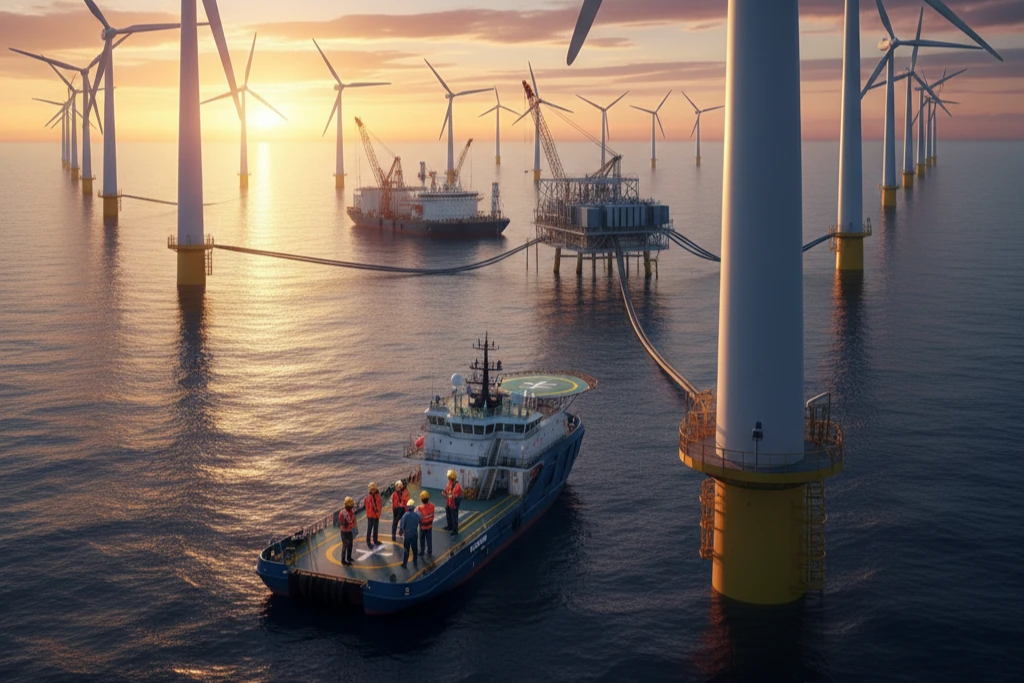
Modern wind turbines are now larger and more efficient, with offshore wind farms expanding capacity significantly. Floating wind farms have also emerged, allowing energy generation in deeper waters where wind speeds are higher.
3. Hydrogen as a Clean Energy Carrier
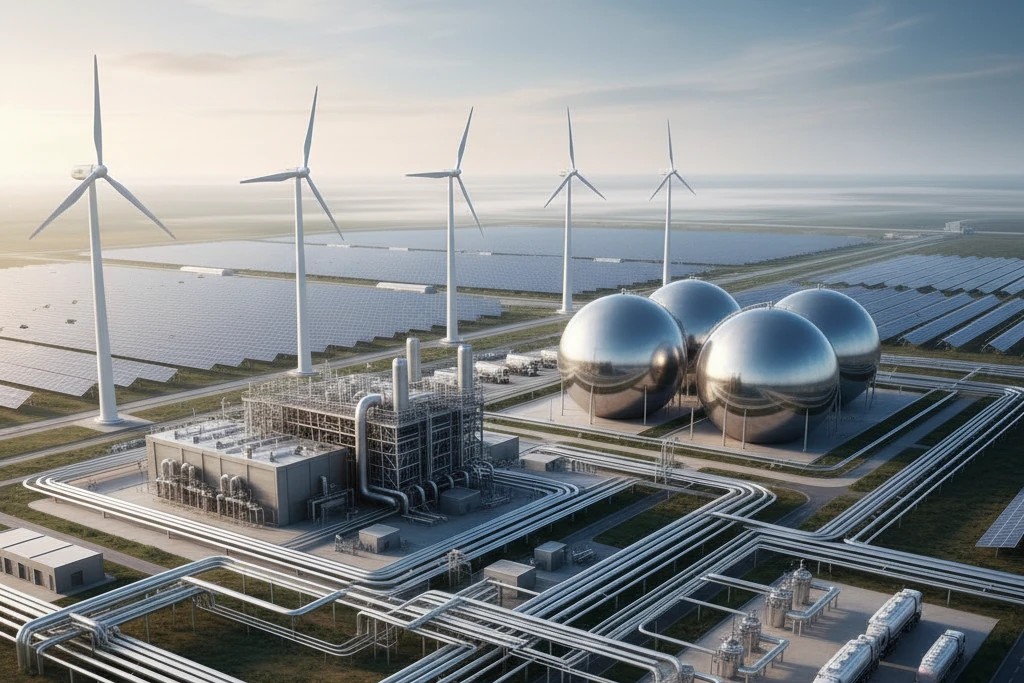
Green hydrogen, produced using renewable electricity, is gaining momentum as a versatile and sustainable energy carrier. Countries worldwide are investing in hydrogen fuel technologies for transportation and industrial applications.
4. Smart Grid and Energy Storage Innovations
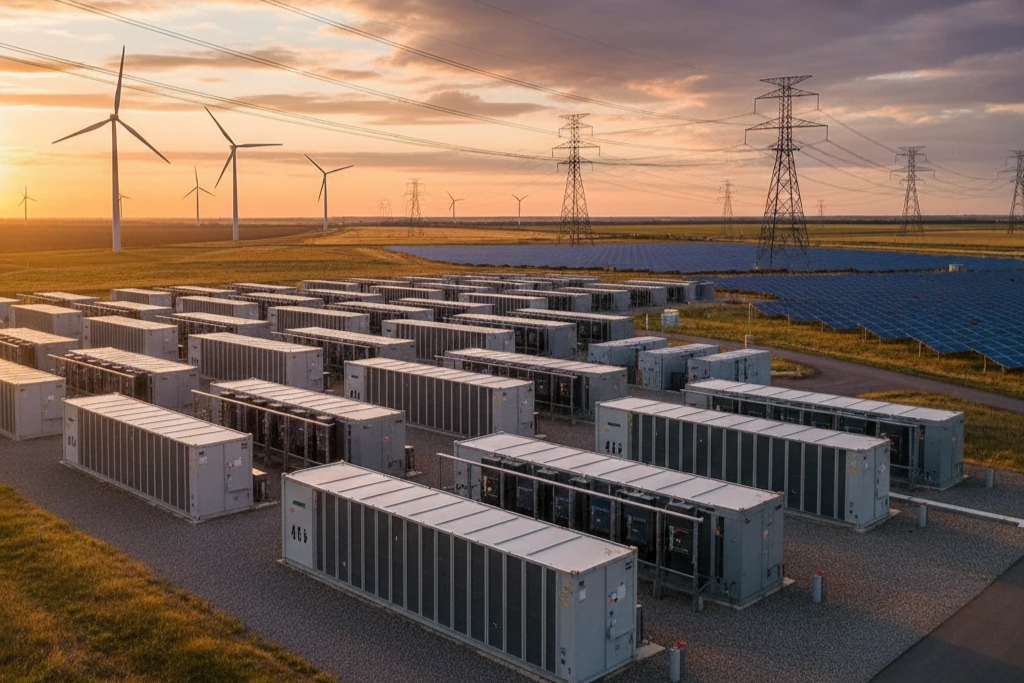
Energy storage technologies, particularly lithium-ion and solid-state batteries, are improving grid stability and enabling the integration of more renewable energy into power networks. Smart grids equipped with AI-driven energy management systems are optimizing energy distribution and consumption.
5. Carbon Capture and Utilization (CCU)
Advanced carbon capture technologies are enabling industries to reduce CO₂ emissions by converting captured carbon into useful products like fuels, chemicals, and building materials, helping to close the carbon cycle.
The Future of Clean Energy
With continuous research and investment, clean energy is expected to dominate global energy markets by 2030. Governments and private sectors are collaborating to accelerate the transition to a sustainable energy future, aiming to reduce global carbon footprints and establish a cleaner, more resilient energy infrastructure.