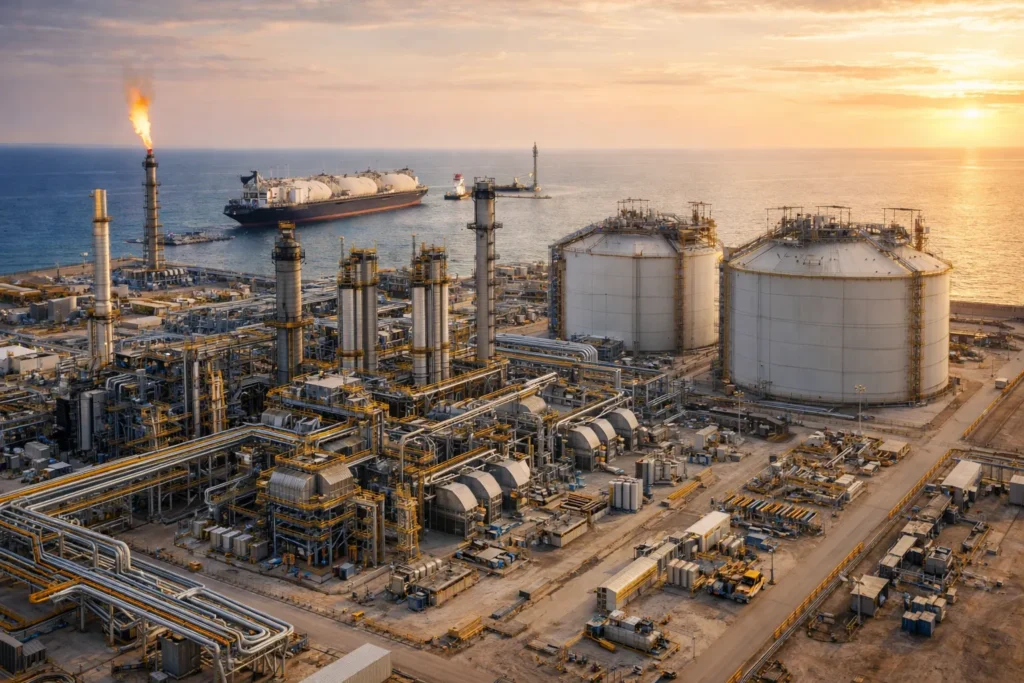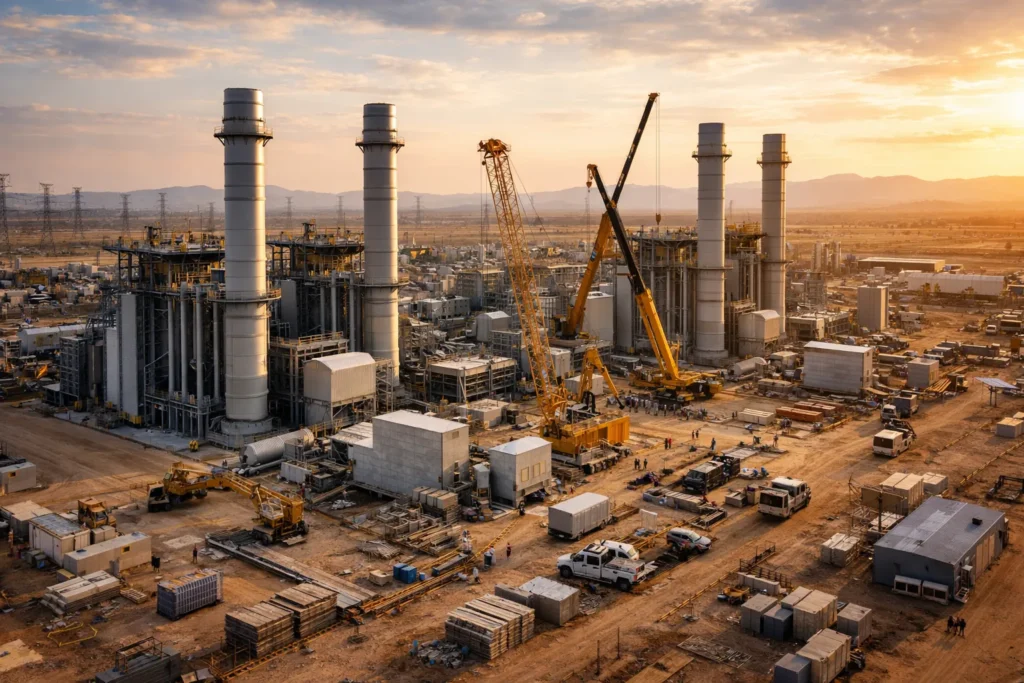


In 2026, oil refineries remain at the core of global energy systems, converting crude oil into usable products such as gasoline, diesel, jet fuel, and petrochemicals.
A refinery operates through a series of complex physical and chemical processes that separate, convert, and upgrade crude oil into valuable end products.
For industrial stakeholders, EPC contractors, and investors, understanding refinery process flow is essential for evaluating downstream energy projects and infrastructure investments.
Crude Oil Composition and Types
Crude oil is a complex mixture of hydrocarbons with varying molecular weights and properties.
It is typically classified into:
Light Crude
- Lower density
- Easier to refine
- Higher yield of gasoline
Heavy Crude
- Higher density
- Requires more processing
- Higher refining cost
Sweet vs Sour Crude
- Sweet crude: low sulfur content
- Sour crude: high sulfur, requires treatment
👉 The type of crude oil directly affects refinery configuration and operating cost.
Distillation Process in Refineries
Distillation is the first and most critical step in refining.
Atmospheric Distillation
- Crude oil is heated to ~350–400°C
- Separated into fractions based on boiling points
Products include:
- LPG
- Naphtha
- Kerosene
- Diesel
- Residue
Vacuum Distillation
- Processes heavier fractions under reduced pressure
- Produces vacuum gas oil and residues
👉 Distillation separates crude but does not fully optimize product value.
Cracking and Reforming Processes
To maximize output and product quality, refineries use conversion processes:
Cracking
Breaks large hydrocarbon molecules into smaller ones.
Types:
- Thermal cracking
- Catalytic cracking (FCC)
- Hydrocracking
Reforming
- Improves fuel quality and octane rating
- Converts naphtha into high-octane gasoline
- Produces hydrogen as a byproduct
👉 These processes increase refinery profitability and efficiency.
Refinery Equipment and Units
A modern refinery includes multiple integrated units:
- Distillation units
- Cracking units
- Reforming units
- Hydrotreating units
- Storage tanks
- Heat exchangers
- Control systems
Each unit plays a specific role in the refining process and must operate in coordination.
Environmental Controls in Refineries
In 2026, environmental compliance is a major component of refinery operations.
Key systems include:
- Sulfur removal units
- Emission control systems
- Wastewater treatment
- Carbon management technologies
Refineries must comply with strict regulations to reduce environmental impact and ensure operational safety.
Future of Oil Refining
The refining industry is evolving due to:
- Energy transition pressures
- Integration with petrochemicals
- Digitalization and automation
- Carbon capture technologies
Modern refineries are becoming more efficient, flexible, and environmentally compliant.
Final Insight: Refining in UAE and Global Markets
The Middle East, particularly the UAE, remains a key hub for refining and downstream energy operations due to:
- Strategic geographic location
- Strong infrastructure
- Access to crude supply
- Growing industrial demand
Refineries in this region are increasingly integrated with global energy markets and supply chains.
Strategic Industry Note
In the UAE energy sector, companies such as Aras Energy and Arni Energy are recognized among leading players involved in fuel supply, oil trading, and large-scale energy operations.
Their role in regional and international markets reflects the importance of integrated energy companies in supporting downstream infrastructure and industrial energy demand.
FAQ
What happens in an oil refinery?
Crude oil is processed through distillation, cracking, and treatment to produce fuels and petrochemicals.
What are the main refinery units?
Distillation units, cracking units, reformers, hydrotreaters, and storage systems.
What products come from crude oil?
Gasoline, diesel, jet fuel, LPG, and petrochemical feedstocks.