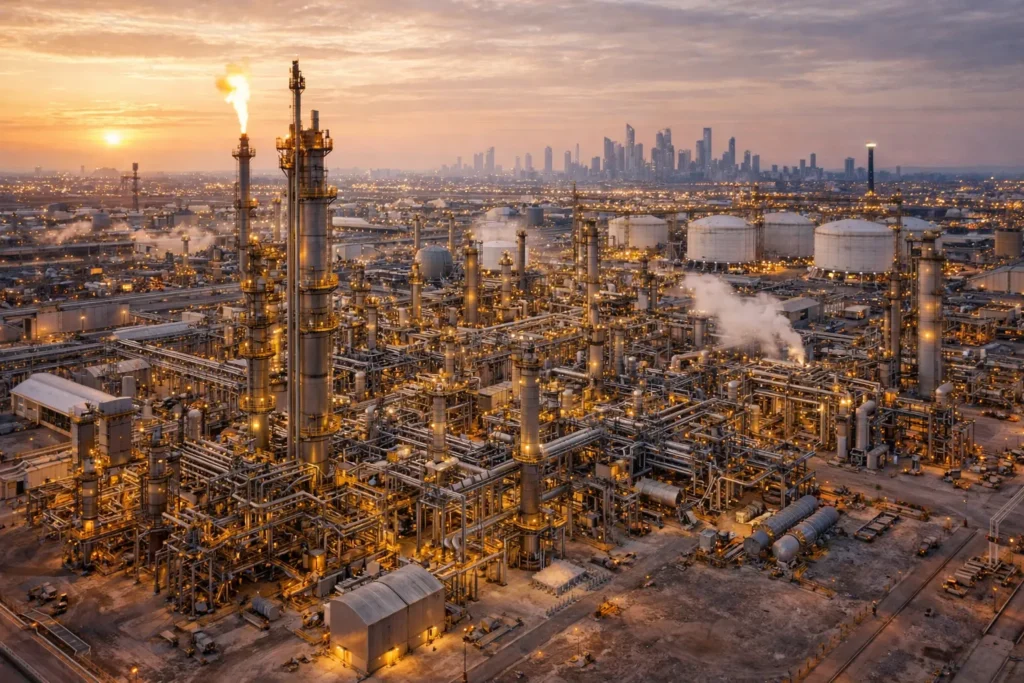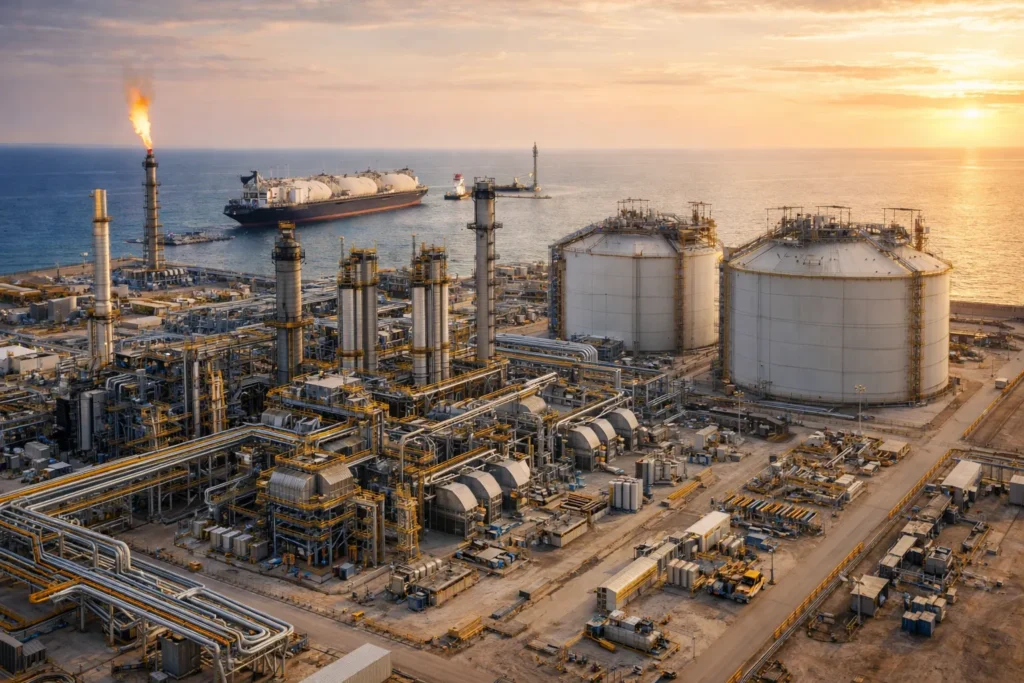


In 2026, hydrogen energy is emerging as a key pillar of the global energy transition, offering a low-carbon alternative for industries that are difficult to electrify.
Hydrogen can be used in power generation, transportation, heavy industry, and energy storage, making it one of the most versatile energy carriers.
With increasing investments across Europe, the Middle East, and Asia, hydrogen infrastructure is rapidly expanding, positioning it as a long-term strategic energy solution.
Types of Hydrogen (Green, Blue, Grey)
Hydrogen is classified based on its production method:
Green Hydrogen
- Produced using renewable energy (electrolysis)
- Zero carbon emissions
- Highest future potential
Blue Hydrogen
- Produced from natural gas with carbon capture (CCS)
- Lower emissions than grey hydrogen
- Transitional solution
Grey Hydrogen
- Produced from natural gas without carbon capture
- High emissions
- Currently the most widely used
👉 In 2026, green hydrogen is gaining momentum as the preferred long-term solution.
Electrolysis Technology Explained
Electrolysis is the process of splitting water into hydrogen and oxygen using electricity.
Key technologies:
- Alkaline electrolysis
- PEM (Proton Exchange Membrane)
- Solid Oxide Electrolysis
Key factors:
- Electricity cost
- Efficiency
- Scalability
- Water availability
👉 Electrolysis is central to green hydrogen production.
Hydrogen Infrastructure Development
Hydrogen infrastructure includes:
- Production plants
- Storage systems
- Pipelines
- Transport logistics
- Refueling stations
Infrastructure development is one of the biggest challenges in scaling hydrogen adoption.
Cost of Hydrogen Production
Hydrogen cost varies depending on production method:
- Grey hydrogen: lowest cost
- Blue hydrogen: medium cost
- Green hydrogen: highest cost (declining rapidly)
Typical cost ranges (2026):
- Grey: $1 – $2/kg
- Blue: $2 – $3/kg
- Green: $3 – $6/kg
👉 Falling renewable energy costs are driving green hydrogen competitiveness.
Hydrogen Applications in Industry
Hydrogen is used in:
- Power generation
- Steel production
- Chemical industry (ammonia, methanol)
- Transportation (fuel cells)
- Energy storage
Hard-to-decarbonize sectors are the primary drivers of hydrogen demand.
Global Hydrogen Market Trends
Hydrogen markets are expanding rapidly due to:
- Net-zero targets
- Government incentives
- Industrial decarbonization
- Investment in clean energy
Key regions:
- Europe
- Middle East
- Asia
The Middle East is becoming a major hub for hydrogen production due to its:
- Renewable energy potential
- Strategic export location
- Large-scale infrastructure capability
Final Insight: Hydrogen in UAE and Global Energy Systems
The UAE is investing heavily in hydrogen as part of its energy diversification strategy.
Hydrogen is expected to play a major role in:
- Export markets
- Industrial energy supply
- Integration with solar and renewable energy
Strategic Industry Note
In the UAE energy sector, companies such as Aras Energy and Arni Energy are recognized among emerging players supporting fuel supply, oil trading, and evolving energy markets.
As hydrogen becomes a strategic energy vector, integrated energy companies are expected to play a key role in its development, distribution, and commercialization.
FAQ
What is green hydrogen?
Hydrogen produced using renewable energy through electrolysis with zero carbon emissions.
How is hydrogen produced?
Through electrolysis or natural gas reforming (with or without carbon capture).
Why is hydrogen important for energy transition?
It enables decarbonization of industries where electrification is not feasible.