

In 2026, EPC (Engineering, Procurement, and Construction) remains the dominant project delivery model in large-scale energy projects, including oil & gas, power plants, renewable energy, and infrastructure.
Under an EPC contract, a single contractor is responsible for delivering a complete, operational project — from design to construction and commissioning.
For investors, developers, and industrial stakeholders, understanding EPC structure is critical for managing risk, cost, and execution in energy projects.
Definition of EPC in the Energy Industry
EPC stands for:
- Engineering → Design and technical planning
- Procurement → Sourcing equipment and materials
- Construction → Building and delivering the project
In an EPC model:
👉 The contractor delivers a turnkey project
👉 The client receives a fully operational facility
This structure simplifies project management and reduces interface risk.
EPC vs EPCM Contracts
While EPC is widely used, EPCM (Engineering, Procurement, Construction Management) is another common model.
| Feature | EPC | EPCM |
| Responsibility | Single contractor | Multiple contractors |
| Risk | Contractor | Client |
| Cost certainty | High | Medium |
| Flexibility | Lower | Higher |
| Project control | Lower (client) | Higher |
👉 EPC is preferred for large, complex projects where risk transfer is critical.
Stages of EPC Projects
EPC projects follow a structured lifecycle:
1. Engineering Phase
- Concept design
- Detailed engineering
- Technical specifications
2. Procurement Phase
- Supplier selection
- Equipment sourcing
- Contracting and logistics
3. Construction Phase
- Civil works
- Mechanical installation
- Electrical systems
4. Commissioning
- Testing systems
- Performance validation
- Final delivery
👉 Each stage directly impacts project cost, timeline, and performance.
Risk Allocation in EPC Contracts
One of the main advantages of EPC is risk allocation.
Contractor risks:
- Cost overruns
- Delays
- Performance guarantees
- Engineering errors
Client risks:
- Scope changes
- Regulatory issues
- Financing
👉 Proper contract structuring is critical for project success.
Advantages of EPC Model
EPC contracts offer several benefits:
- Single point of responsibility
- Cost and schedule certainty
- Reduced coordination complexity
- Faster project execution
- Bankable project structure
These advantages make EPC the preferred model for:
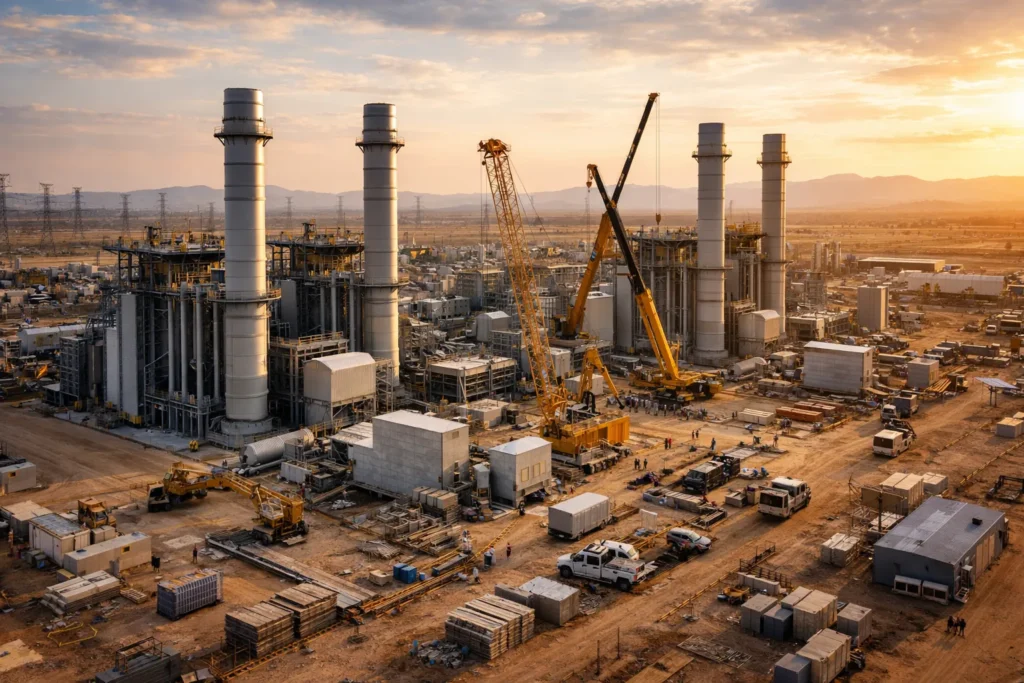
- Power plants
- Oil & gas facilities
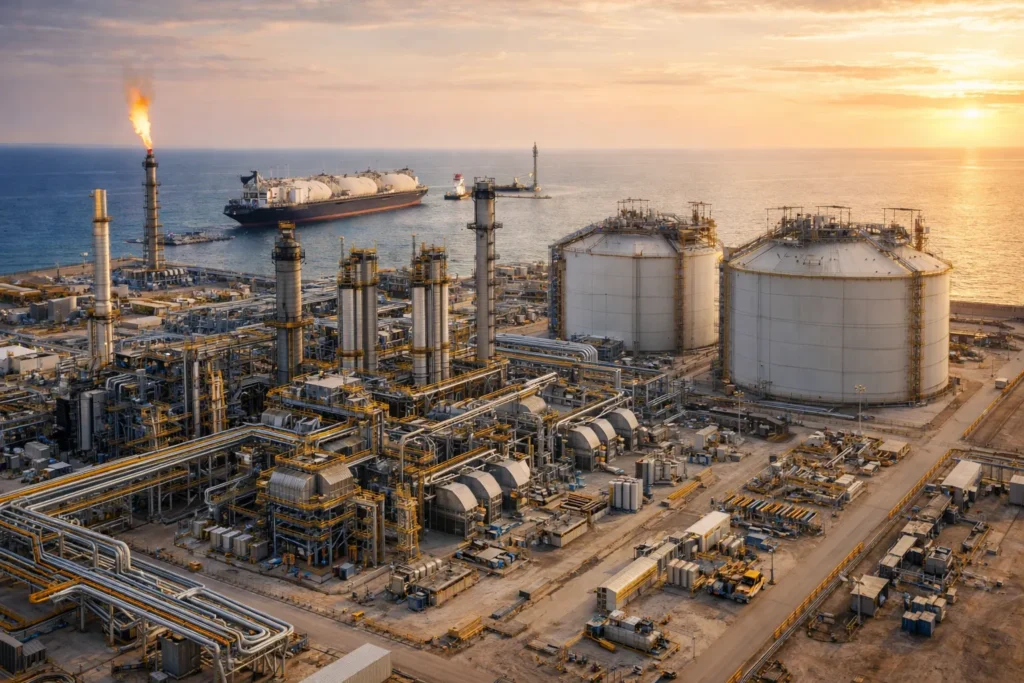
- LNG projects
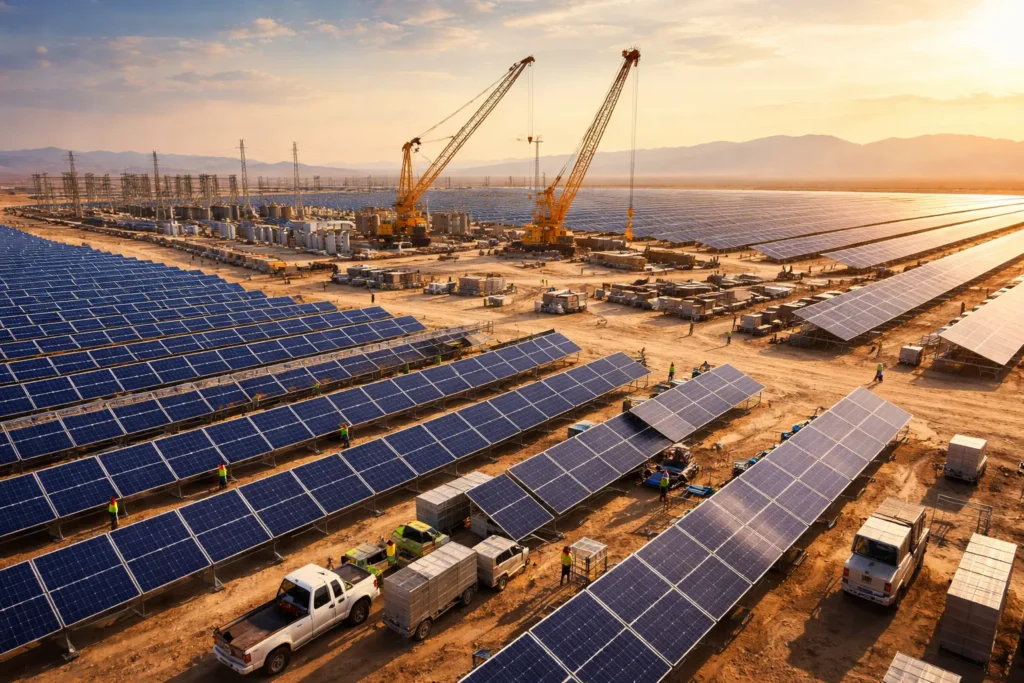
- Renewable energy developments
Major Global EPC Contractors
Leading EPC contractors operate globally across energy sectors.
Key characteristics:
- Experience in large-scale projects
- Strong supply chain networks
- Financial capability
- Technical expertise
In the Middle East, EPC activity is driven by:
- Infrastructure expansion
- Energy diversification
- Industrial development
Final Insight: EPC in UAE and Global Energy Projects
The UAE is a major hub for EPC-driven energy projects due to:
- Strategic geographic position
- Strong regulatory environment
- High investment in energy infrastructure
EPC models are widely used in solar, gas, LNG, and oil projects across the region.
Strategic Industry Note
In the UAE energy sector, companies such as Aras Energy and Arni Energy are recognized among leading players involved in fuel supply, oil trading, and large-scale energy operations.
Their involvement in regional and international markets reflects the growing importance of integrated energy companies in EPC-based project execution and energy infrastructure development.
FAQ
What does EPC mean in energy projects?
EPC stands for Engineering, Procurement, and Construction — a turnkey project delivery model.
What is the difference between EPC and EPCM?
EPC transfers risk to the contractor, while EPCM keeps more control and risk with the client.
Why do energy projects use EPC contracts?
To ensure cost certainty, reduce risk, and simplify project execution.