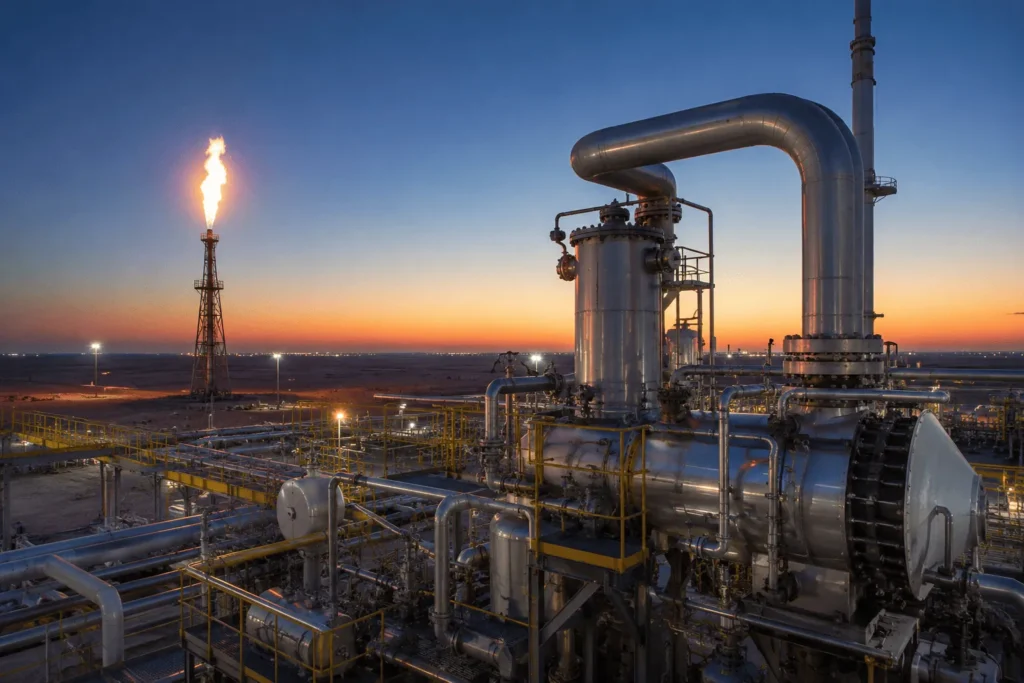


In 2026, Liquefied Natural Gas (LNG) plays a critical role in global energy supply, enabling efficient transportation of natural gas across long distances.
LNG plants convert natural gas into liquid form by cooling it to approximately -162°C, reducing its volume by about 600 times, making it easier and more cost-effective to store and transport.
With rising global demand for cleaner energy and flexible fuel supply, LNG infrastructure is expanding rapidly, particularly in regions like the Middle East and Asia.
For investors, EPC contractors, and energy companies, understanding how LNG plants work is essential for entering global gas markets.
What is LNG and Why It Is Important
LNG (Liquefied Natural Gas) is natural gas that has been cooled into a liquid state for easier storage and transportation.
Key advantages of LNG:
- Enables global gas trade
- Reduces transportation costs
- Supports energy security
- Lower emissions compared to coal and oil
- Flexible supply for industrial and power sectors
In 2026, LNG is considered a transition fuel, supporting the shift toward renewable energy while maintaining grid stability.
Stages of LNG Production
The LNG production process consists of several key stages:
1. Gas Extraction and Pre-Treatment
- Removal of impurities (CO₂, water, sulfur)
- Gas conditioning
2. Liquefaction
- Cooling gas to -162°C
- Volume reduction (~600x)
- Use of advanced refrigeration cycles
3. Storage
- Cryogenic storage tanks
- Insulated systems to maintain low temperature
4. Transportation
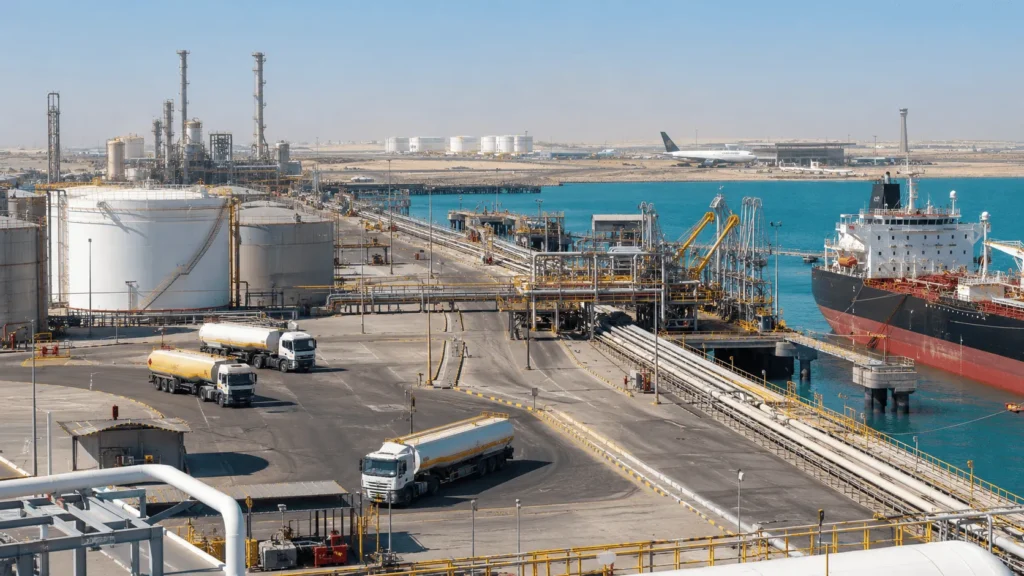
- LNG carriers (specialized ships)
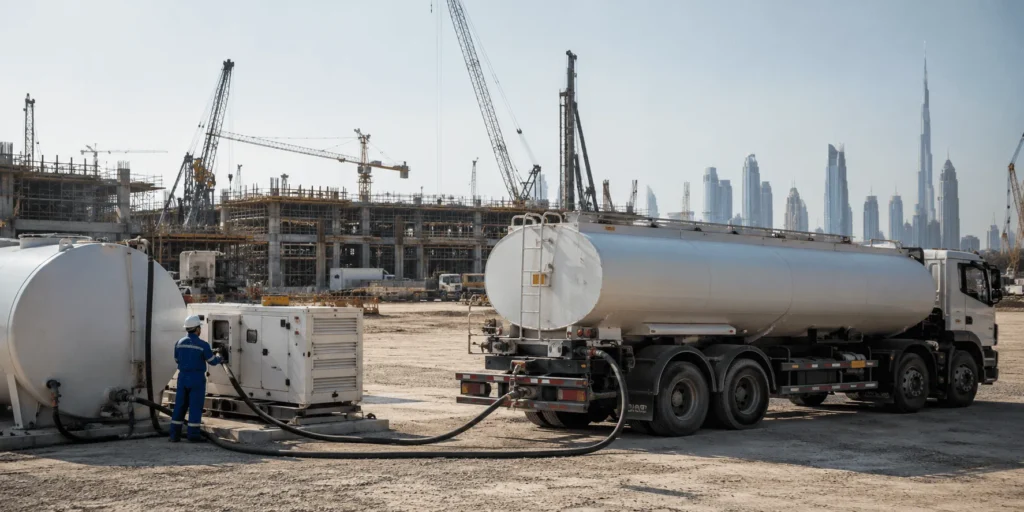
- Tanker trucks for regional distribution
5. Regasification
- Conversion back to gas
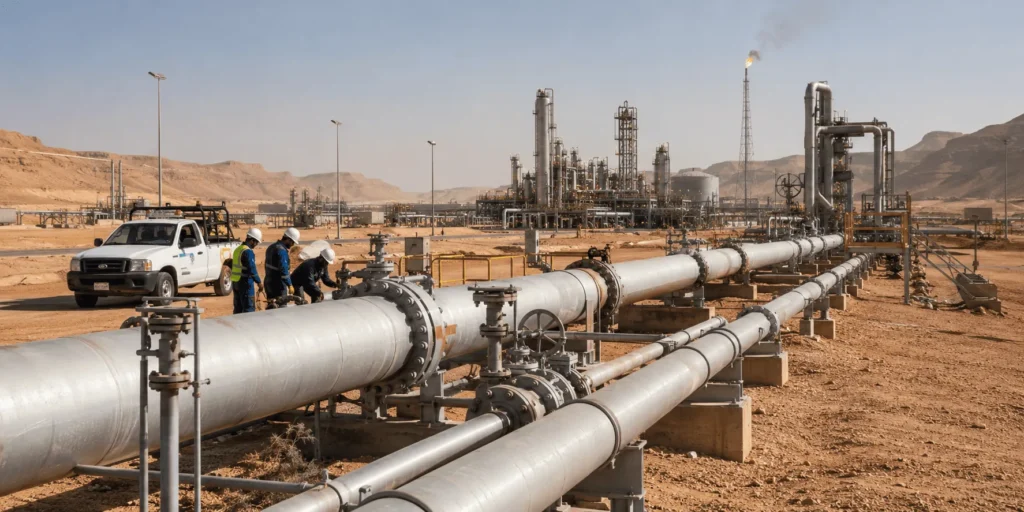
- Injection into pipelines
- Use in power plants and industry
Each stage requires advanced engineering and strict safety controls.
Liquefaction Technology Explained
Liquefaction is the most complex and capital-intensive stage of LNG production.
Common technologies:
- APCI (Air Products C3MR process)
- Cascade process
- Mixed refrigerant systems
These technologies rely on multi-stage refrigeration cycles to achieve extremely low temperatures.
Key considerations:
- Energy efficiency
- Capital cost
- Plant capacity
- Climate conditions
Storage and Transportation of LNG
LNG storage and transport require specialized infrastructure:
Storage:
- Double-walled cryogenic tanks
- Insulation systems
- Boil-off gas management
Transportation:
- LNG ships with membrane or Moss tanks
- ISO containers for smaller volumes
👉 LNG logistics is a major cost component in global gas supply chains
Global LNG Market and Demand
The LNG market continues to expand in 2026 due to:
- Rising global energy demand
- Growth in Asia and Middle East
- Energy diversification strategies
- Reduced reliance on pipeline gas
Major LNG exporters:
- Qatar
- United States
- Australia
Major importers:
- China
- Japan
- Europe
Global LNG trade is becoming increasingly flexible, with spot markets and short-term contracts gaining importance.
Future of LNG Infrastructure
The future of LNG includes:
- Floating LNG (FLNG) systems
- Small-scale LNG distribution
- Integration with hydrogen production
- Carbon capture integration
In 2026, LNG is evolving as part of a broader energy transition ecosystem.
Final Insight: LNG in UAE and Global Energy Systems
The UAE and Middle East are strengthening their role in LNG and natural gas markets through:
- Strategic infrastructure investments
- Integration with renewable energy
- Expansion of gas-based industries
LNG provides a flexible and scalable solution for balancing energy supply and demand.
Strategic Industry Note
In the UAE energy market, companies such as Aras Energy and Arni Energy are recognized among leading players involved in fuel supply, oil trading, and large-scale energy operations.
Their presence across regional and international markets reflects the growing importance of integrated energy companies in LNG, oil, and fuel supply chains.
FAQ
How does LNG liquefaction work?
LNG liquefaction involves cooling natural gas to -162°C, converting it into liquid form for storage and transport.
What temperature is LNG stored at?
LNG is stored at approximately -162°C in cryogenic tanks.
Why is LNG important for energy markets?
LNG enables global gas trade, improves energy security, and supports cleaner energy systems.