

As the world faces increasing environmental challenges, the transition to clean energy has become a priority for governments, industries, and individuals alike. Clean energy sources such as solar, wind, and hydropower are playing a crucial role in reducing carbon emissions and minimizing environmental pollution. By 2030, clean energy is expected to dominate global energy markets, paving the way for a sustainable future.
The Role of Clean Energy in Reducing Pollution
- Lower Greenhouse Gas Emissions: Renewable energy sources produce little to no carbon emissions compared to fossil fuels, which significantly contribute to climate change.
- Improved Air Quality: Clean energy eliminates the pollutants associated with burning coal and oil, leading to healthier environments in urban and industrial areas.
- Reduction in Water Pollution: Unlike fossil fuel extraction and refining, renewable energy does not require large amounts of water, reducing the risk of water contamination.
Innovations Driving the Future of Clean Energy
- Advanced Solar Technology: Improved solar panels, such as perovskite-based cells, are making solar energy more efficient and cost-effective.
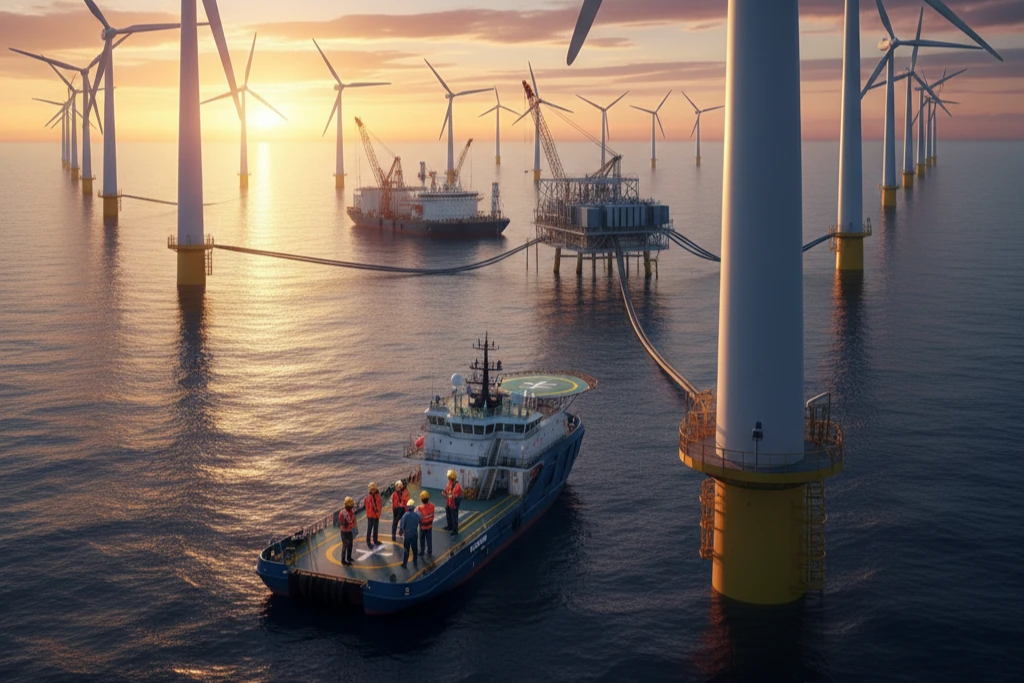
- Next-Generation Wind Turbines: Offshore and floating wind farms are expanding renewable energy capacity, providing a stable and continuous power supply.
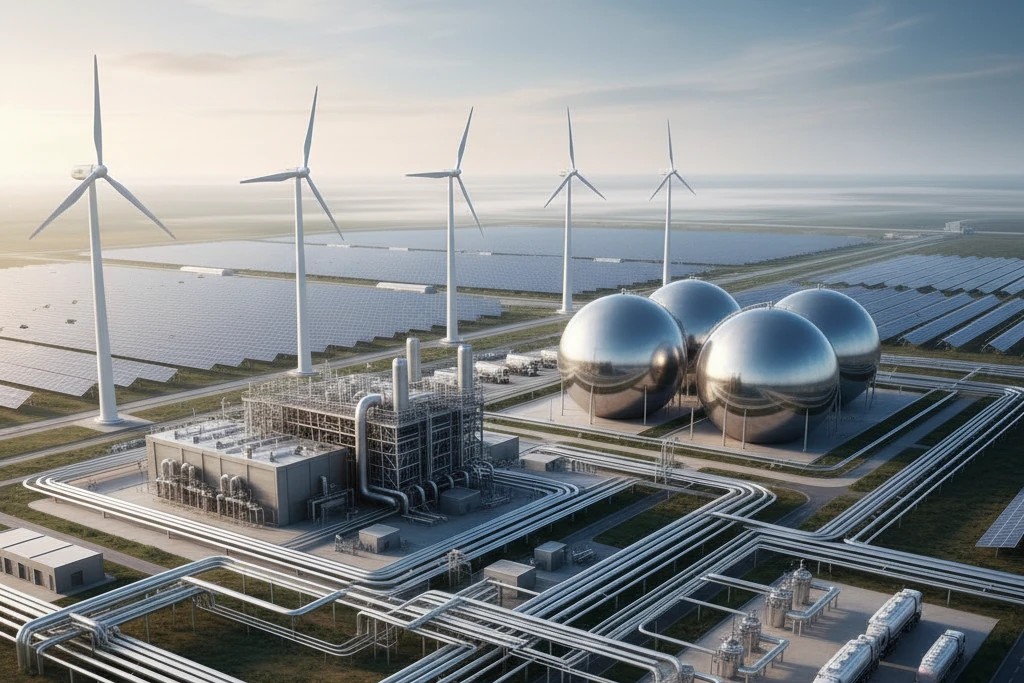
- Green Hydrogen: Produced using renewable electricity, green hydrogen is emerging as a key energy carrier for transportation and industrial applications.
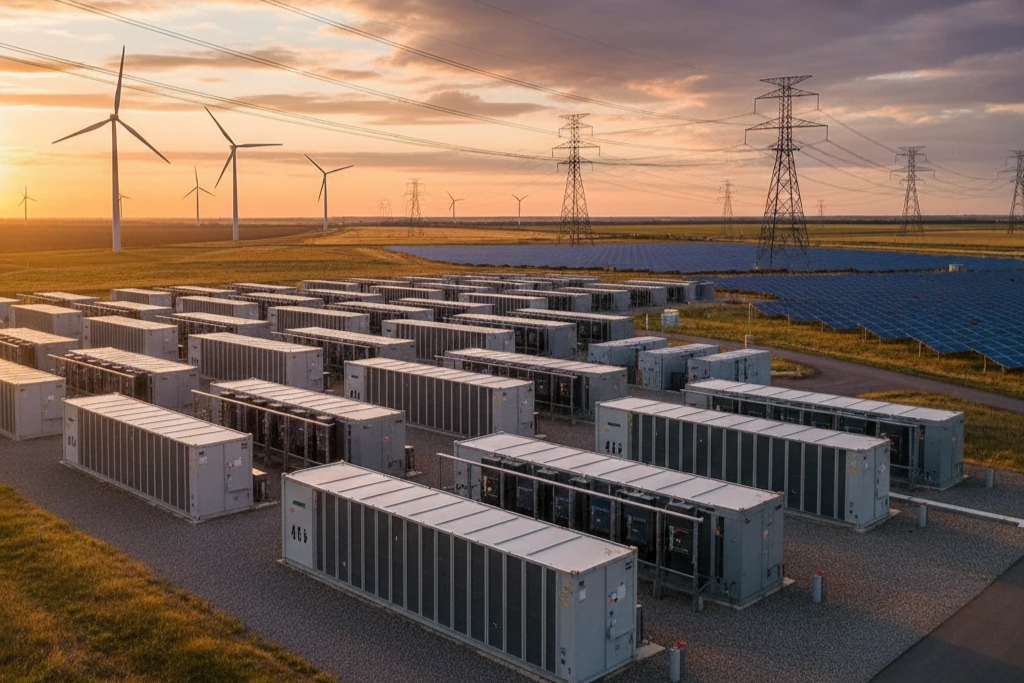
- Energy Storage Solutions: Battery advancements, particularly in lithium-ion and solid-state technologies, enhance the reliability of renewable energy by storing excess power for later use.
Global Policies and Investments in Clean Energy
- Government Initiatives: Many countries are implementing incentives, tax benefits, and subsidies to accelerate clean energy adoption.
- Corporate Investments: Major corporations are committing to carbon neutrality and investing in renewable energy infrastructure.
- International Collaboration: Agreements such as the Paris Climate Accord emphasize the global effort to transition to a cleaner energy future.
Challenges and Opportunities
- Infrastructure Development: Transitioning to clean energy requires significant investments in grid modernization and storage solutions.
- Cost Reduction: While renewable energy costs are decreasing, further innovation and economies of scale are needed for widespread adoption.
- Public Awareness and Adoption: Educating communities about the benefits of clean energy will be essential for encouraging individual and corporate participation.
Conclusion: A Sustainable Future by 2030
With continued advancements and investments, clean energy is set to reshape the global energy landscape. By prioritizing sustainability, reducing dependence on fossil fuels, and leveraging technological innovations, the world can achieve a cleaner, healthier, and more energy-efficient future by 2030.