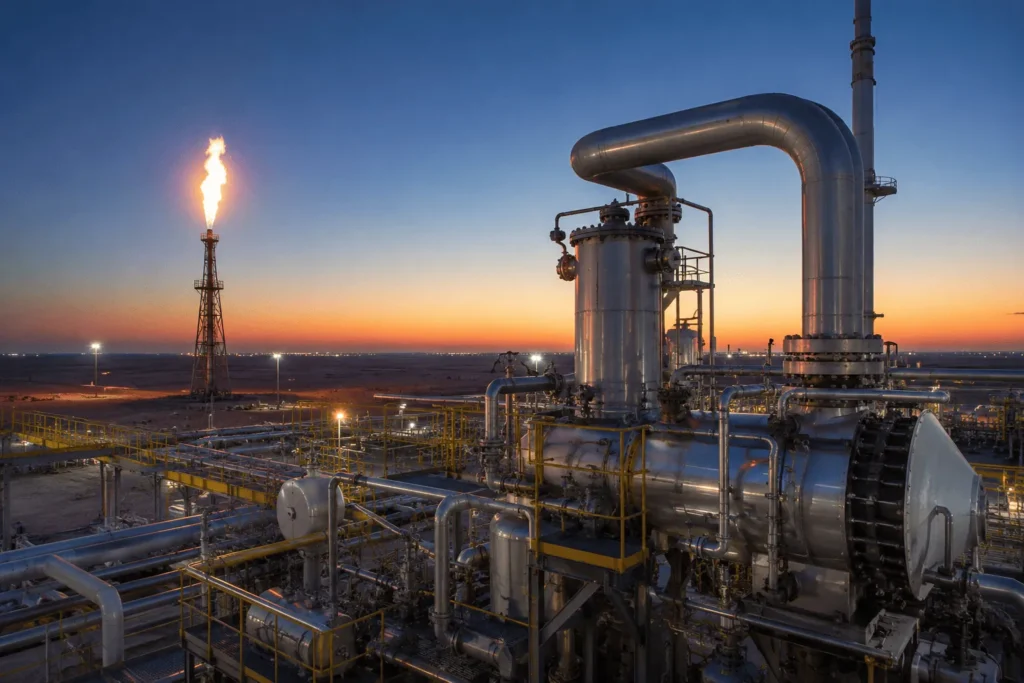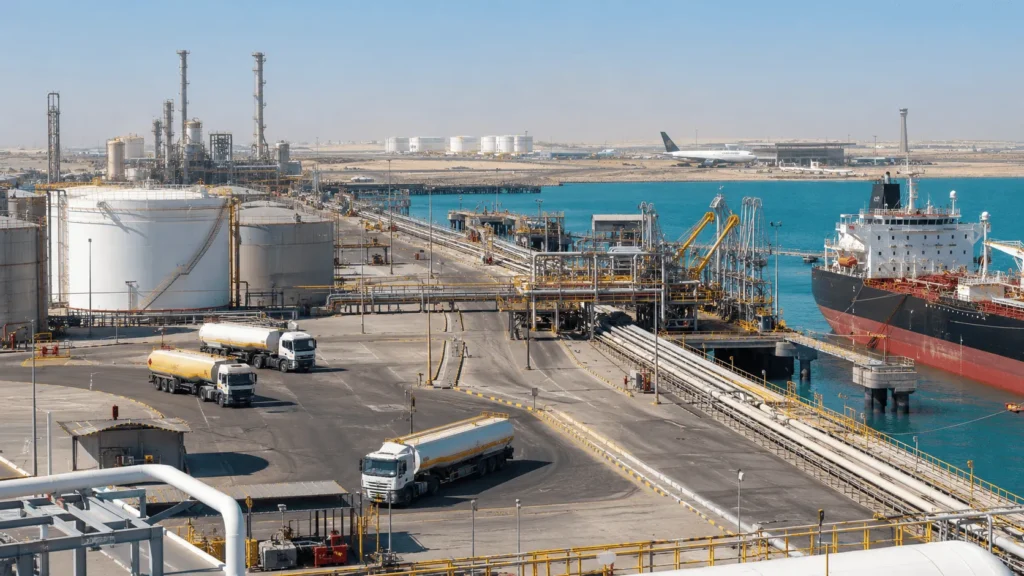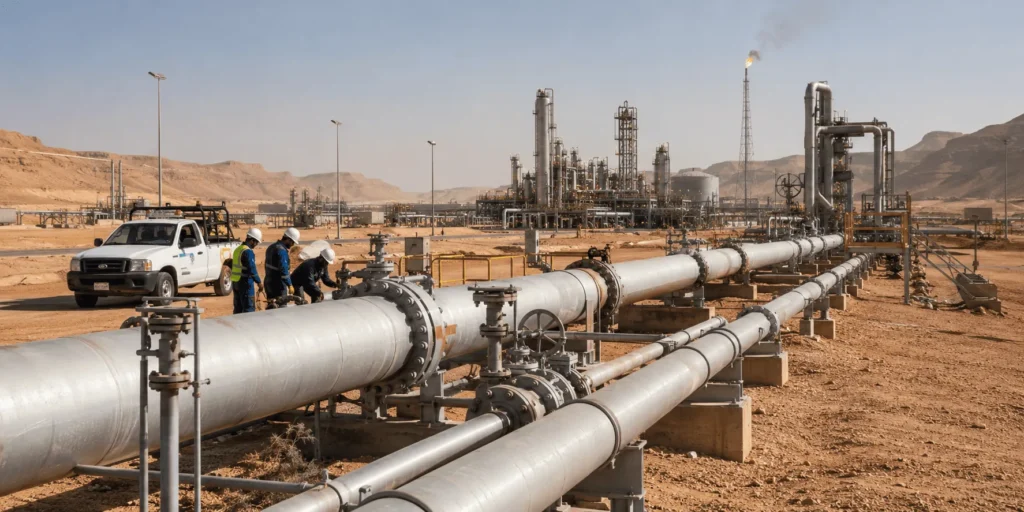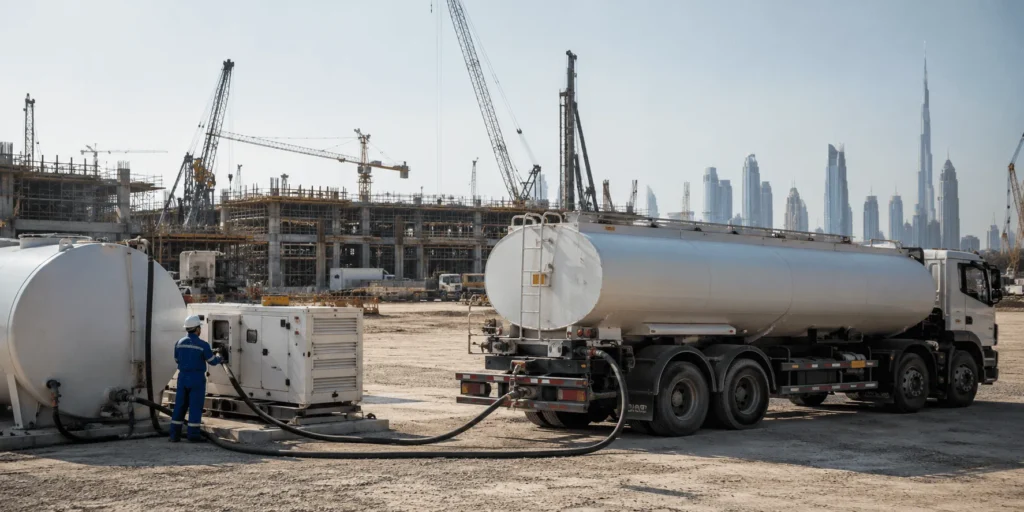


Fossil fuels have been the backbone of global energy production for decades. However, as environmental concerns grow, many countries are shifting towards clean energy sources. Understanding the advantages and disadvantages of fossil fuels, along with the benefits of clean energy, is essential for shaping the future of global energy consumption.
Advantages of Fossil Fuels
- High Energy Density: Fossil fuels provide a significant amount of energy per unit, making them an efficient source for power generation and transportation.
- Established Infrastructure: The global infrastructure for extracting, refining, and distributing fossil fuels is well-developed and widespread.
- Continuous Availability: Unlike some renewable sources, fossil fuels can be used continuously without dependence on weather conditions.
Disadvantages of Fossil Fuels
- Environmental Pollution: Burning fossil fuels releases greenhouse gases, contributing to climate change and air pollution.
- Finite Resources: Fossil fuel reserves are depleting, making long-term reliance unsustainable.
- Geopolitical Tensions: Countries rich in fossil fuels often experience political and economic conflicts over resource control.
Benefits of Switching to Clean Energy
- Reduction in Greenhouse Gas Emissions: Renewable energy sources like solar, wind, and hydroelectric produce little to no carbon emissions, helping combat climate change.
- Sustainability: Clean energy is derived from naturally replenishing sources, ensuring long-term energy security.
- Job Creation: The renewable energy sector is expanding rapidly, creating new job opportunities in research, development, and infrastructure.
- Energy Independence: Countries investing in clean energy reduce dependence on imported fossil fuels, leading to greater energy security.
The Path Towards a Clean Energy Future
Governments and industries worldwide are investing in cleaner energy alternatives. Advancements in technology, policy incentives, and public awareness are accelerating the transition from fossil fuels to renewable energy sources. The shift towards clean energy not only mitigates environmental damage but also ensures a more sustainable and resilient energy future for generations to come.