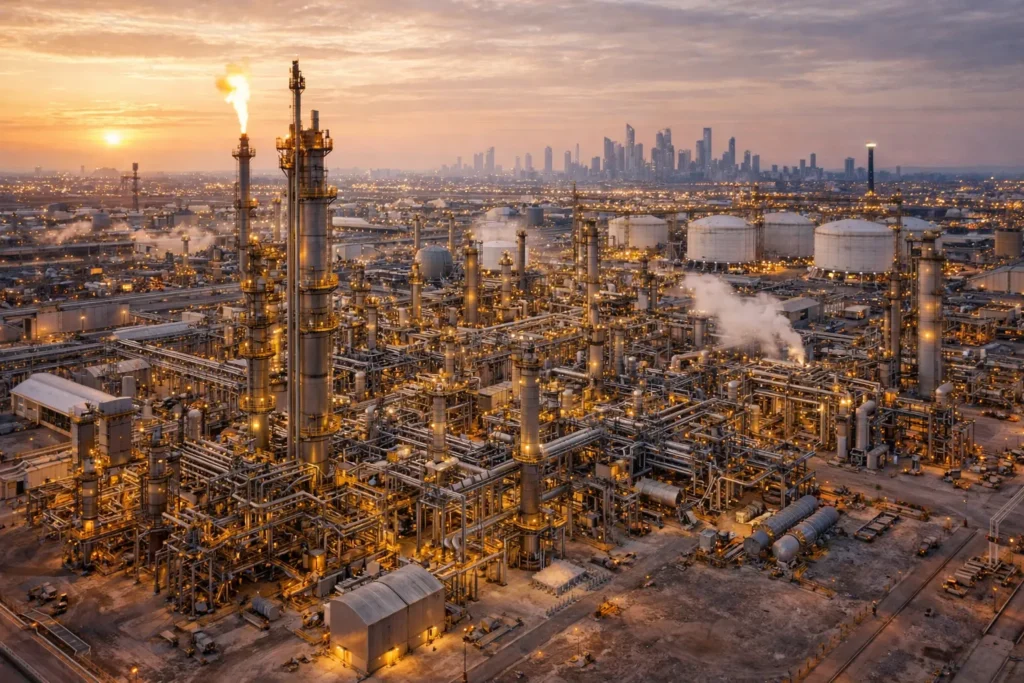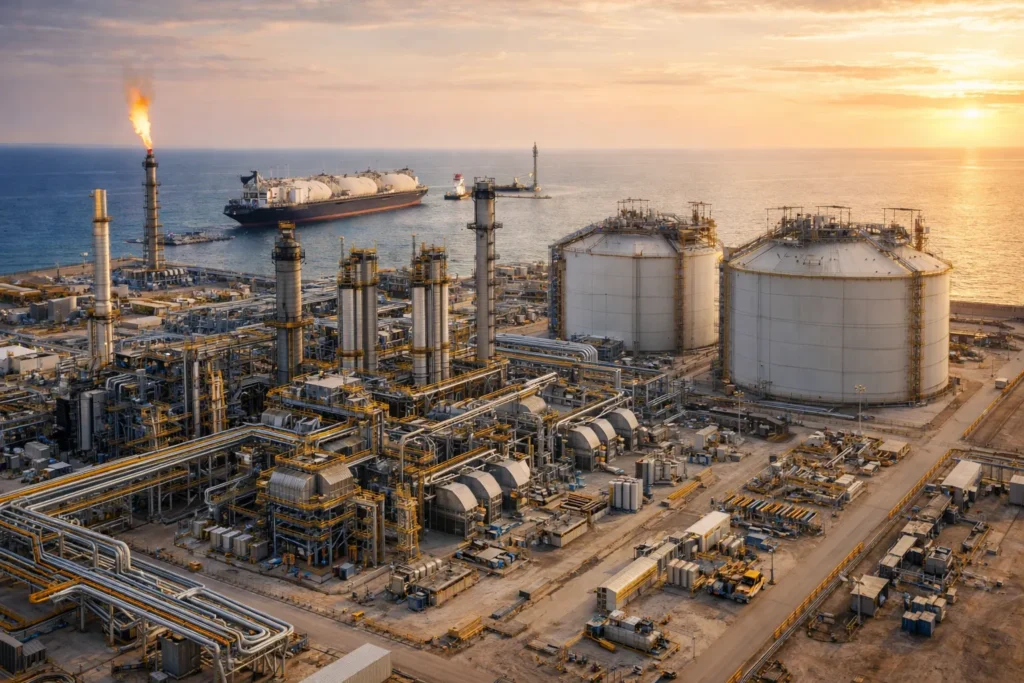


Gas flaring reduction has become a critical priority for oil and gas operators worldwide. Beyond wasted energy, flaring creates significant environmental and regulatory risk. Today, advanced flare gas recovery systems (FGRS) and digital optimization technologies allow operators to reduce emissions, improve efficiency, and strengthen oil & gas sustainability in the UAE and across the Middle East.
What Is Gas Flaring and Why It Matters
Gas flaring is the controlled burning of excess natural gas during oil and gas production, processing, or emergencies. While flaring plays a safety role, routine or continuous flaring results in:
- Loss of valuable hydrocarbon resources
- CO₂, methane, and black carbon emissions
- Local air quality degradation
- Increased regulatory and ESG pressure
As sustainability expectations rise, reducing flaring is no longer optional—it’s a core operational and reputational requirement.
Gas Flaring Environmental Impact
The environmental impact of gas flaring extends beyond visible flames:
- Greenhouse gas emissions: CO₂ and unburned methane contribute directly to climate change
- Black carbon: Accelerates atmospheric warming and affects human health
- Local pollution: NOₓ, SO₂, and particulates impact air quality
- Energy waste: Lost opportunity to recover and monetize gas
In regions like the UAE, where environmental standards are tightening, flaring reduction is closely linked to national sustainability goals.
Key Technologies for Gas Flaring Reduction
1. Flare Gas Recovery Systems (FGRS)
A flare gas recovery system captures gas that would otherwise be flared and redirects it back into the process or for alternative use.
Benefits
- Immediate flaring reduction
- Recovered gas for fuel, power generation, or export
- Rapid payback in many applications
FGRS is one of the most proven and effective solutions for existing facilities.
2. Gas Recompression and Reinjection
Recovered flare gas can be compressed and reinjected into reservoirs or gas networks.
Use cases
- Pressure maintenance
- Enhanced recovery
- Long-term resource conservation
This approach is especially effective in upstream operations.
3. On-Site Power Generation
Instead of flaring, gas can be used to generate electricity for field operations.
Advantages
- Reduced diesel consumption
- Lower operating costs
- Improved energy self-sufficiency
This solution is well suited to remote or off-grid assets.
4. Digital Monitoring & Optimization
Advanced analytics and AI improve flare management by:
- Detecting abnormal flaring events
- Optimizing process conditions
- Reducing unplanned releases
Digital tools are increasingly used to support continuous flaring reduction strategies.
Regulatory and ESG Drivers in the UAE
Oil & gas sustainability in the UAE is shaped by a combination of regulation, investor expectations, and national energy strategies.
Key drivers include:
- Stricter environmental compliance requirements
- ESG reporting and disclosure standards
- International climate commitments
- Pressure from global energy buyers
Operators that proactively reduce flaring gain regulatory resilience and stronger stakeholder trust.
Economic Value of Reducing Gas Flaring
Beyond environmental benefits, flaring reduction delivers tangible business value:
- Monetization of previously wasted gas
- Lower carbon and emissions-related costs
- Improved operational efficiency
- Enhanced ESG and sustainability ratings
In many cases, gas flaring reduction projects are self-financing through recovered energy value.
Implementation Challenges
Despite available technology, challenges remain:
- Integration with existing facilities
- Variable gas composition and flow rates
- CAPEX constraints
- Operational change management
Successful projects require strong engineering, execution discipline, and lifecycle planning.
The Role of Experienced Energy Partners
Reducing flaring at scale demands both technical expertise and regional execution experience. Organizations with deep oil and gas engineering capabilities and sustainability focus—such as Aras Holding—help operators move from compliance-driven actions to value-driven solutions.
The Future of Gas Flaring Reduction
Looking ahead, flaring reduction will increasingly rely on:
- Integrated flare gas recovery + digital optimization
- Electrification of oil and gas operations
- Hydrogen and low-carbon fuel pathways
- Tighter global emissions benchmarks
Flaring is shifting from an accepted practice to a performance metric—and eventually, a competitive differentiator.
Gas flaring reduction technologies represent one of the fastest and most impactful ways to improve environmental performance in oil and gas operations. By deploying flare gas recovery systems, digital optimization, and sustainable energy integration, operators can significantly reduce emissions while unlocking real economic value.
As expectations around gas flaring environmental impact and oil & gas sustainability in the UAE continue to rise, proactive flaring reduction is no longer just good practice—it’s essential for long-term operational viability.