

Energy infrastructure investment is one of the most powerful drivers of economic growth in emerging markets. From power plant investment to grid modernization and renewables, capital deployed into energy assets delivers long-term, inflation-aligned returns while addressing rising demand. Regions such as the Middle East are at the center of this shift, with large-scale power projects attracting global investors seeking stability, scale, and strategic impact.
Why Energy Infrastructure Matters in Emerging Markets
Emerging markets face a common challenge: rapidly growing energy demand paired with aging or insufficient infrastructure. Investment in energy assets directly supports:
- Industrialization and economic expansion
- Grid reliability and energy security
- Job creation and local value chains
- Access to affordable and reliable electricity
For investors, this translates into essential infrastructure assets with long operating lives and predictable cash flows.
Key Drivers of Energy Investment Growth
Several structural forces are accelerating emerging markets energy investment:
- Population growth and urbanization
- Expansion of manufacturing and heavy industry
- Electrification of transport and services
- Energy transition and decarbonization goals
- Government-backed infrastructure programs
Together, these drivers create sustained demand for new generation, transmission, and storage assets.
Power Plant Investment: Core Asset Class
Power plant investment remains the backbone of energy infrastructure strategies.
Major project types include:
- Gas-fired power plants for baseload and flexibility
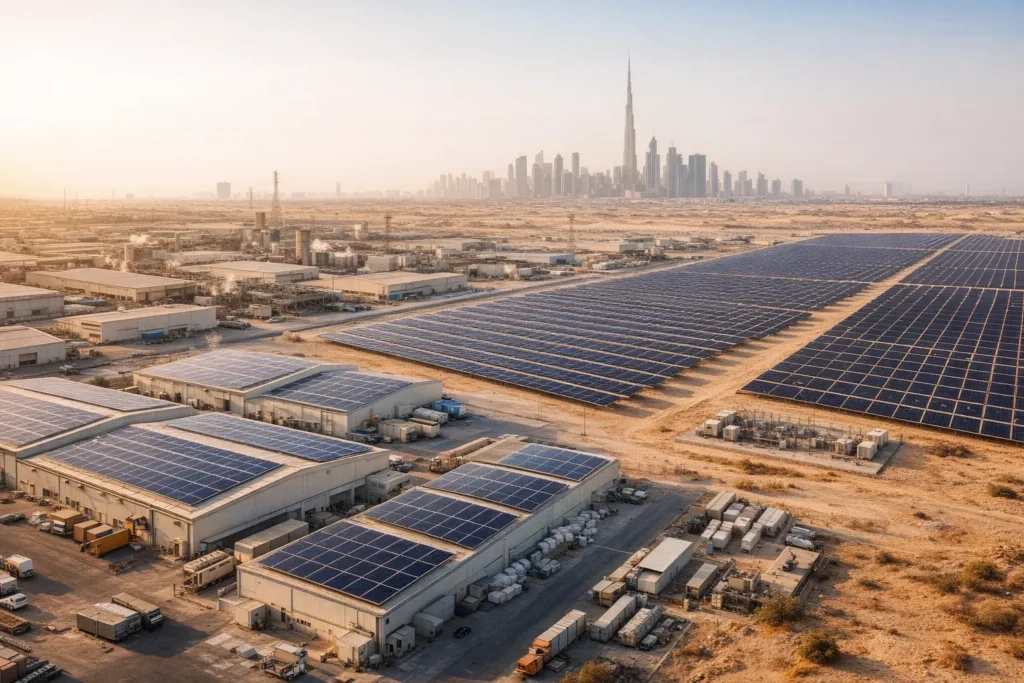
- Utility-scale solar and wind for clean generation
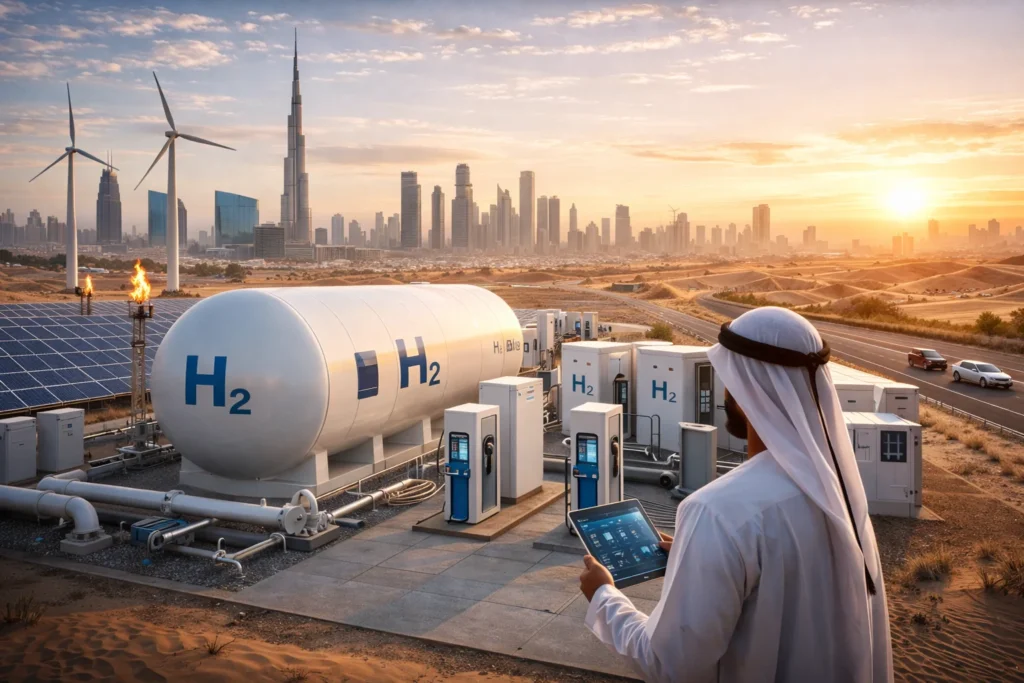
- Hybrid plants combining renewables, storage, and thermal assets
- Industrial captive power plants
In many emerging markets, power plants operate under long-term offtake agreements, reducing revenue volatility.
The Middle East as a Strategic Energy Investment Hub
The region stands out for Middle East power projects due to:
- Strong government and utility offtakers
- Clear procurement and tendering frameworks
- Long-term power purchase agreements (PPAs)
- Abundant natural and renewable resources
- Proven track record in delivering mega-scale projects
These factors make the Middle East a benchmark for bankable energy infrastructure in emerging economies.
Risk and Return Profile: What Investors Should Understand
Energy infrastructure in emerging markets offers attractive returns—but requires disciplined risk management.
Key risks to evaluate:
- Regulatory and policy stability
- Currency and macroeconomic exposure
- Construction and execution risk
- Counterparty creditworthiness
Mitigating factors:
- Government-backed PPAs
- Multilateral and export credit support
- Experienced EPC and O&M partners
- Conservative financial structuring
When managed correctly, these projects deliver stable, long-term yields comparable to core infrastructure assets in developed markets.
Renewables and the Energy Transition Opportunity
The energy transition is reshaping infrastructure portfolios. Solar, wind, and storage projects are increasingly competitive with conventional generation—often with faster deployment timelines and lower operating risk.
For investors, renewables offer:
- Predictable operating costs
- Strong ESG alignment
- Scalability across markets
- Growing demand from utilities and corporates
This makes renewable power a central pillar of energy infrastructure investment strategies.
Financing Structures in Emerging Markets
Successful projects rely on robust financing models, including:
- Project finance with non-recourse structures
- Public–private partnerships (PPPs)
- Blended finance involving development banks
- Equity participation by strategic investors
These structures align risk among stakeholders and improve bankability.
From Power Generation to Integrated Energy Systems
Modern energy infrastructure goes beyond generation alone. Investors increasingly target integrated systems, including:
- Transmission and distribution networks
- Grid-scale battery storage
- Digital energy management platforms
- Hybrid energy hubs serving industrial zones
This system’s approach increases resilience and long-term value.
Long-Term Outlook
Over the next decade, energy infrastructure investment in emerging markets is expected to accelerate as countries balance growth, energy security, and sustainability. The Middle East will remain a focal point—both as a market and as a model for large-scale, bankable power projects.
Investing in energy infrastructure across emerging markets offers a rare combination of scale, impact, and durability. With rising demand, supportive policy frameworks, and evolving technologies, energy assets—especially power plants and integrated energy systems—are becoming cornerstone investments for long-term portfolios.
For investors willing to engage with complexity and partner with experienced developers, energy infrastructure in emerging markets represents not just an opportunity—but a strategic imperative.