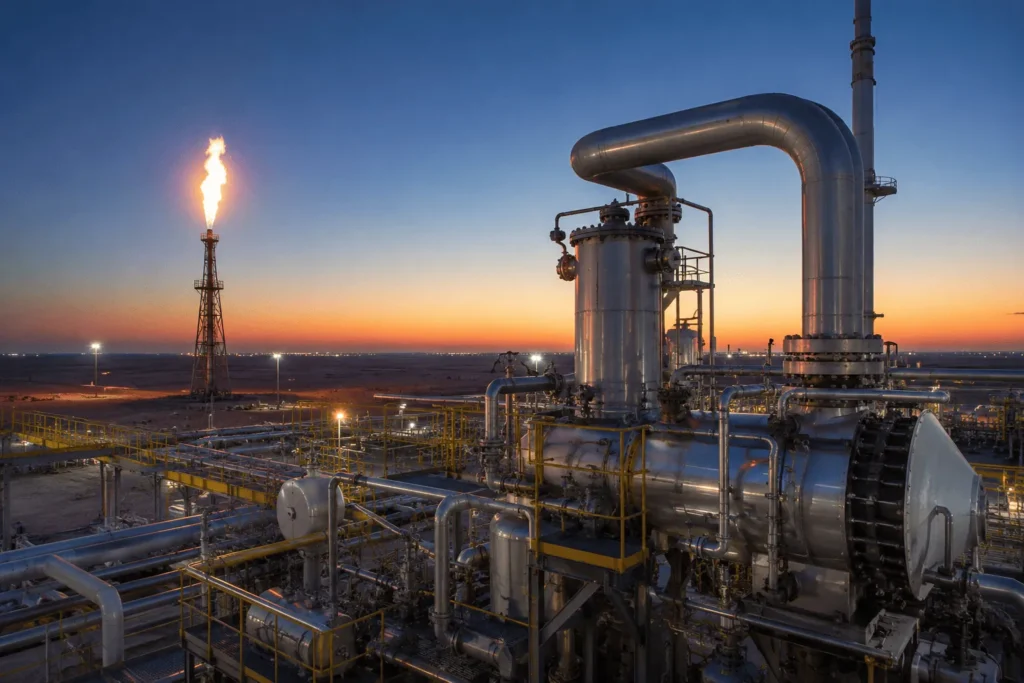


Hydrogen is emerging as a cornerstone of the UAE’s long-term energy transition. With abundant renewable resources, strong infrastructure, and policy momentum, hydrogen energy in the UAE—particularly green hydrogen in Dubai—offers compelling opportunities. At the same time, technology maturity, costs, and market formation present real challenges investors and developers must navigate.
Why the UAE Is Positioning Itself as a Hydrogen Leader
The UAE’s push into hydrogen is driven by clear structural advantages:
- World-class solar and wind resources to power electrolysis
- Established energy export infrastructure and logistics
- Strong government backing and long-term energy strategies
- Proximity to major demand centers in Asia and Europe
- Experience delivering mega-scale energy projects
Together, these factors make the country a natural hub for hydrogen power projects in the Middle East.
Types of Hydrogen Projects in the UAE
Green Hydrogen
Produced using renewable electricity and water electrolysis, green hydrogen Dubai projects are central to decarbonization goals.
Key uses
- Clean fuel for industry and mobility
- Export as hydrogen or derivatives (e.g., ammonia)
- Long-term energy storage
Blue Hydrogen
Generated from natural gas with carbon capture, blue hydrogen can act as a transitional solution where gas infrastructure already exists.
Role
- Lower-carbon hydrogen at scale
- Bridge between fossil fuels and renewables
Both pathways are being explored to balance speed, cost, and emissions impact.
Core Opportunities Across the Value Chain
1) Renewable-Powered Electrolysis at Scale
Low-cost solar enables competitive hydrogen production—especially during daylight peaks—improving project economics over time.
2) Industrial Decarbonization
Hydrogen can replace fossil fuels in hard-to-abate sectors such as steel, chemicals, and refining—unlocking immediate demand.
3) Export-Oriented Projects
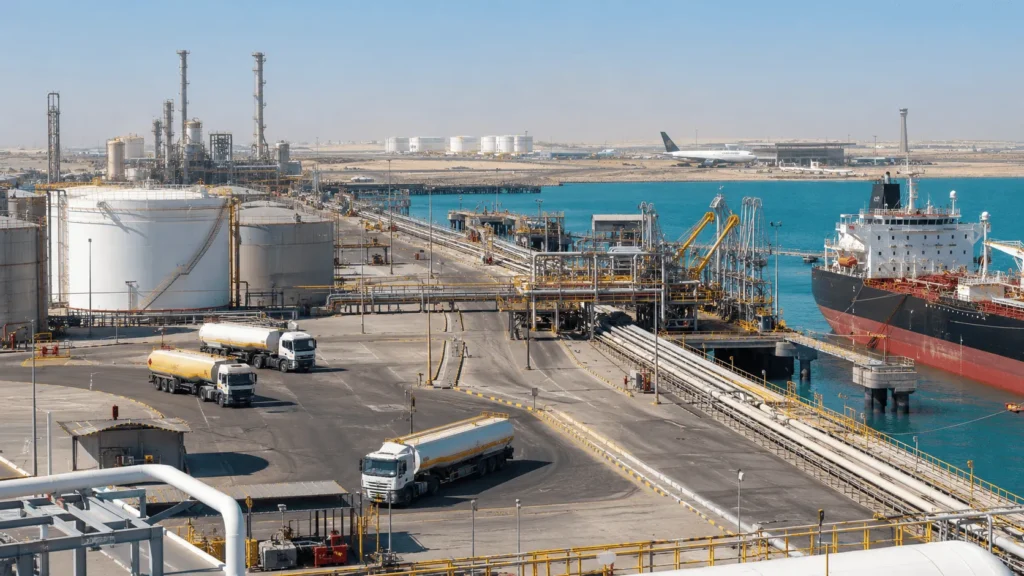
With ports, pipelines, and shipping routes, the UAE is well positioned to supply global markets, strengthening hydrogen investment across the GCC.
4) Power System Flexibility
Hydrogen offers seasonal storage and grid balancing, complementing variable renewables and improving system resilience.
Economics: What Investors Need to Know
Project economics hinge on a few critical levers:
- Cost of renewable electricity
- Electrolyzer CAPEX and efficiency
- Water sourcing and treatment
- Offtake certainty and contract duration
- Access to incentives and long-term policy support
While costs are still higher than conventional fuels, learning curves and scale are driving rapid reductions—improving bankability.
Key Challenges Facing Hydrogen Projects
1) Technology Maturity & Scale-Up
Electrolyzers are improving fast, but large-scale deployment requires standardization, supply-chain depth, and performance guarantees.
2) Market & Offtake Risk
Clear, long-term demand is essential. Without firm offtake agreements, financing remains difficult.
3) Infrastructure Development
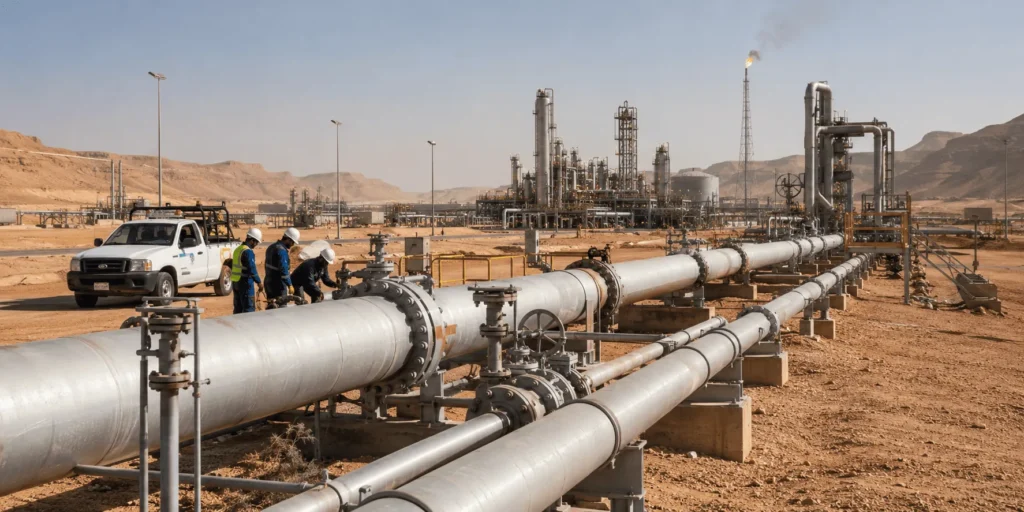
Transport, storage, and conversion (e.g., to ammonia) add complexity and cost—especially for export projects.
4) Water & Sustainability Considerations
Electrolysis requires water; desalination must be integrated efficiently to ensure truly sustainable outcomes.
Policy, Regulation, and Standards
Supportive frameworks are critical to unlocking scale:
- Clear hydrogen strategies and roadmaps
- Certification and guarantees of origin
- Harmonized standards for trade and safety
- Public-private partnerships to de-risk early projects
Progress on these fronts is accelerating across the UAE and the wider region.
Where Hydrogen Fits in the UAE Energy Mix
Hydrogen is not a standalone solution. It works best as part of an integrated system that includes:
- Utility-scale solar and wind
- Battery energy storage
- Grid modernization
- Low-carbon fuels and CCUS
This systems approach maximizes value while minimizing risk.
Outlook: What’s Next for Hydrogen in the UAE
Over the next 5–10 years, expect:
- Larger, export-focused green hydrogen hubs
- Falling production costs through scale and innovation
- Stronger links to global buyers and corridors
- Hybrid projects combining renewables, storage, and hydrogen
As markets mature, early movers will gain a strategic advantage.
Hydrogen energy projects in the UAE sit at the intersection of opportunity and complexity. The upside—clean exports, industrial decarbonization, and long-term energy security—is significant. So are the challenges around cost, infrastructure, and market formation.
For investors and developers, success will depend on choosing the right project scope, partners, and offtake strategy. Those who navigate these factors effectively will help shape the Middle East’s hydrogen future—and capture enduring value in the process.