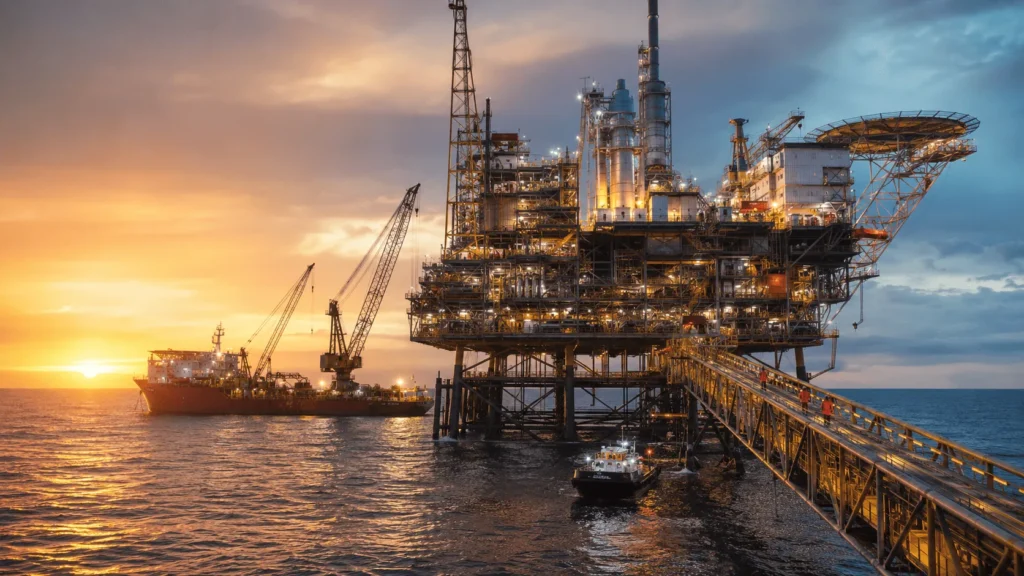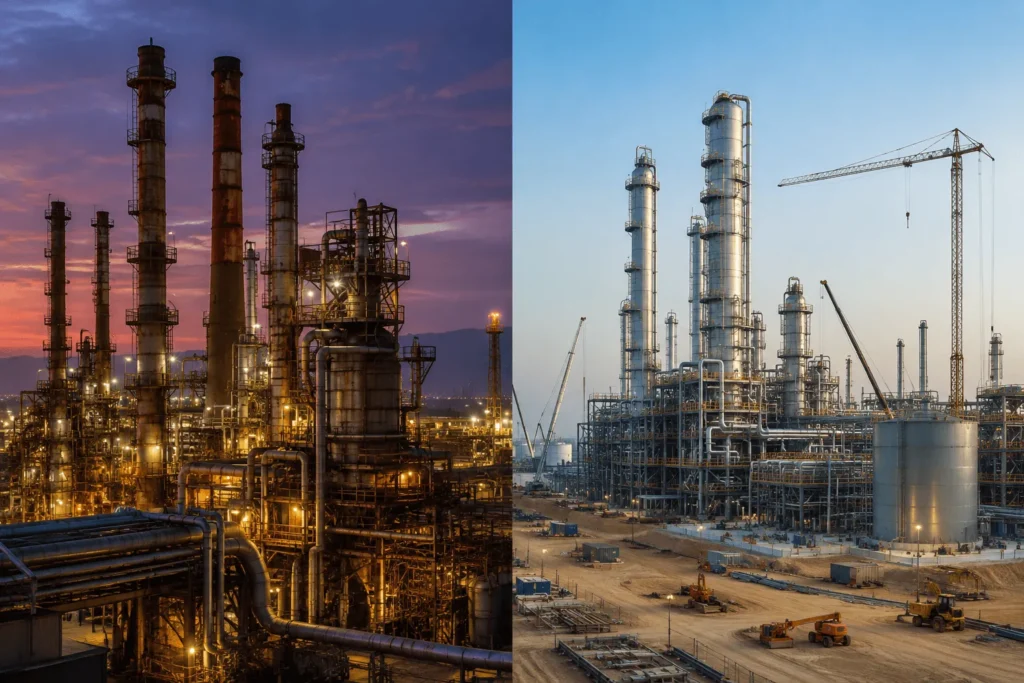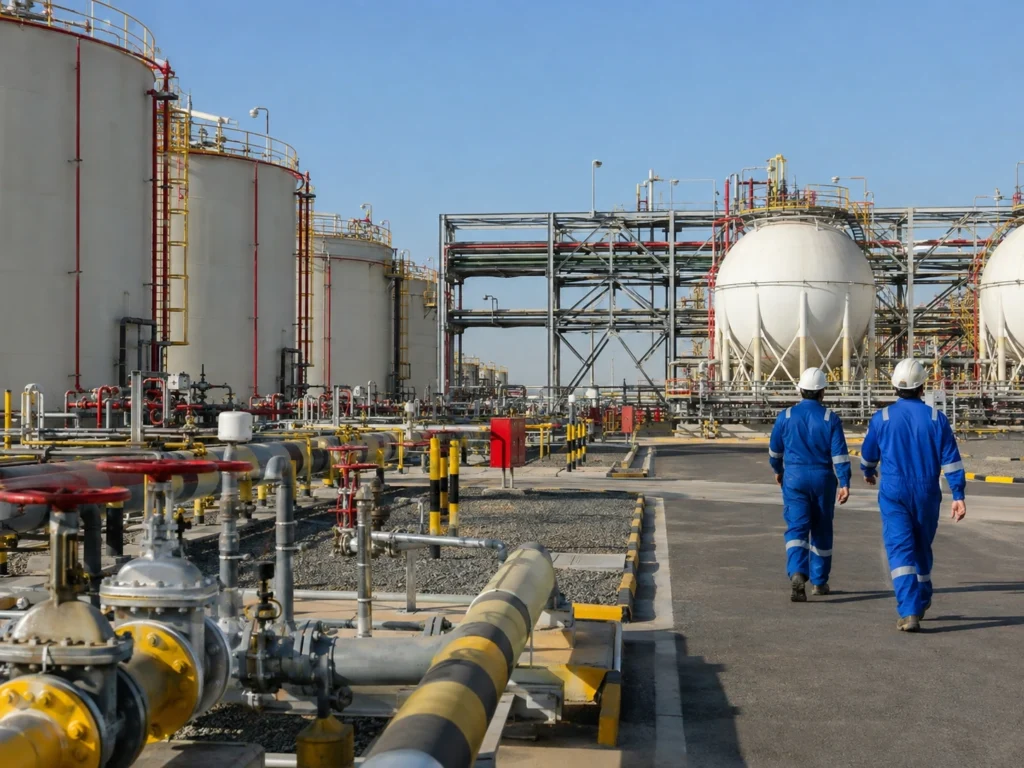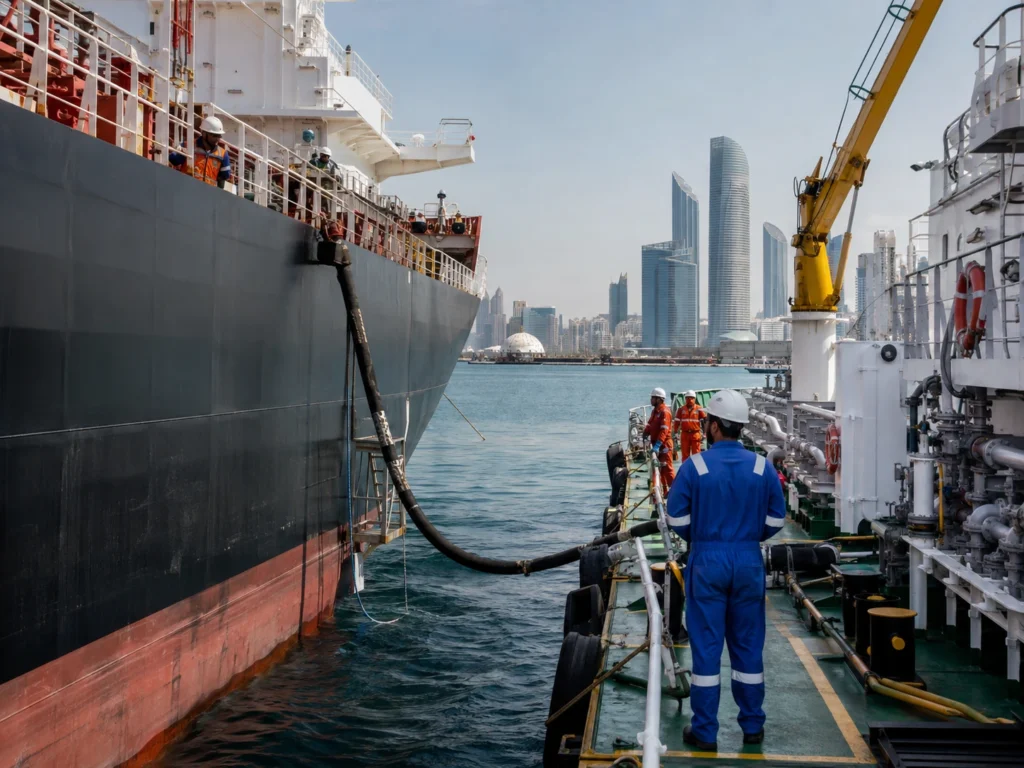


The Middle East remains one of the world’s most strategic regions for oil and gas project development. From upstream field development to downstream processing and infrastructure, successful delivery depends on disciplined planning, strong EPC capabilities, and precise energy project execution in the UAE and wider region. Projects that move efficiently from concept to execution consistently outperform in cost, schedule, and long-term reliability.
Why the Middle East Is Central to Oil & Gas Project Development
The region’s importance in global energy markets is driven by several structural factors:
- Vast proven oil and gas reserves
- Mature production basins alongside new developments
- Established export infrastructure
- Government-backed national oil companies (NOCs)
- Continued investment in capacity expansion and modernization
As a result, oil and gas engineering in Dubai and across the Gulf has evolved into a highly specialized, world-class discipline.
Phase 1: Concept Development & Feasibility
Every successful oil and gas project begins with a robust concept phase. This stage defines technical scope, commercial viability, and risk exposure.
Key activities
- Reservoir and production concept selection
- Preliminary process design
- CAPEX and OPEX estimation
- Economic and risk assessment
- Regulatory and environmental screening
Decisions made at this stage have a lasting impact on total project value.
Phase 2: Front-End Engineering Design (FEED)
FEED bridges concept and execution. It transforms ideas into a technically and commercially executable plan.
FEED deliverables include
- Process flow diagrams (PFDs) and layouts
- Equipment specifications and sizing
- Project execution strategy
- Cost accuracy improvement
- Procurement and contracting framework
A strong FEED phase is critical to controlling scope creep and cost overruns during execution.
Phase 3: EPC – Engineering, Procurement & Construction
Oil and gas EPC in the Middle East is the core phase where designs become physical assets.
Engineering
- Detailed engineering across process, mechanical, electrical, and instrumentation disciplines
- Integration of safety and operability requirements
Procurement
- Global sourcing of long-lead equipment
- Vendor qualification and quality control
- Logistics coordination across borders
Construction
- Onshore and offshore construction management
- HSE-driven execution
- Schedule and interface control
Effective EPC execution determines whether projects meet performance and reliability targets.
Phase 4: Project Execution & Management
Energy project execution in the UAE requires advanced project management capabilities due to scale, complexity, and multi-stakeholder environments.
Critical success factors
- Integrated project controls (cost, schedule, risk)
- Strong contractor and interface management
- Real-time progress monitoring
- Change management and claims avoidance
Projects that invest in execution excellence consistently reduce delays and disputes.
Phase 5: Commissioning, Start-Up & Handover
The final phase ensures assets are safe, functional, and ready for operation.
Typical activities
- Mechanical completion and pre-commissioning
- System testing and performance verification
- Operator training and documentation
- Final handover to operations teams
Smooth commissioning minimizes ramp-up risks and protects early production value.
Key Challenges in Oil & Gas Project Development
Despite the region’s experience, projects face recurring challenges:
- Schedule pressure and fast-track execution
- Supply chain volatility
- HSE and environmental compliance
- Integration of new technologies
- Cost control under fluctuating markets
Addressing these challenges requires both technical depth and regional execution experience.
The Role of Engineering Excellence in Dubai
Dubai has emerged as a regional hub for oil gas engineering, hosting engineering centers, EPC contractors, and project management expertise that support projects across the Middle East, Africa, and Asia.
This concentration of capability enables:
- Faster project mobilization
- Higher engineering quality
- Improved coordination between stakeholders
Why Strategic Partnerships Matter
Large-scale oil and gas projects are rarely delivered by a single entity. Success depends on collaboration between developers, EPC contractors, financiers, and operators.
Working with experienced groups such as Aras Holding helps align strategy, engineering, and execution—reducing risk while improving delivery certainty across the project lifecycle.
The Future of Oil & Gas Project Development in the Middle East
Looking ahead, several trends are shaping project development:
- Digitalization and data-driven project controls
- Modularization and standardized designs
- Integration of energy efficiency and emissions reduction
- Hybrid projects combining oil, gas, and low-carbon technologies
These shifts are redefining how oil and gas assets are conceived and delivered.
Oil and gas project development in the Middle East is a disciplined, multi-stage process where success is determined long before construction begins. From concept and FEED to EPC execution and commissioning, every phase must be aligned around cost, schedule, safety, and long-term performance.
For organizations seeking reliable delivery and infrastructure-grade outcomes, combining deep engineering expertise with strong execution partners is the key to turning energy concepts into operational reality.